How to Choose, Organize, and Care for Everyday Bags and Luggage
A practical guide to selecting, packing, and maintaining bags and luggage, covering materials, organization, cleaning, storage, and simple repairs.
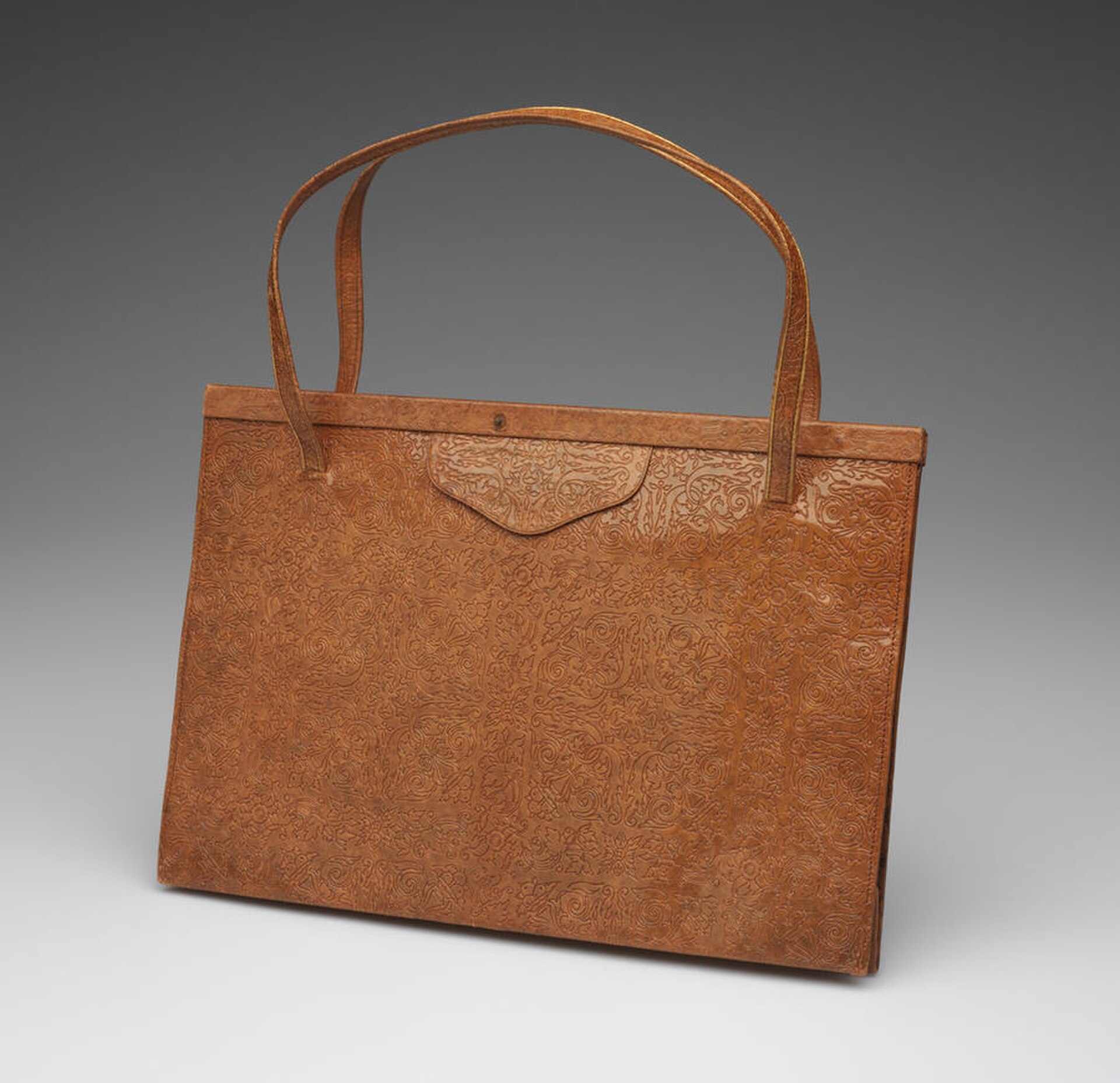
Cover: https://risdmuseum.org/art-design/collection/handbag-199116959 · Wikimedia Commons · CC0
Question: How can I choose, organize, and care for my bags and luggage so they last longer?
Materials and construction: what to look for
Bags and luggage are commonly made from nylon, polyester, canvas, leather, or molded polycarbonate shells. Each material offers a balance of weight, durability, and appearance. Fabric bags are often lighter and more flexible, while hard-sided luggage can provide more rigid protection. When evaluating a bag, inspect the zippers, handles, stitching, and any attachment points, as these are the areas most likely to wear out first. For travel, consider whether the material is water-resistant and how easily it can be wiped clean.
Packing and organizing inside the bag
A well-organized bag not only protects its contents but also makes daily life easier. Use interior pockets, zippered pouches, or packing cubes to group similar items. In everyday bags, keep frequently used objects like keys or a phone in easily accessible compartments. For suitcases, place heavier items near the bottom or close to the wheels, depending on the bag's design, to help with balance. Avoid overstuffing, which can strain zippers and distort the shape of the bag.
Cleaning and everyday care
Regular care keeps bags and luggage looking and performing well. Most fabric bags can be wiped with a damp cloth; check the manufacturer's care label for specific instructions. Leather generally benefits from periodic cleaning and conditioning, but it is important to avoid soaking it or using harsh cleaners. Always allow a bag to dry fully after exposure to moisture. Keep your bags away from direct heat and strong sunlight, which can fade colors and cause materials to crack or become brittle.
Smart storage for long life
Store bags and luggage in a cool, dry place, ideally in a dust cover or a breathable cotton sack. Stuff handbags lightly with tissue paper or cloth to help them keep their shape, and hang or lay them flat rather than piling heavy items on top. For suitcases, store them upright or on their side, and keep them away from damp basements or attics where humidity can cause mildew. Good storage habits are especially important for leather and other natural materials.
Repair rather than replace
When a favorite bag or suitcase starts to show wear, consider a repair before buying a replacement. Zippers can often be realigned or replaced, and handles and wheels are commonly serviced by luggage repair shops. A simple stitch can mend a torn seam, and many leather goods can be professionally cleaned and conditioned. Paying attention to small maintenance tasks early can prevent bigger problems later and extend the life of your items.