
Photos from current listings. Actual item, color, and included accessories may vary.
Baby Boy Jacket Buying Guide
A baby boy jacket is an outer layer sized for infants and toddlers, where the core trade-off is warmth versus safety and ease of use. The decision rule is simple: prioritize flame-resistance standards, secure closures, and breathable insulation over fashion details or oversized fits that compromise car-seat safety.
Insulation Type:Down (550-800 fill) vs Synthetic (80-200 GSM)Waterproof Rating:3,000-10,000mm; taped seams for 5,000mm+Closure Safety:YKK zipper + storm flap + zipper garageCar-Seat Compatible:Thin fleece or removable back panel
Typical price range$12.99
At a glance
- Category
- Kids' & Baby Clothing
- Last updated
- Nov 25, 2026
Current offers
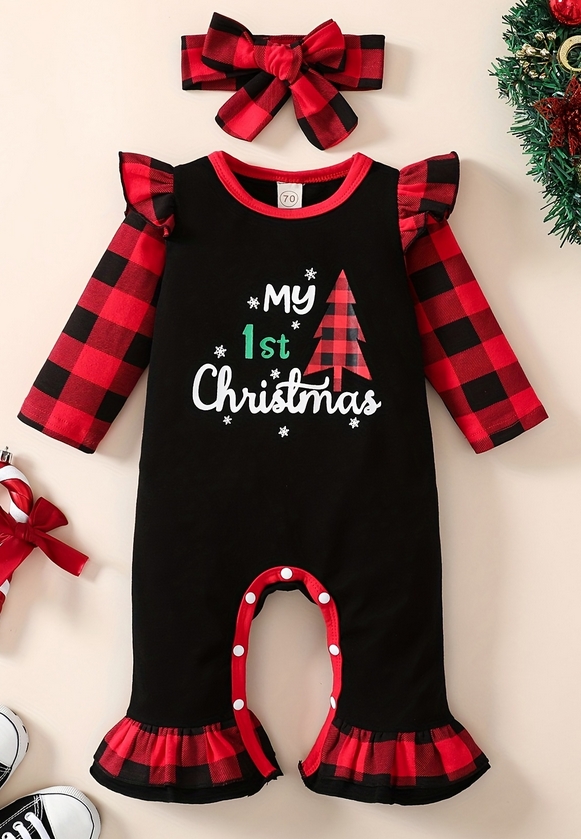 ( 70)Chic Kids Jacket for Babies Girls Boys Chess Autumn Christmas Long Sleeve Clothes Exclusive Headbands (Black,)$12.99View on Mallflare
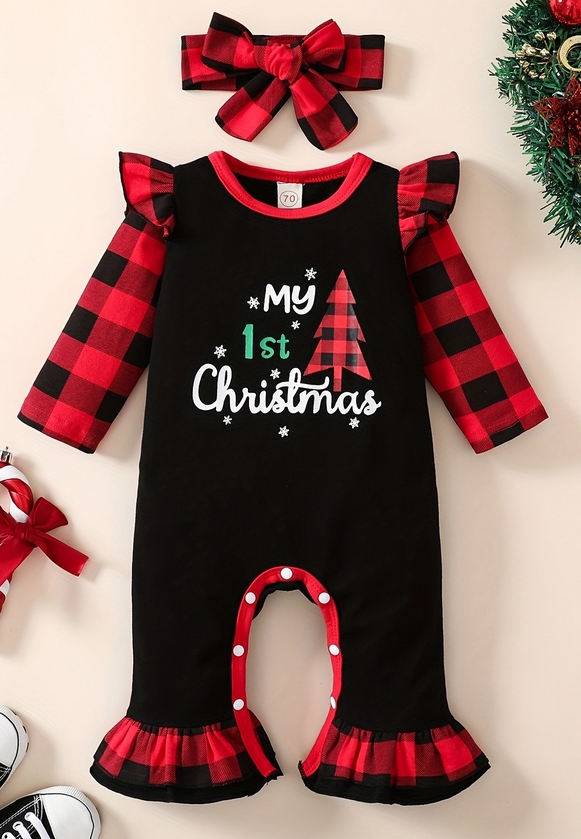 ( 90 )Chic Kids Jacket for Babies Girls Boys Chess Autumn Christmas Long Sleeve Clothes Exclusive Headbands (Black,)$12.99View on Mallflare
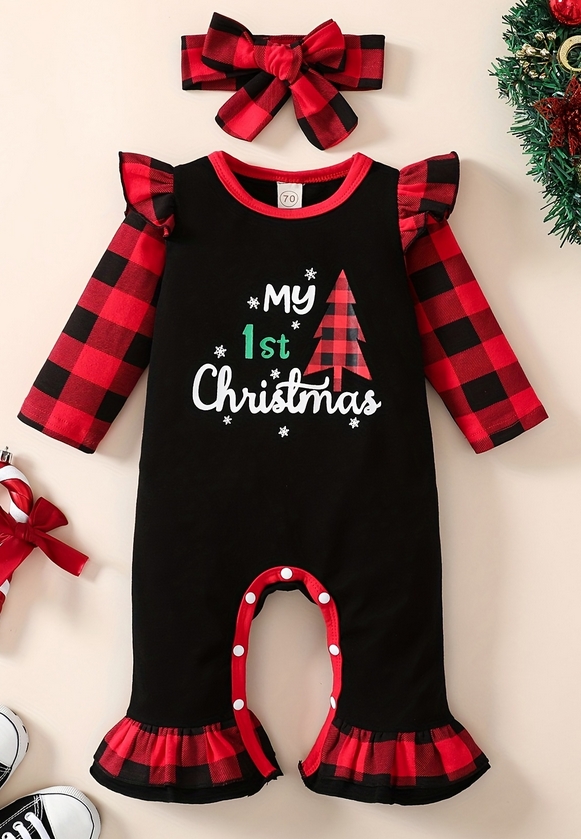 ( 80 )Chic Kids Jacket for Babies Girls Boys Chess Autumn Christmas Long Sleeve Clothes Exclusive Headbands (Black,)$12.99View on Mallflare
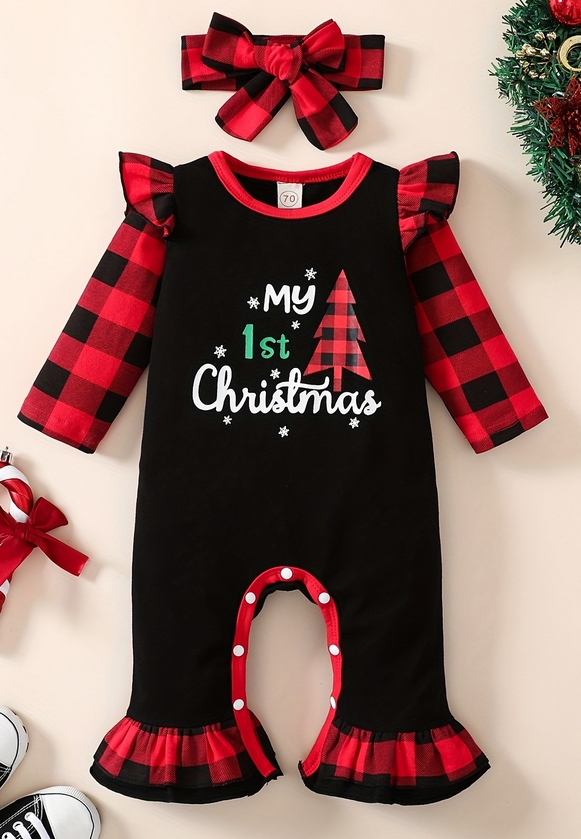 ( 100 )Chic Kids Jacket for Babies Girls Boys Chess Autumn Christmas Long Sleeve Clothes Exclusive Headbands (Black,)$12.99View on Mallflare
Highlights
- Sleepwear and tight-fitting garments must meet CFR 1610/1615 flammability standards; loose jackets should use snug cuffs and hem bands to reduce fire risk.
- Down and synthetic fill warmth is measured by fill power (550-800) or grams per square meter (GSM 80-200); higher fill power traps more heat per ounce.
- Car-seat safety requires avoiding bulky puffy jackets under harness straps—use a thin fleece or jacket with a back panel removed for proper strap tension.
- Waterproof ratings for baby jackets range from 3,000mm to 10,000mm; taped seams and YKK zippers are the durability benchmarks for daily wear.
Best use cases
- Best fit: a 3-in-1 waterproof shell with removable fleece liner for daily stroller commutes in 40-60°F—pick 5,000mm waterproofing and taped seams; skip single-layer windbreakers.
- Best fit: a lightweight packable down jacket (600+ fill power) for car travel and quick errands in 30-50°F—choose a thin back panel for car-seat compliance; skip thick sherpa-lined puffers.
- Best fit: a hooded softshell with elastic cuffs for active toddlers in 45-65°F—select breathable 3-layer fabric with 5,000g/m²/24h breathability; skip non-breathable PVC raincoats.
- Wrong fit: oversized puffy coats for infants under 12 months—they risk suffocation and harness fit; instead use a car-seat-safe poncho or layered fleece.
Buying tips
- Match jacket size to height, not age: 0-3M fits 20-24 inches, 6-9M fits 26-28 inches, 12-18M fits 30-32 inches—always measure torso length from shoulder to crotch.
- For temperatures 20-35°F, choose 150-200 GSM synthetic fill or 650+ fill power down; below 20°F add a base layer and select a hooded jacket with chin guard.
- Verify zippers are YKK or equivalent self-locking nylon; plastic zippers fail below 20°F and metal zippers can pinch—look for zipper garage and interior storm flap.
- Choose jackets with elastic or hook-and-loop cuffs and hem to seal warmth; avoid drawstrings at hood and neck (strangulation hazard per CPSC).
Specs
| Insulation Type | Down (550-800 fill) vs Synthetic (80-200 GSM) |
|---|---|
| Waterproof Rating | 3,000-10,000mm; taped seams for 5,000mm+ |
| Closure Safety | YKK zipper + storm flap + zipper garage |
| Car-Seat Compatible | Thin fleece or removable back panel |
Related searches
What to check before buying
- Measure your child's height and chest circumference—jacket chest should allow two fingers of ease over a sweater, not more.
- Confirm the jacket is car-seat compatible: do the 'pinch test'—harness straps should not pinch fabric at shoulder level with jacket on.
- Check waterproof rating and seam sealing: 3,000mm minimum for light rain, 5,000mm+ with taped seams for sustained wet weather.
- Verify closure type: full-length zipper with interior storm flap and zipper garage; avoid buttons or snaps that pop open in cold.
FAQ
Data sources: eBay / Amazon listings and product attribute feeds. Updated Nov 25, 2026.
Some links on this page are affiliate links. If you buy after clicking one, we may earn a commission at no extra cost to you. This does not change which products appear here or their order. Affiliate disclosure.