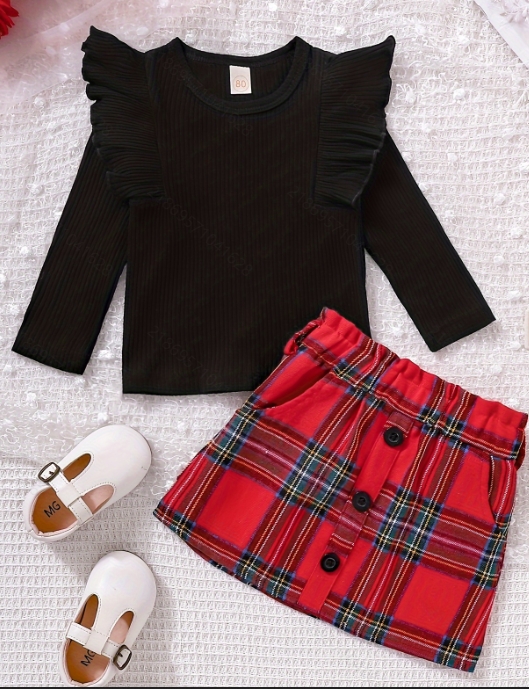

Photos from current listings. Actual item, color, and included accessories may vary.
Infant Dress Buying Guide
An infant dress is a one-piece garment sized for babies roughly 0–24 months, where the primary trade-off is between soft, breathable, skin-safe fabric and easy diaper access versus decorative trims that can irritate or restrict movement. Durable options use certified cotton or modal blends with flat seams and snap or envelope necklines, while compromises rely on stiff synthetics, glued embellishments, and tight elastic. The decision rule: prioritize a breathable natural-fiber or certified blend with diaper-friendly closures for daily wear, and reserve structured or tulle styles only for short-event photos.
At a glance
- Category
- Kids' & Baby Clothing
- Last updated
- Nov 25, 2026
Current offers
Highlights
- Fabric safety standard: OEKO-TEX Standard 100 Class I is the benchmark for infant textiles, limiting formaldehyde, azo dyes, and heavy metals to the strictest baby tier.
- Diaper access design: snap-crotch or envelope-neck construction lets you change without removing the whole dress; pull-on styles force full undressing and stretch the neckline.
- Seam and trim construction: flatlock or overlocked seams with fabric-covered elastic prevent chafing; glued-on bows, sequins, and rhinestones are choking hazards for under-3s.
- Fiber performance: 100% cotton or cotton-modal breathes and washes hot; polyester tulle and stiff corduroy hold shape for photos but trap heat and pill at friction points.
Best use cases
- Daily wear and daycare: pick a snap-crotch cotton or modal A-line dress with long sleeves and no loose trims — skip tulle, sequins, and pull-on necklines.
- Holiday photos and events: choose a structured tulle or velvet dress with a soft cotton lining and snap back; limit wear to 1–2 hours and skip unlined scratchy mesh.
- Fall/winter layering: select corduroy or brushed-cotton dresses with roomy armholes to fit over a bodysuit; skip tight elastic cuffs that bunch sleeves.
- Warm-weather outings: use single-layer cotton or muslin dresses with wide neck openings and no lining; skip polyester blends that trap heat and sweat.
Buying tips
- Size by height and weight, not age: 12–18M typically fits 29–32 in and 20–27 lb; buy one size up only if the brand runs small and you need layered room.
- Check neckline closure: envelope shoulders or 2–3 back snaps must open wide enough to pass over a 17-inch infant head without stretching the fabric.
- Match fabric to season: choose 100% cotton or modal for spring/summer, double-layer cotton or corduroy with a bodysuit underneath for fall/winter.
- Verify trim attachment: any bow or appliqué must be stitched through, not glued; skip detachable belts, sashes, and small buttons on sizes under 18M.
Specs
| Fabric Grade | OEKO-TEX Class I cotton vs polyester |
|---|---|
| Diaper Access | Snap crotch vs pull-on |
| Neckline | Envelope / back-snap vs elastic |
| Trim Safety | Stitched appliqué vs glued sequin |
Related searches
What to check before buying
- Measure chest and height: dress chest should exceed body chest by 2–3 inches for wiggle room; total length should clear the diaper bulge without dragging.
- Confirm diaper-change access: snap crotch or full back opening is mandatory for daily use; test that snaps are plastic-coated, not sharp metal.
- Check washing compatibility: cotton and modal tolerate hot wash and tumble low; tulle and velvet need cold hand-wash and line dry, so plan laundry effort.
- Match to car seat and stroller: avoid bulky tulle skirts and long hems that bunch under 5-point harness straps; choose trim A-line silhouettes for travel.
FAQ
Data sources: eBay / Amazon listings and product attribute feeds. Updated Nov 25, 2026.
Some links on this page are affiliate links. If you buy after clicking one, we may earn a commission at no extra cost to you. This does not change which products appear here or their order. Affiliate disclosure.