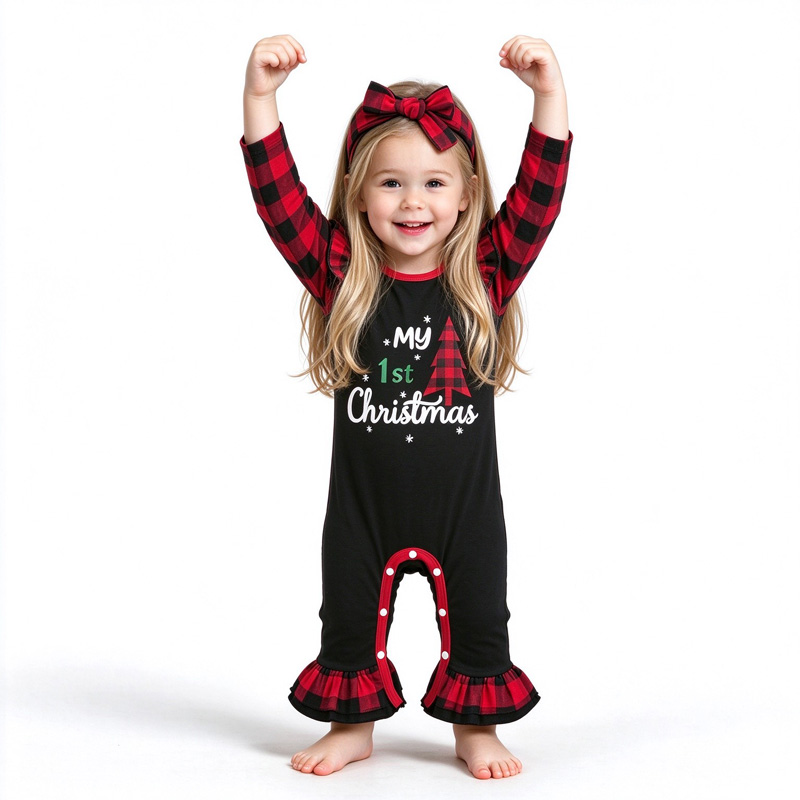

Photos from current listings. Actual item, color, and included accessories may vary.
Infant Winter Clothe Buying Guide
Infant winter clothing is a layering system—not a single garment—where safety, thermal regulation, and ease of diaper access decide whether a piece is functional or a compromise. The core trade-off is between loft/warmth and breathability/mobility, and the decision rule is simple: prioritize flame-retardant-free, snug-fitting base layers plus a TOG-rated sleep sack or bunting for sleep, and reserve bulky snowsuits for stroller use only. Durable options use fine-gauge cotton or wool blends with flatlock seams and two-way zippers; compromises rely on loose polyester fills, decorative ruffles, and snap-only crotch closures that gap in cold.
At a glance
- Category
- Kids' & Baby Clothing
- Last updated
- Nov 25, 2026
Current offers
Highlights
- Sleep safety standards: infant sleepwear should be snug-fitting or TOG-rated; loose blankets and bulky snowsuits are unsafe for crib sleep under AAP guidance.
- Thermal rating: TOG 1.0 suits 68–72°F rooms, TOG 2.5 suits 61–68°F; over-bundling above TOG 3.5 risks overheating.
- Fabric construction: fine-gauge interlock cotton (150–200 GSM) or merino wool blends regulate moisture; polyester fleece traps heat but can cause sweat rash.
- Fastener hardware: two-way YKK-style zippers with internal chin guards and snap crotch access beat decorative buttons and one-way zippers for diaper changes.
Best use cases
- Best fit: indoor sleep and daycare—choose a TOG 1.0–2.5 sleep sack plus a long-sleeve cotton bodysuit; skip thick fleece sleepers in heated rooms.
- Best fit: stroller and car seat travel—use a thin merino base layer plus a zip-up bunting that opens flat; skip puffy snowsuits under car seat harnesses.
- Best fit: holiday photos and events—pick a one-piece romper in corduroy or quilted cotton with snap crotch; skip ruffled skirts and headbands for all-day wear.
- Wrong fit: loose blankets, padded sleep bags with hoods, and adult-style puffer coats for crib use—these violate safe-sleep and harness-fit rules.
Buying tips
- Size by weight and height, not age: 12–18M fits roughly 22–27 lb and 30–32 in; buy one size up only if the child is above the 75th percentile.
- Choose TOG by nursery temperature: measure the room at mattress level; add 0.5 TOG for each 5°F below 68°F rather than layering blankets.
- Check seam and label grades: flatlock seams and a printed neck label prevent chafing; avoid loose thread loops and unsecured snaps on infant sizes.
- Match closure to age: two-way zippers for under-12M diaper changes; snap crotch for toddlers; avoid buttons and decorative bows under age 3 due to choking risk.
Specs
| Sleep Thermal Rating | TOG 1.0 / 2.5 / 3.5 |
|---|---|
| Fabric Grade | 150–200 GSM cotton interlock / merino blend |
| Fastener Type | Two-way zip with chin guard / snap crotch |
| Safety Standard | Snug-fit or TOG-rated; no loose blankets |
Related searches
What to check before buying
- Measure the crib or bassinet mattress and confirm the sleep sack or wearable blanket fits the inner dimensions without excess fabric.
- Check the nursery thermometer at sleep height; select TOG accordingly before buying any winter sleepwear.
- Confirm car seat harness compatibility: bunting must be thin (under 1 inch loft) and open flat, or use a shower-cap style cover instead.
- Verify laundry and dryer tolerances: cotton and wool blends need low heat; polyester fleece pills and loses loft at high temperatures.
FAQ
Data sources: eBay / Amazon listings and product attribute feeds. Updated Nov 25, 2026.
Some links on this page are affiliate links. If you buy after clicking one, we may earn a commission at no extra cost to you. This does not change which products appear here or their order. Affiliate disclosure.