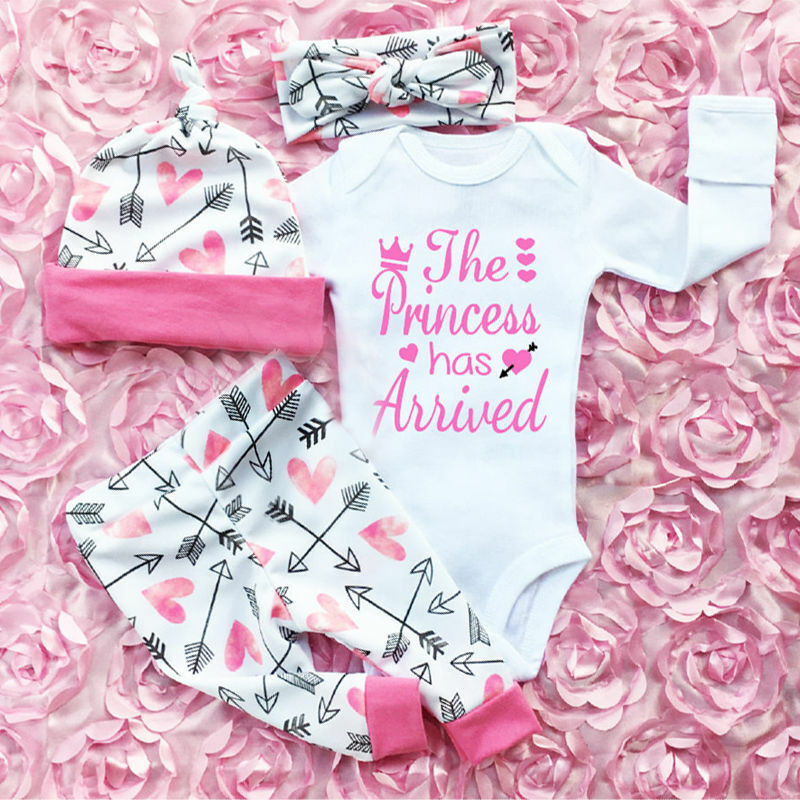

Photos from current listings. Actual item, color, and included accessories may vary.
Newborn Clothing Buying Guide
Newborn clothing is a sizing-and-safety category, not a fashion one: the real trade-off is between soft, breathable, snap-accessible construction and stiff, tight, or flammable synthetic trims that make dressing harder and pose risk. Buy only garments that meet children's sleepwear flammability rules, use nickel-free snaps, and match weight-based sizing plus generous leg room; skip any set that prioritizes tutus, bows, or tight headbands over diaper access and skin safety.
At a glance
- Category
- Kids' & Baby Clothing
- Last updated
- Nov 25, 2026
Current offers
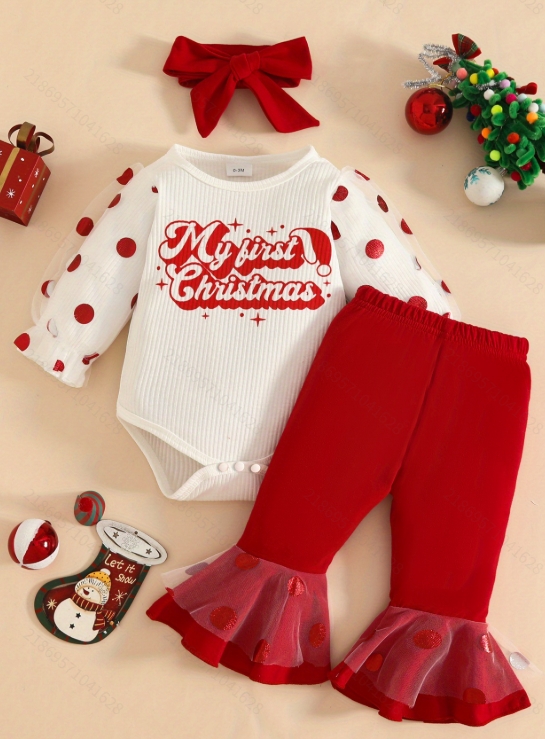
Highlights
- Safety standard: children's sleepwear must be flame-resistant or snug-fitting per 16 CFR 1615/1616; tight pajamas and loose gowns follow different rules.
- Fabric weight: 100% cotton interlock at 180–200 GSM breathes and survives hot washes; polyester blends above 50% trap heat and pill faster.
- Fasteners: nickel-free snap crotch with 3 snaps per inseam speeds diaper changes; plastic zippers with internal fabric guards prevent chin and skin pinching.
- Seams: flatlock or overlock seams with no exposed thread tails reduce chafing; tagless neck labels prevent irritation on newborn skin.
Best use cases
- Daily diaper changes: pick side-snap or snap-crotch bodysuits in 100% cotton; skip pull-on pants and back-button sets that require lifting the baby.
- Sleep: choose snug-fitting footed sleepers in cotton or flame-resistant polyester per 16 CFR 1615; avoid loose blankets, tutus, and headbands in the crib.
- Going-home outfit: a zip-front footie with fold-over cuffs and a hat is the right pick; a 3-piece tutu set with a headband is wrong for car-seat straps and hospital checks.
- Hand-me-down layering: buy 2–3 kimono-style tops and 4–6 bodysuits in each size; skip stiff denim, sequins, and faux-fur trim that shed or scratch.
Buying tips
- Size by weight first: newborn (NB) fits 5–8 lb, 0–3M fits 8–12 lb, 3–6M fits 12–16 lb; length matters less than weight in the first 8 weeks.
- Prefer 100% cotton or cotton-rich interlock (≥90%) for everyday wear; accept polyester only for flame-resistant sleepwear or outer layers.
- Check snap count and placement: 3 snaps at the crotch and 2–3 at the neck allow flat dressing; avoid back snaps and ties.
- Buy one size ahead only after 8 lb: newborns outgrow NB in 2–4 weeks, so stock 0–3M and 3–6M rather than multiple NB sets.
Specs
| Fabric | 100% cotton interlock / cotton-rich blend |
|---|---|
| Weight (GSM) | 180–200 GSM everyday knits |
| Sleepwear Safety | Snug-fit or FR per 16 CFR 1615/1616 |
| Fasteners | Nickel-free snap crotch / guarded zip |
Related searches
What to check before buying
- Weigh and measure the baby: use weight bands (5–8 lb NB, 8–12 lb 0–3M) plus chest and inseam; do not rely on age alone.
- Confirm sleepwear compliance: look for snug-fit labeling or flame-resistant treatment per 16 CFR 1615/1616 for anything worn to sleep.
- Test fasteners and trims: nickel-free snaps, plastic zippers with guards, no loose bows, sequins, or faux fur within reach.
- Check laundry reality: pre-wash in hot water; cotton interlock should hold shape and color, while cheap polyester blends pill and shrink.
FAQ
Data sources: eBay / Amazon listings and product attribute feeds. Updated Nov 25, 2026.
Some links on this page are affiliate links. If you buy after clicking one, we may earn a commission at no extra cost to you. This does not change which products appear here or their order. Affiliate disclosure.