Photos from current listings. Actual item, color, and included accessories may vary.
Shoe Cabinet With Door Buying Guide
A shoe cabinet with doors is an enclosed storage unit that protects footwear from dust and sight, available in engineered wood, metal, plastic, and fabric-covered tiers. The primary trade-off is door mechanism and panel construction: solid hinged or flip-down doors on 15mm+ engineered wood last years, while fabric roll-fronts and thin plastic doors sag and tear. Choose rigid framed doors with metal hinges for daily entryway use; skip soft fabric or snap-fit plastic doors for heavy rotation.

At a glance
- Category
- Shoe Storage & Display
- Data updated
- Nov 15, 2026
Current offers
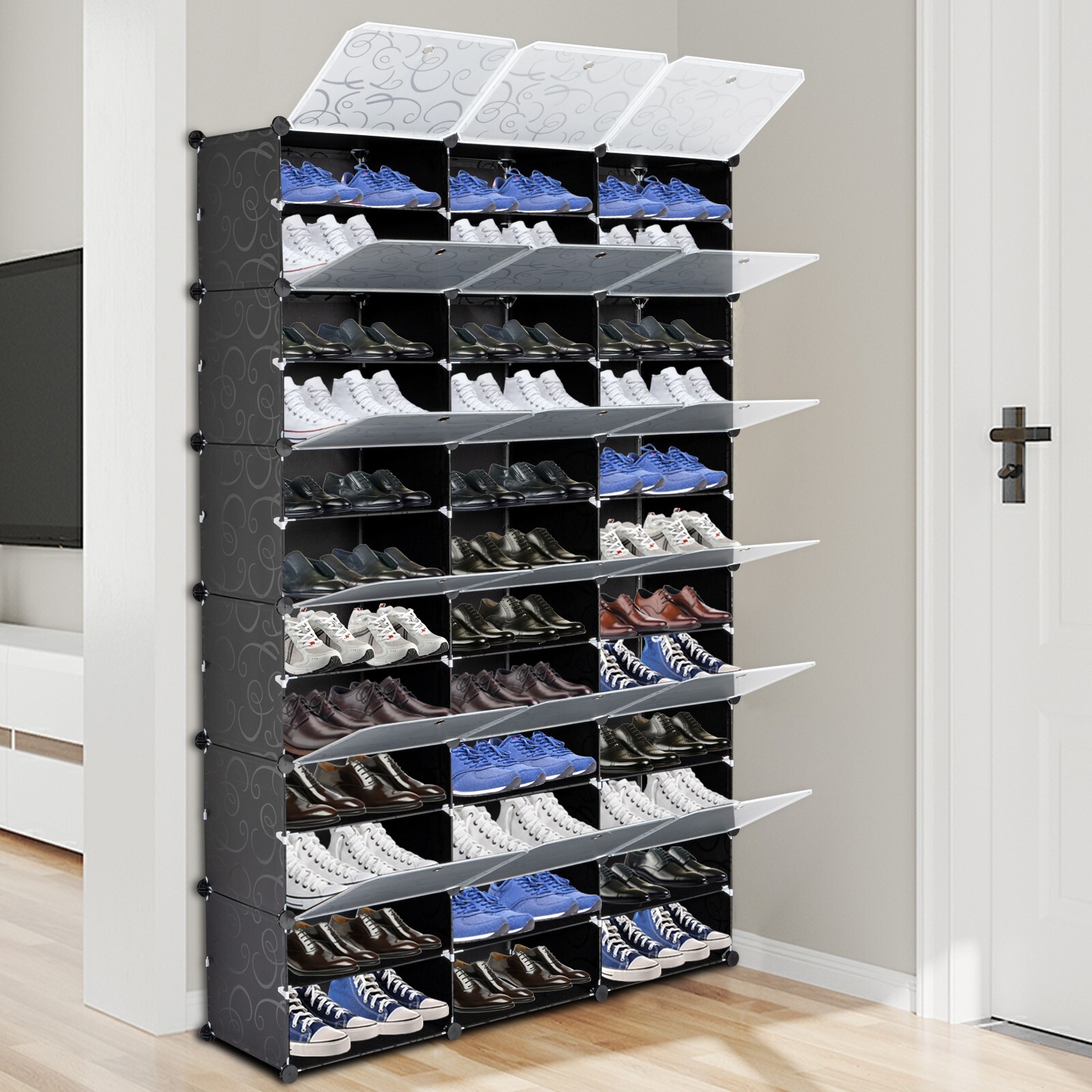 72 Pairs Shoe Rack Organizer 12-Tier Stackable Shoe Storage Cabinet Space Saving$69.99
 View on eBay
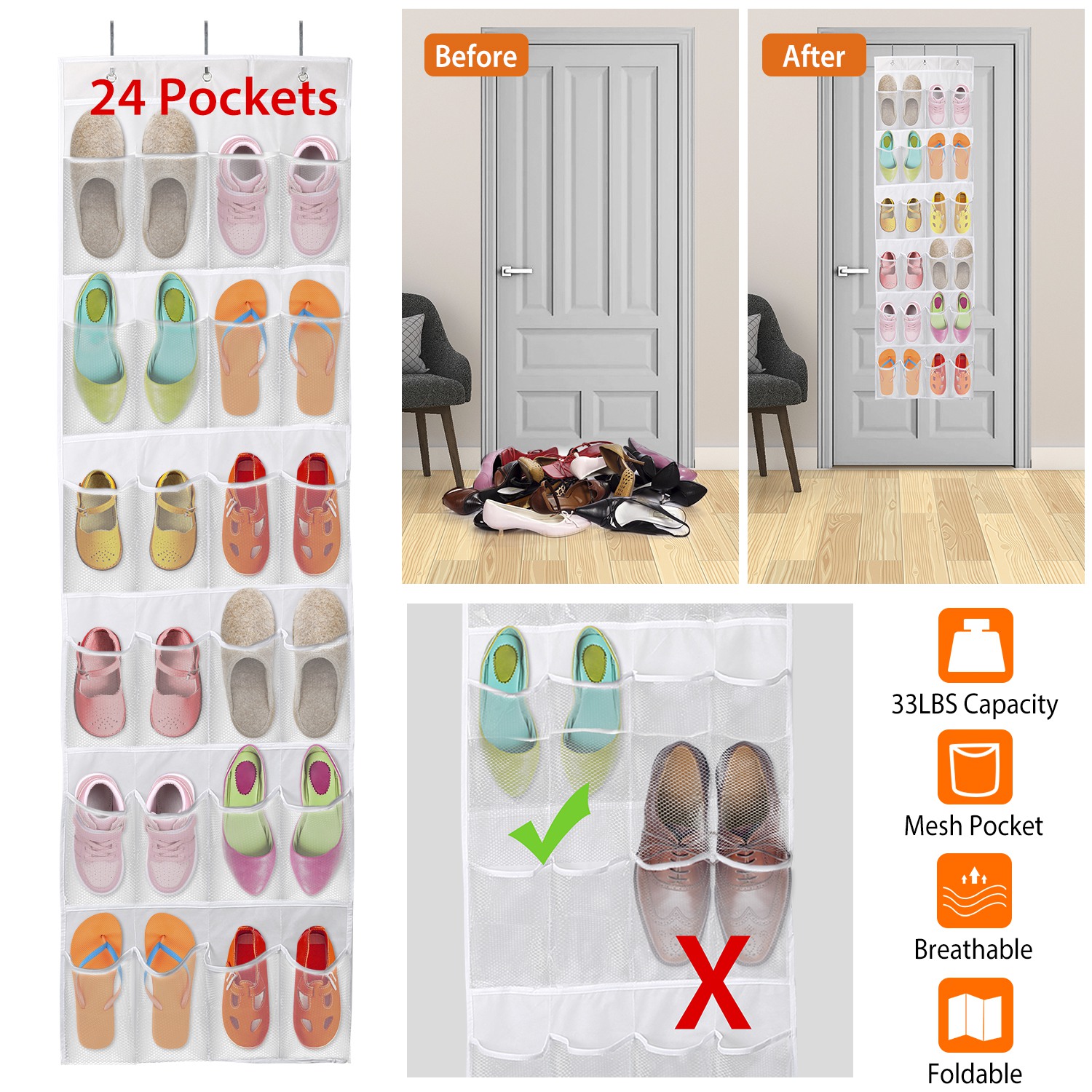 Over The Door Shoes Bag For Behind The 24-Pocket Crystal Clear Organizer 6-Layer Hanging Storage Shelf For Slippers Small Toys Closet Cabinet$24.99
 View on Mallflare
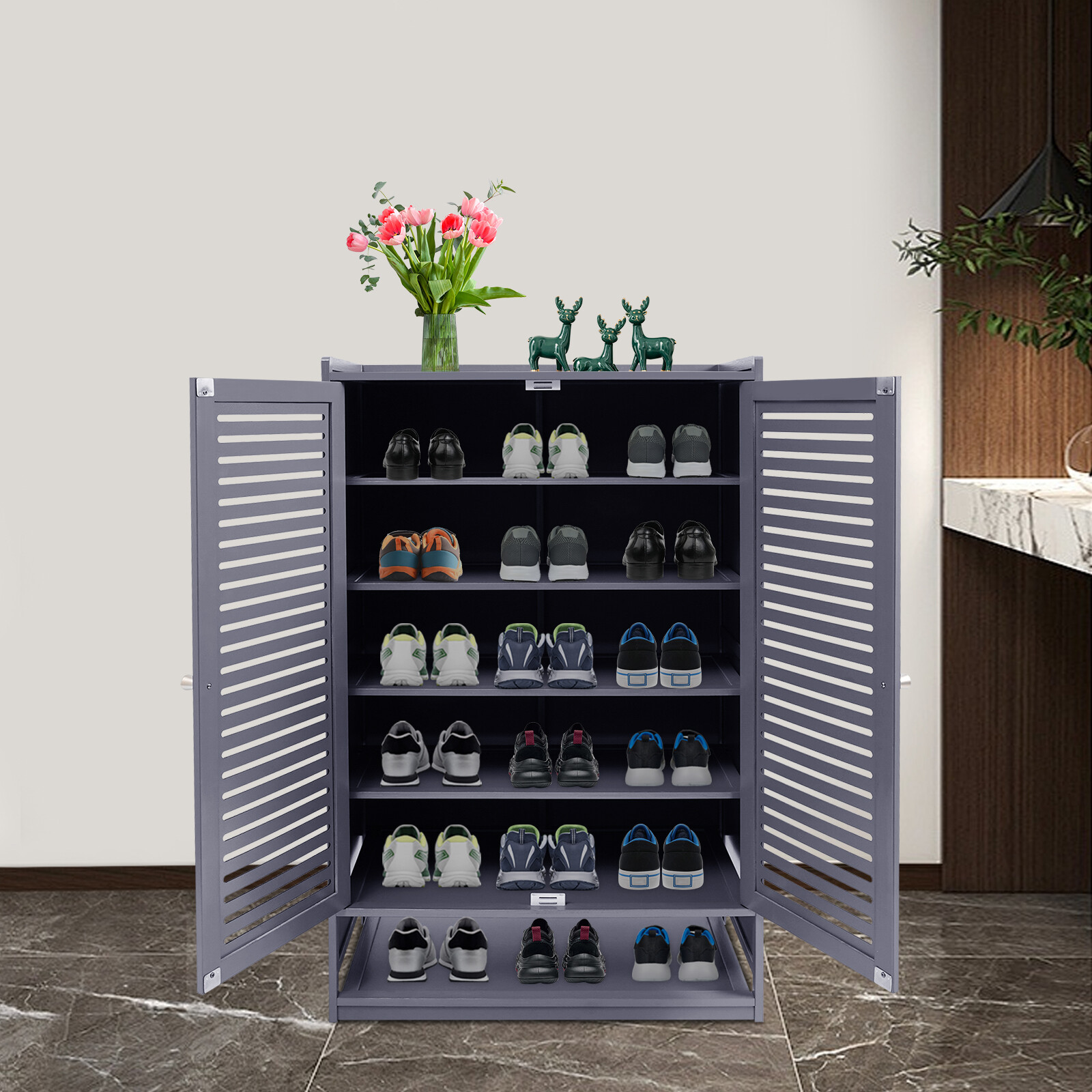 7-Tier 37.4" Tall Shoe Storage Cabinet Sneaker Organizer with Doors for Entryway$89.85View on eBay
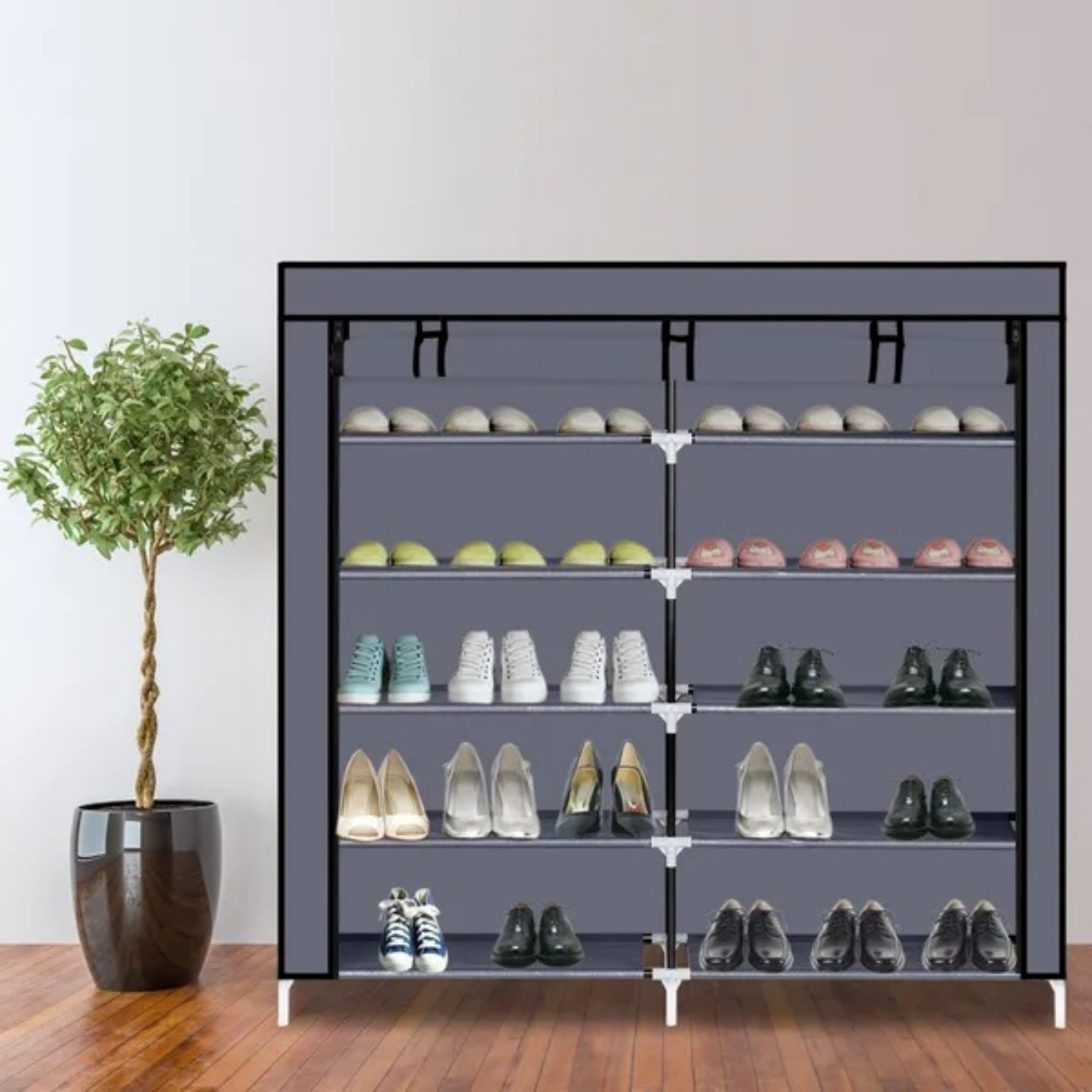 7 Tiers Portable Shoe Rack Closet Fabric Cover Storage Organizer Cabinet$27.99View on Mallflare
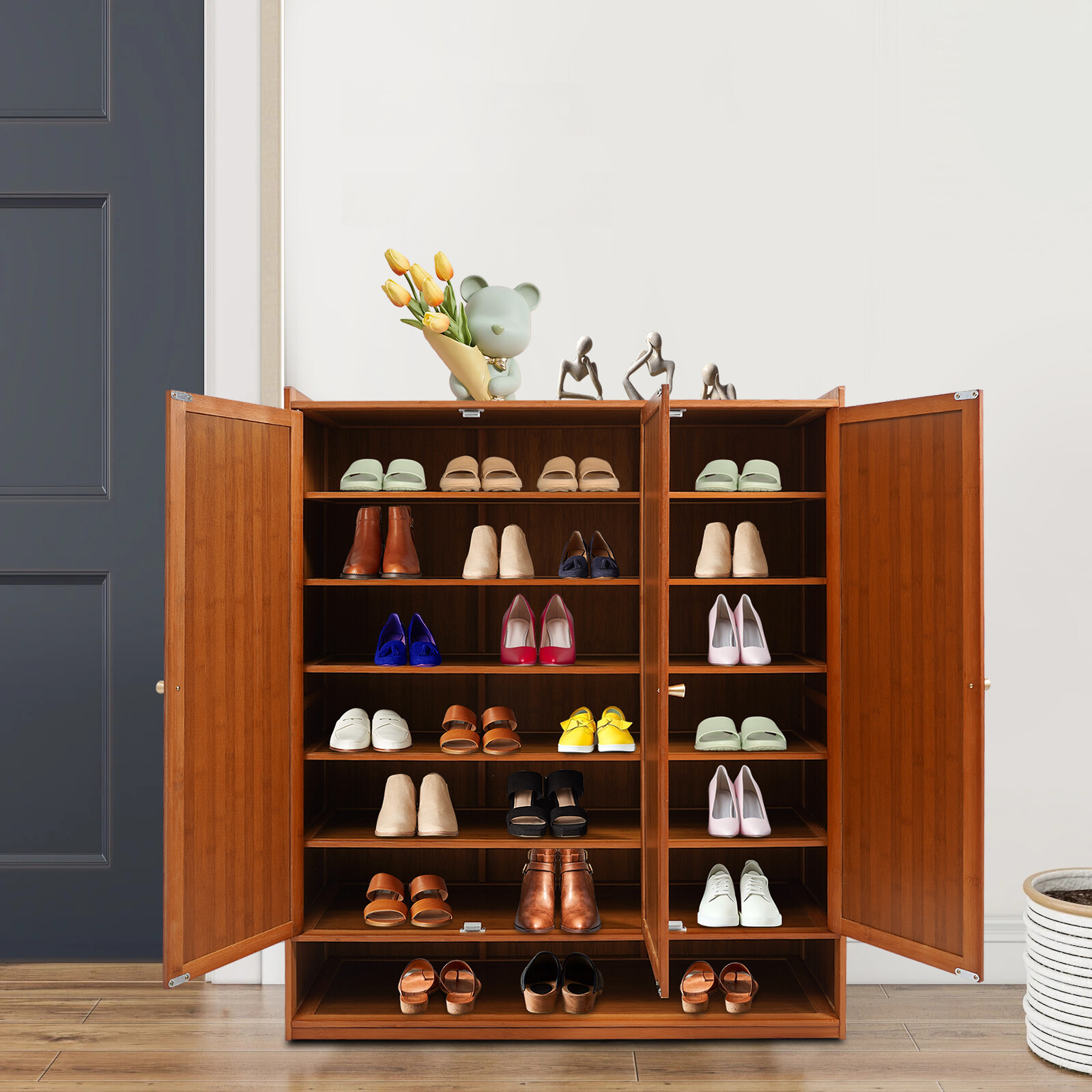 42.1" Tall Shoe Storage Cabinet 7-Tier Sneaker Organizer with Doors for Entryway$94.56View on eBay
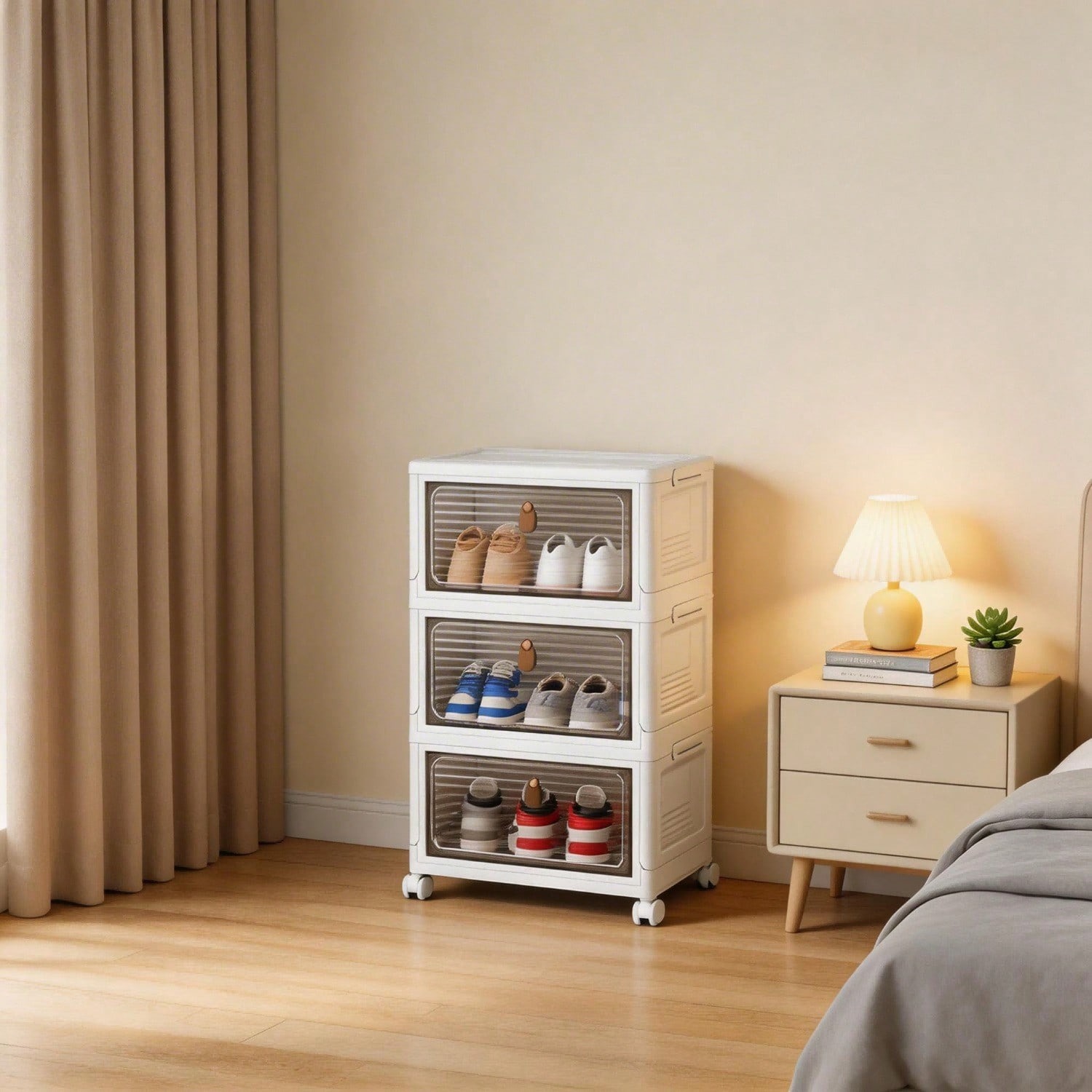 Dustproof Clear Plastic Shoe Storage Box Stackable Foldable 3Tier Cabinet Organizer For Home Bedroom Entryway$33.99View on Mallflare
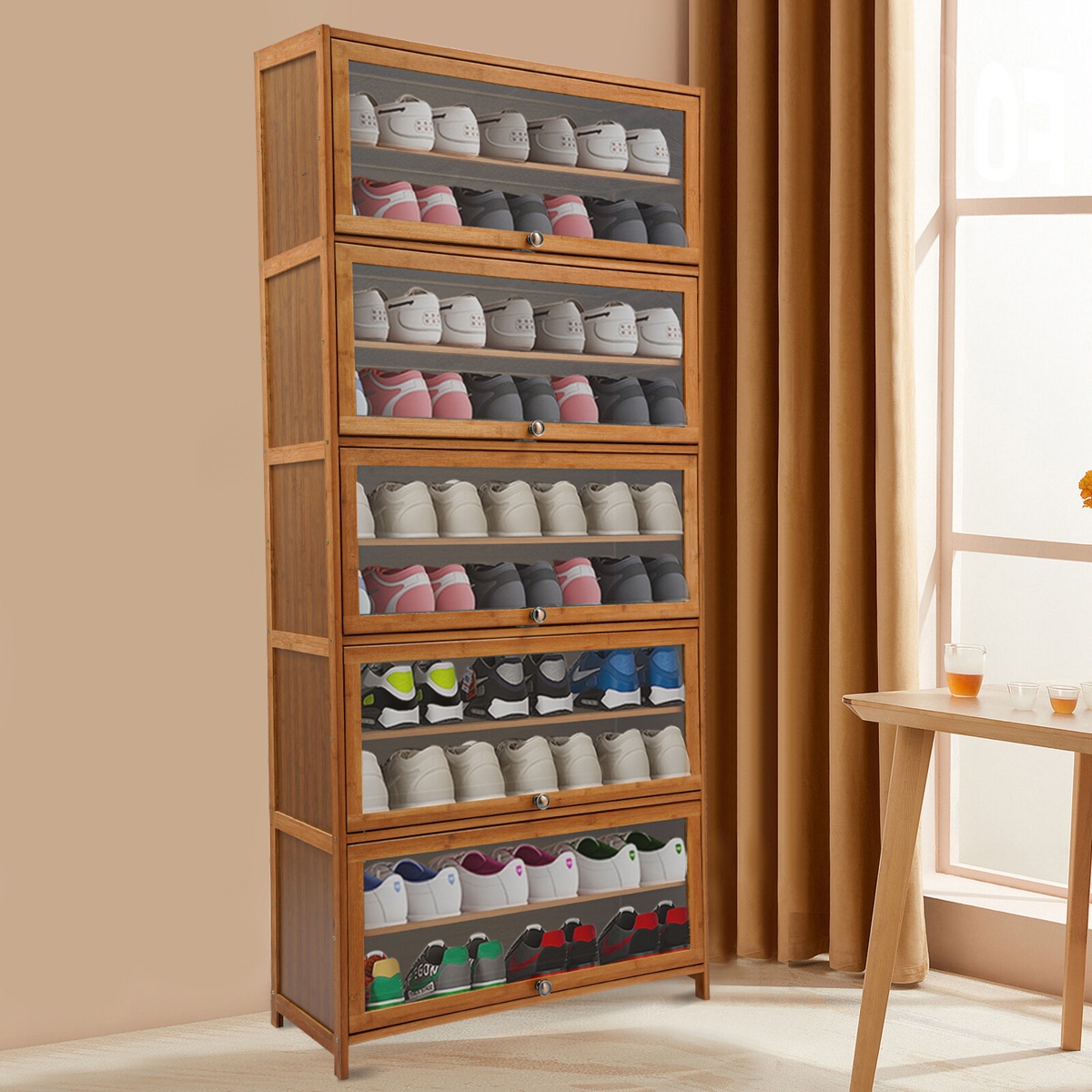 11-Tier 67" Tall Shoe Storage Cabinet Sneaker Organizer Rack for Home Entryway$125.63View on eBay
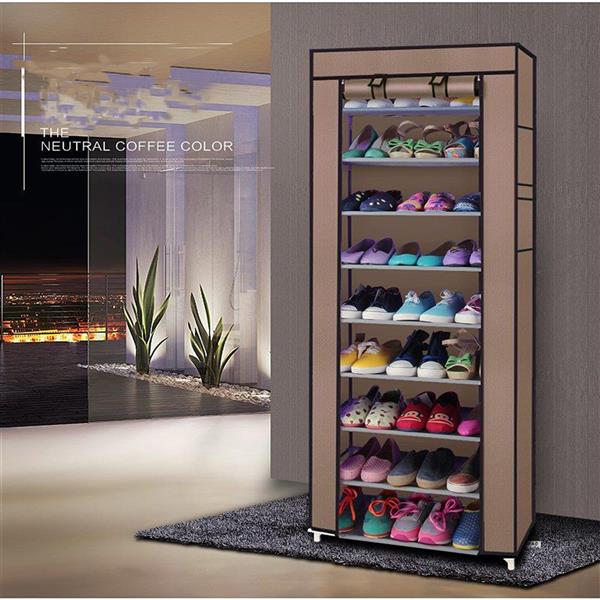 10 Layers Of 9-grid Non-woven Fabric Shoe Cabinet In Coffee Color$34.99View on Mallflare
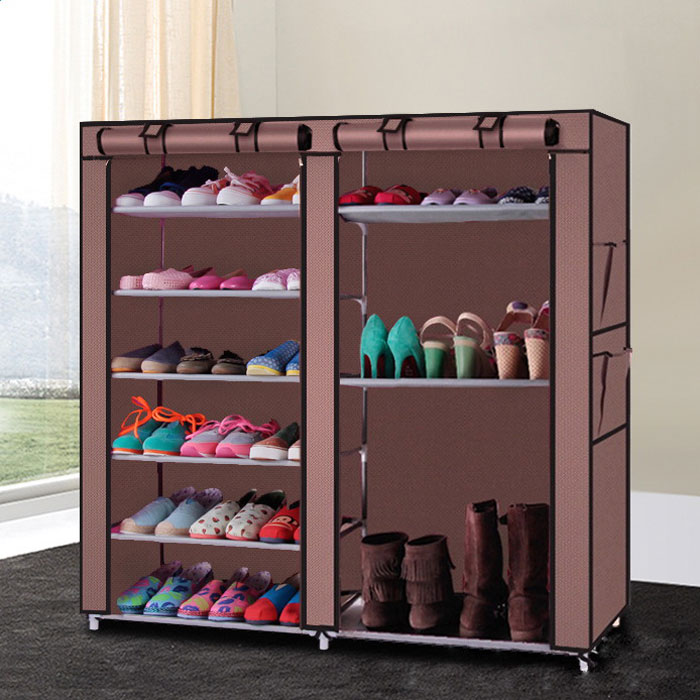 Double Row 9-grid Non-woven Shoe Cabinet Boots In Coffee Color$38.99View on Mallflare
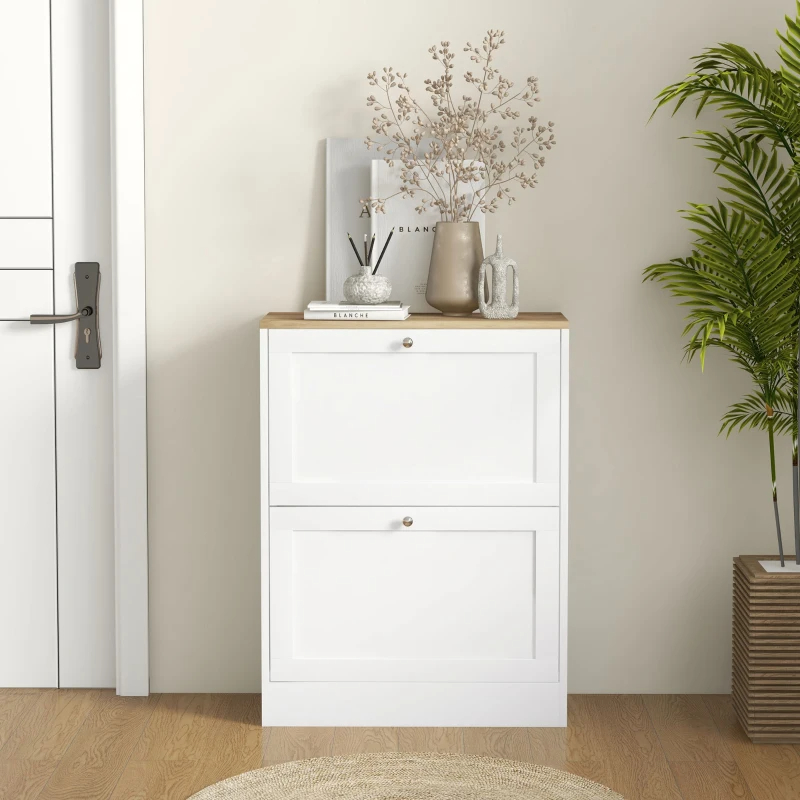 Slim Shoe Storage Cabinet, Modern With 2 Flip Drawers And Adjustable Shelves For 8-12 Pairs, White$77.99View on Mallflare
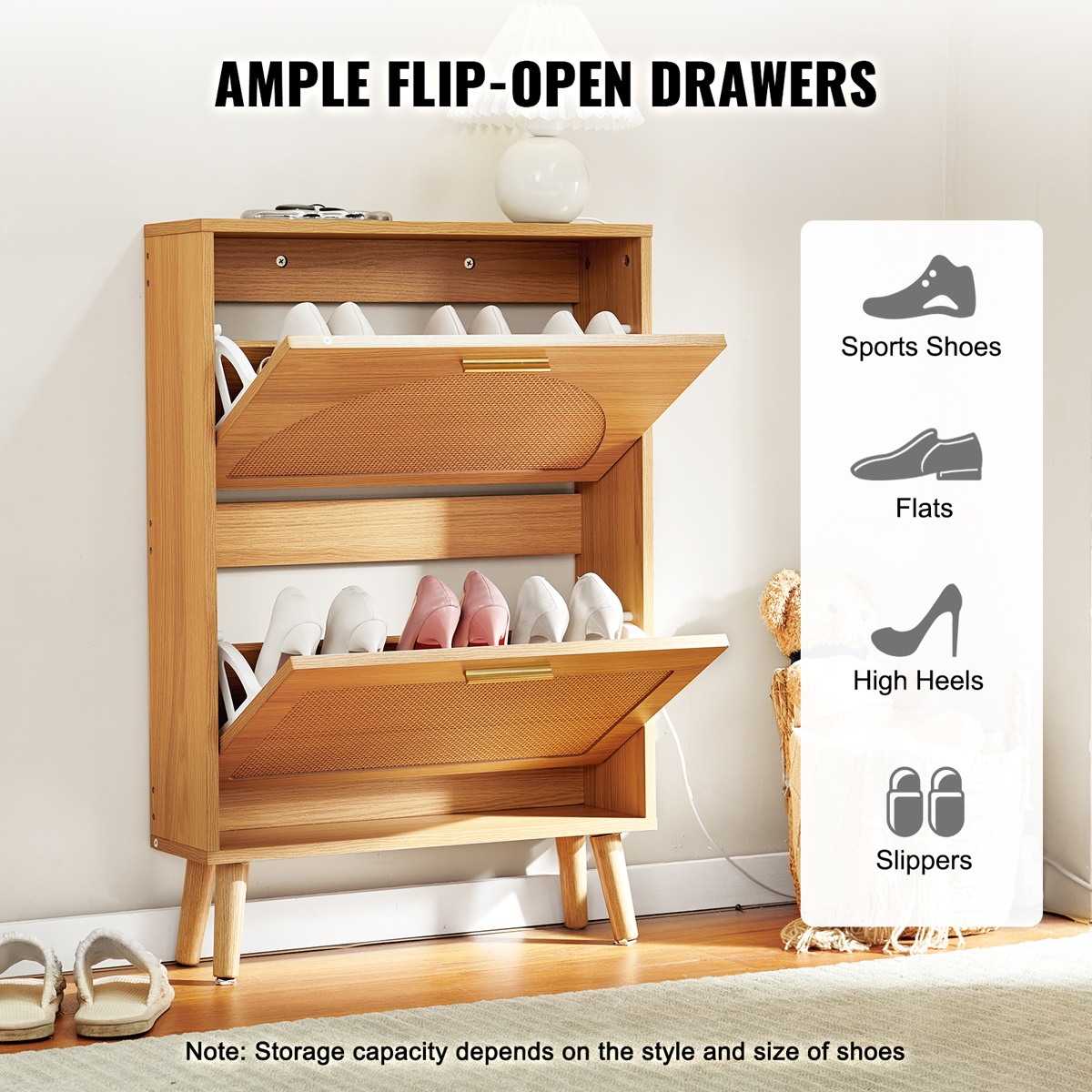 VEVOR Shoe Cabinet With 2 Flip Drawers, Storage For Entryway, Free Standing Organizer Rattan Doors For Heels, Boots, Slippers In Hallway, Living Room$79.99View on Mallflare
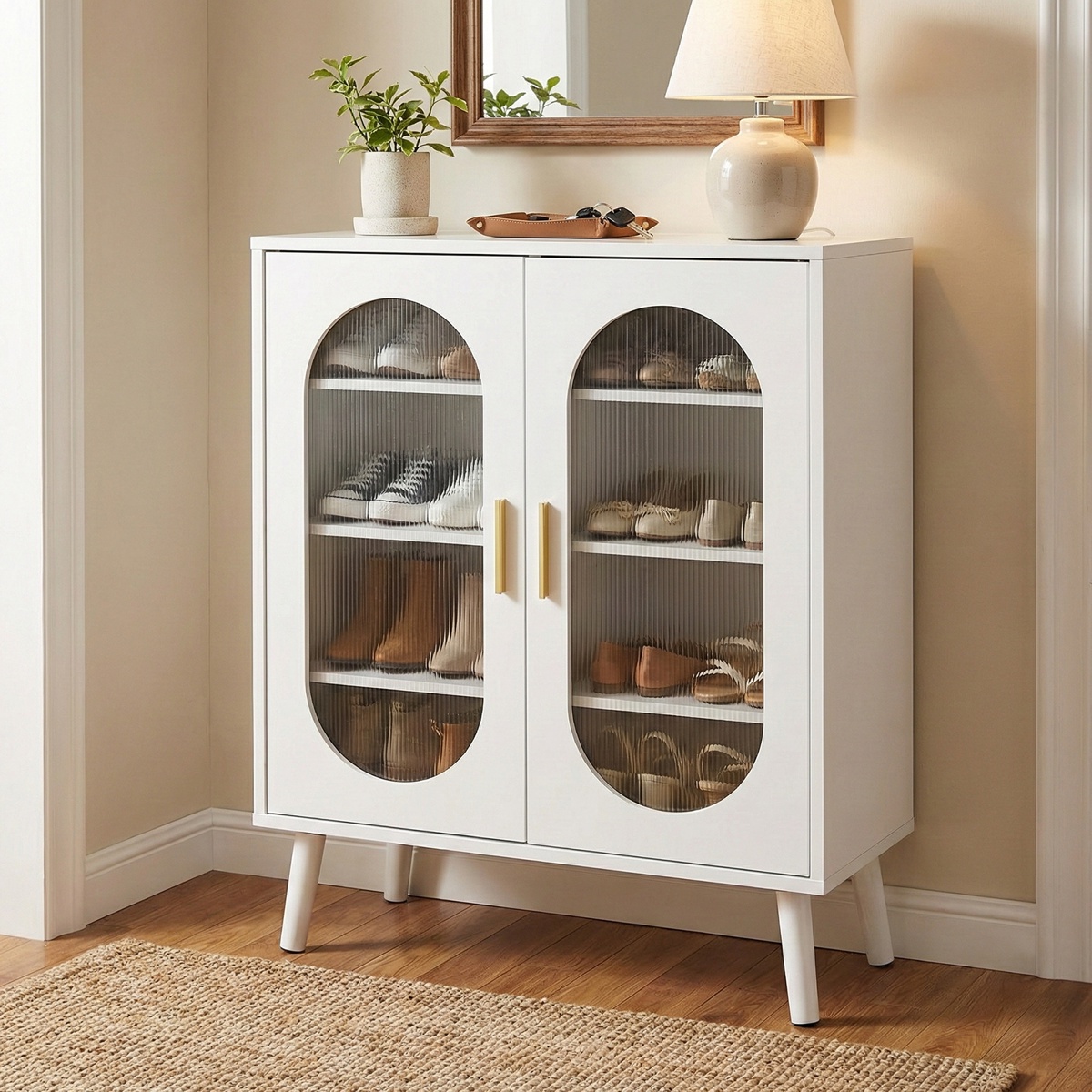 Two-door, polycarbonate sheet shoe cabinet with four internal layers, USB LED strip, and 24 adjustable buttons. Made of particleboard and Dimensions: 68*40*83.5 cm. White$89.99View on Mallflare
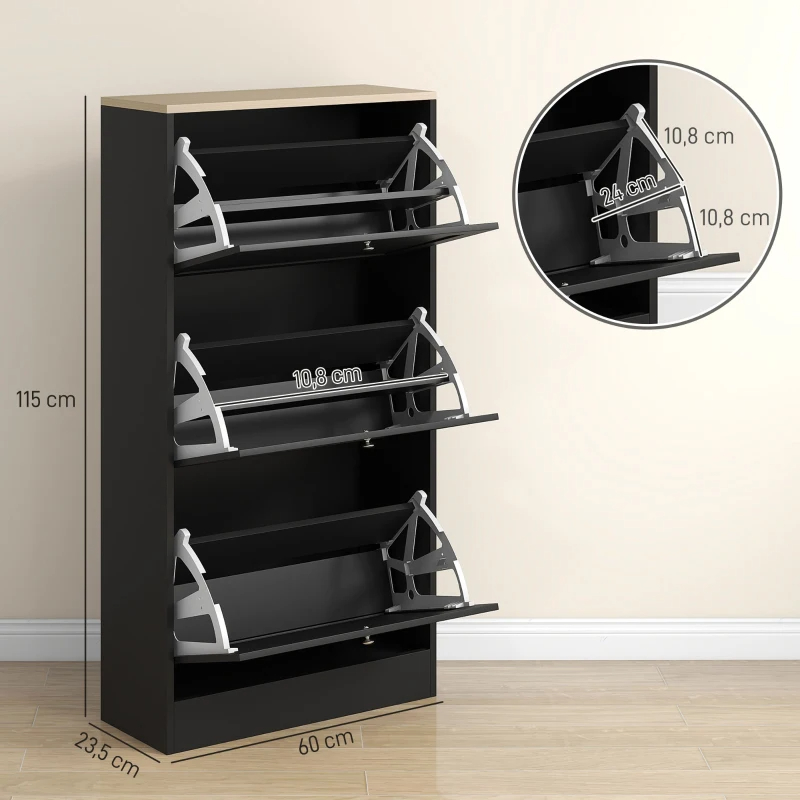 Modern Shoe Storage Cabinet With 3 Flip Drawers And Adjustable Shelves For 12-18 Pairs Of Shoes$91.99View on Mallflare
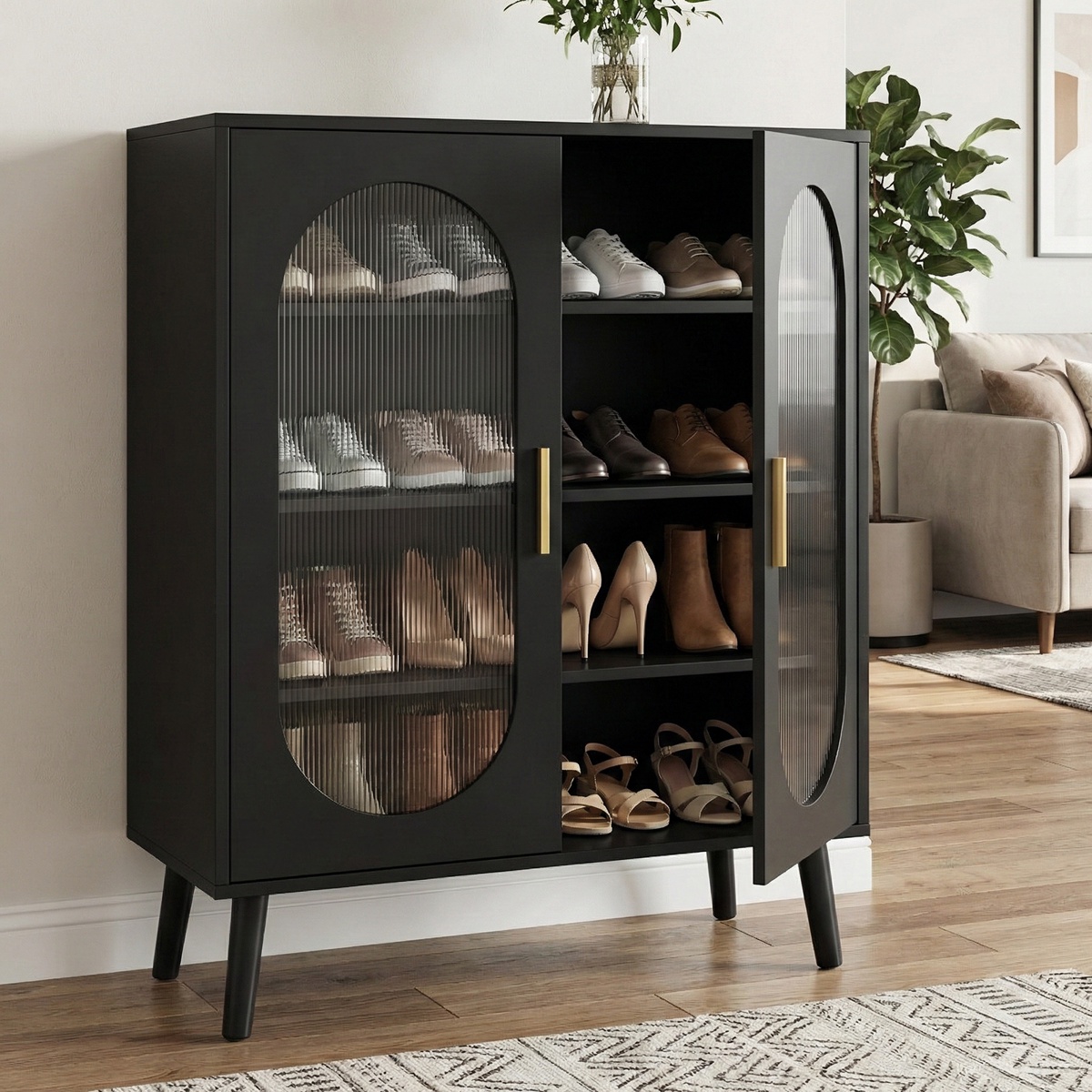 2-door shoe cabinet with high legs, internal 4-tier shelving, USB LED light strip, and 24-key adjustable lighting. Made of particleboard and polycarbonate. Dimensions: 68*40*83.5 cm. Color: Black$93.99View on Mallflare
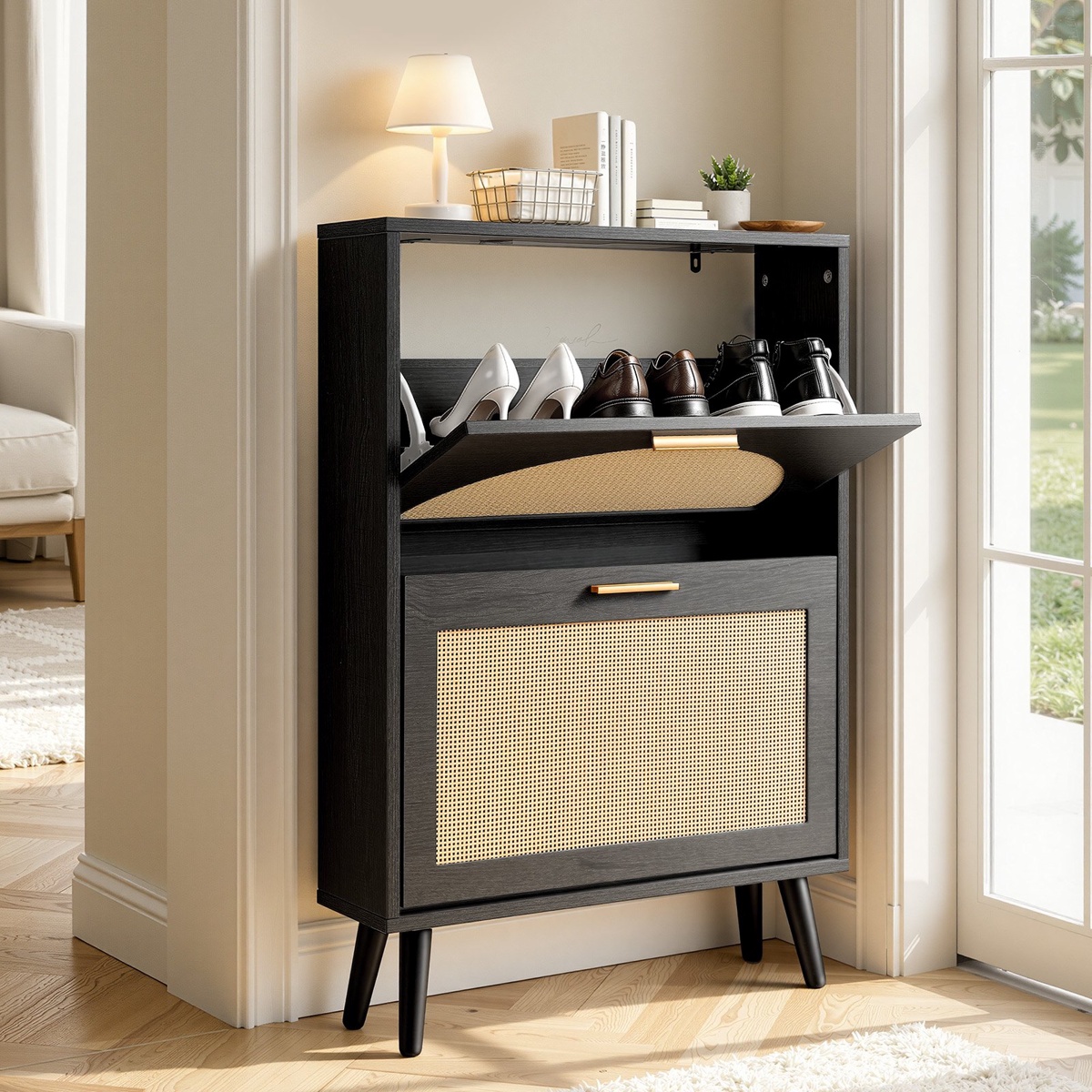 Rattan Shoe Cabinet, 6-Pair Organizer, 2 Flip Drawers, Slim for Entryway, Hallway and Living Room, Freestanding Narrow Shoes Wooden Rack, with 80 lb Top Surface and Tip-Over Restraint$98.99View on Mallflare
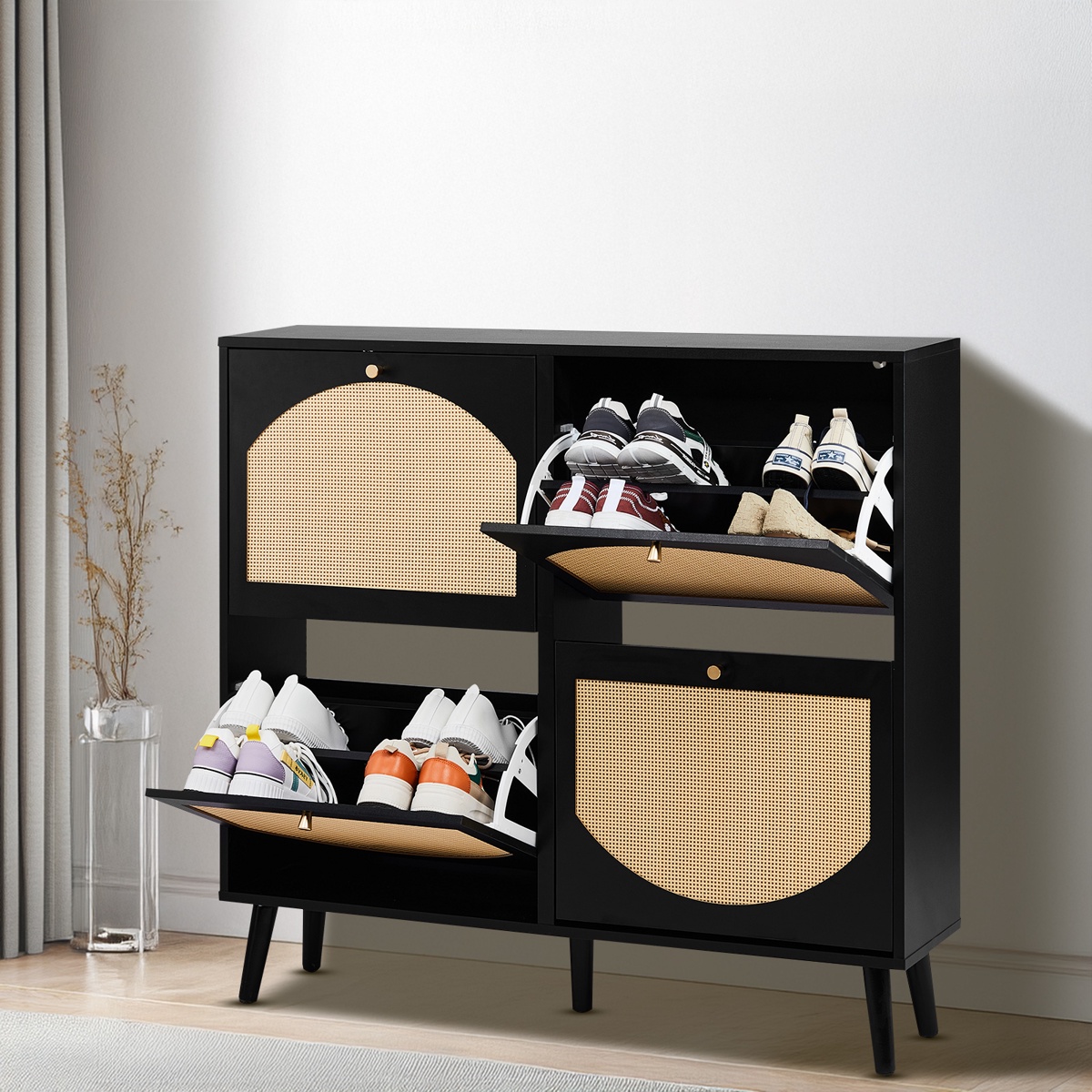 2 rows of 4 dump buckets with high-leg arched rattan shoe cabinet particle board + plastic 105*24*98cm black frame + original wood surface +$100.99View on Mallflare
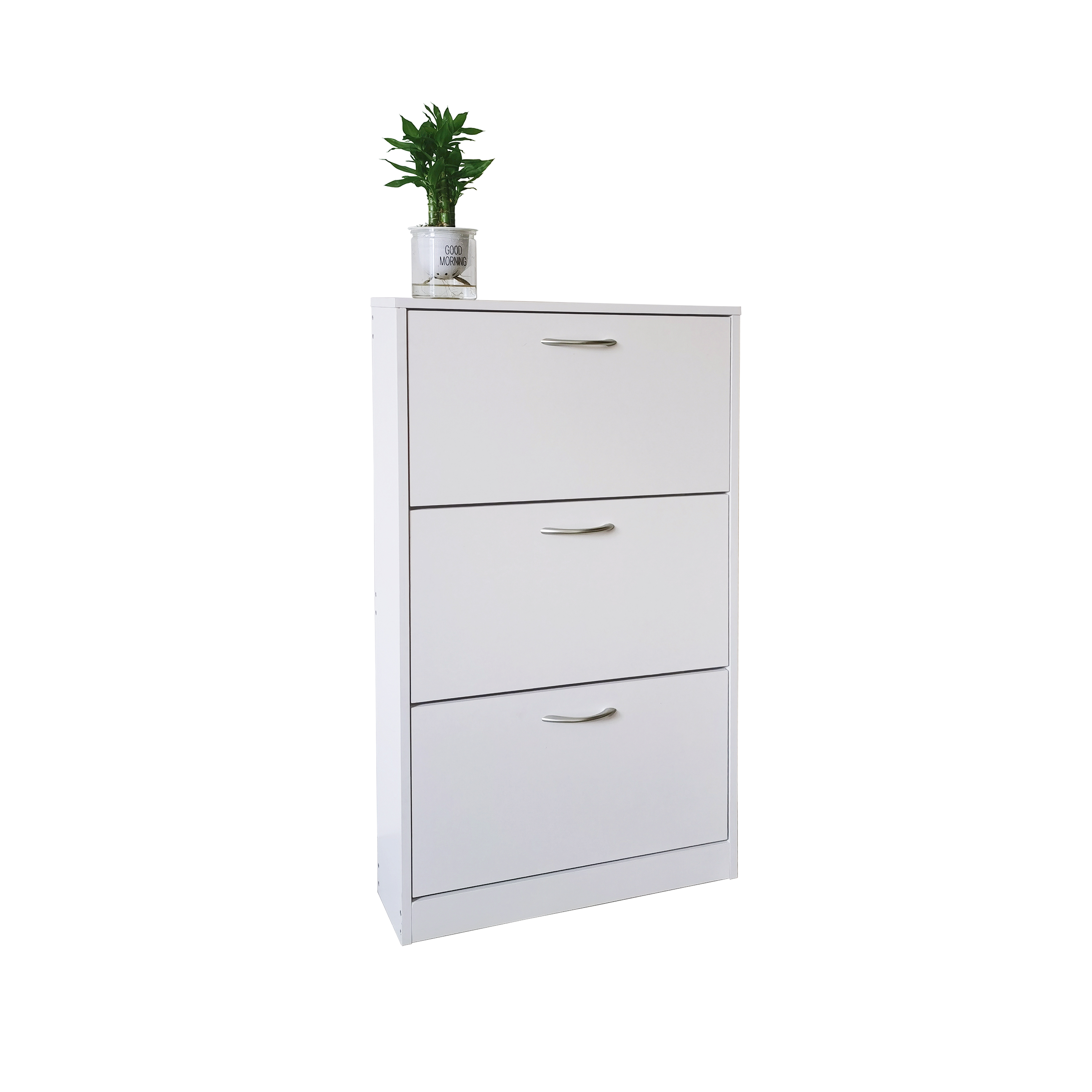 Shoe Cabinet for Entryway, White Narrow Storage Flip Down Rack Wood 3 Tier Organizer for Home and Apartment$100.99View on Mallflare
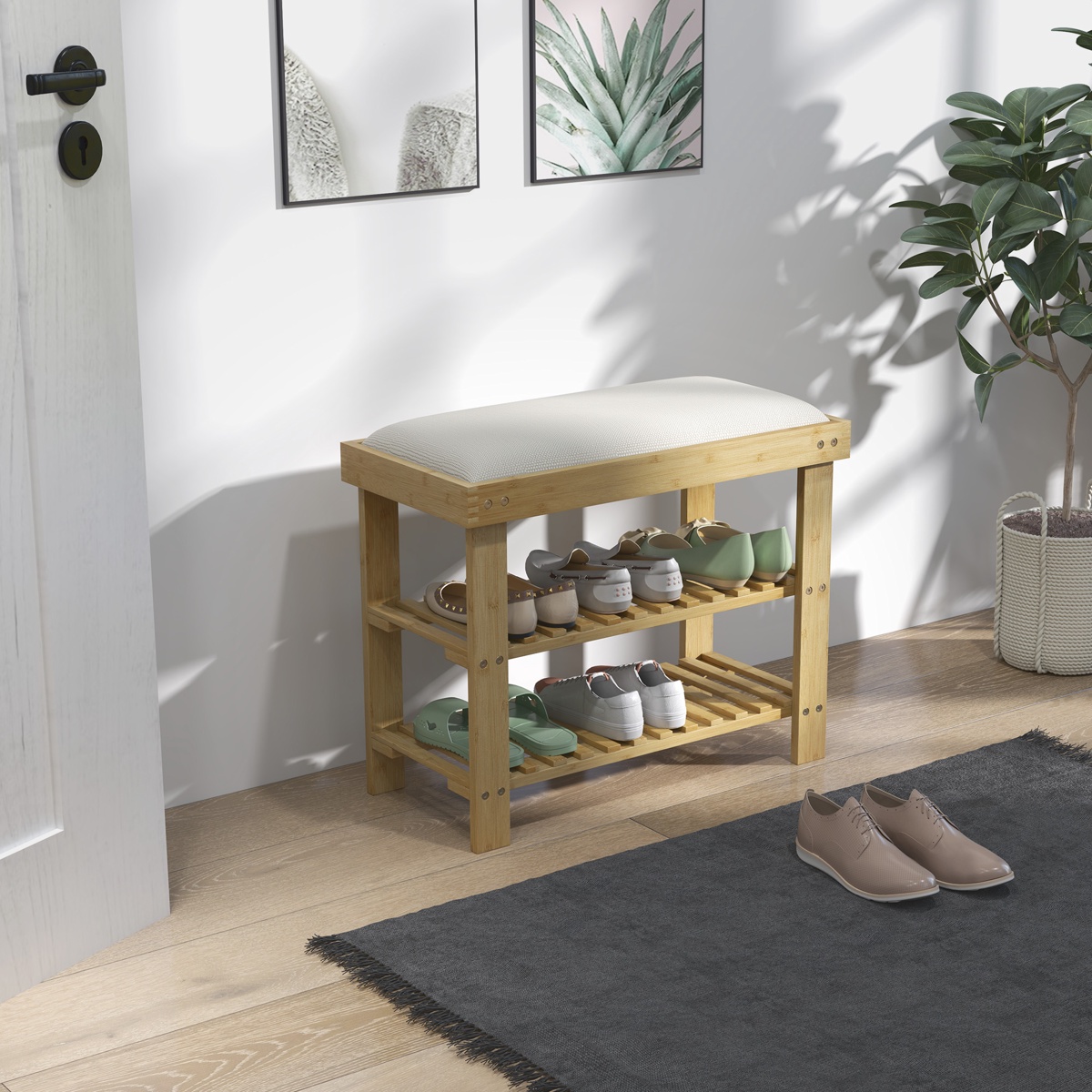 Shoe Storage Cabinet/Shoe Rack$104.99View on Mallflare
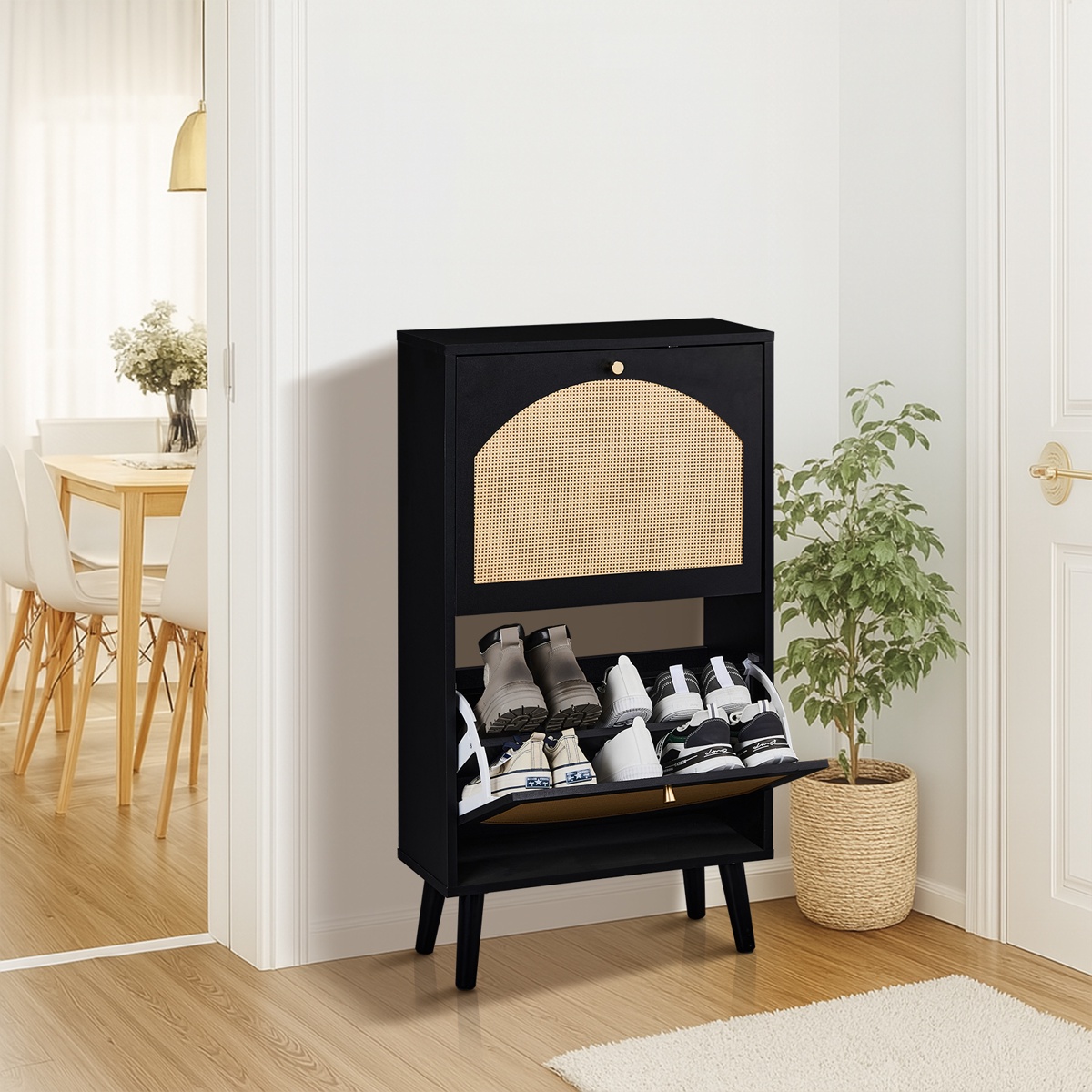 2-Drawer Tall Arched Rattan-Finished Shoe Cabinet Particleboard + Plastic Rattan 21.26*9.45*38.58in Black Frame + Natural Wood-Colored Top + High Legs$106.99View on Mallflare
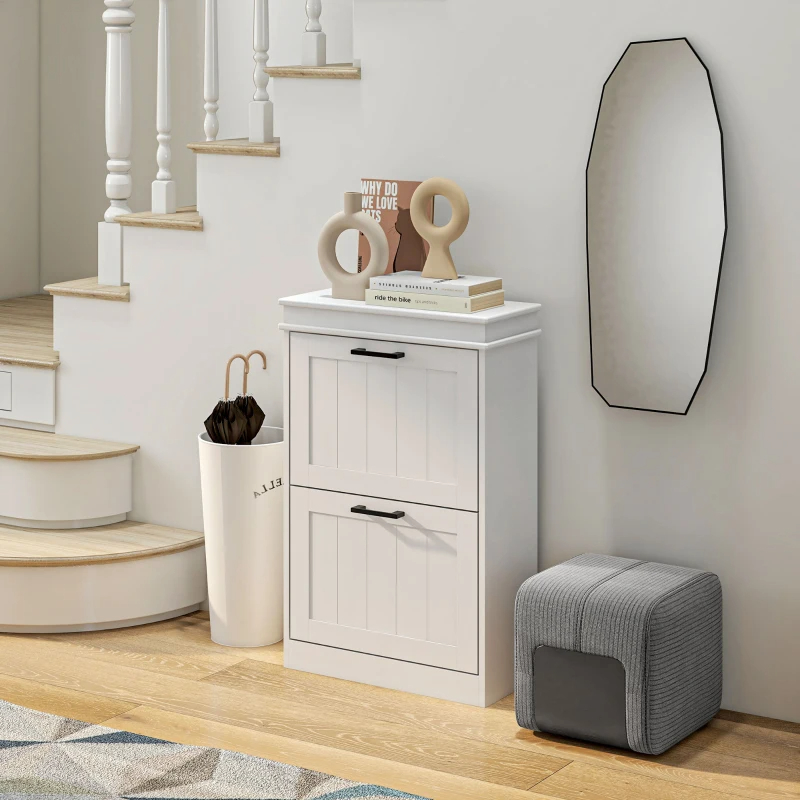 Modern Shoe Storage Cabinet With 2 Flip Drawers For 10 Pairs, Narrow Organizer For Entryway, Hallway, White$107.99View on Mallflare
Highlights
- Door mechanism defines durability: flip-down drawers use metal dampers rated for 30,000+ cycles, while fabric roll-fronts rely on nylon zippers that fail first.
- Panel thickness separates tiers: 15mm+ particleboard or MDF with melamine facing resists warp; 9-12mm panels bow under stacked boots and hinge load.
- Tall 7-tier units (37-42in) use anti-tip wall brackets; freestanding 67in+ racks require anchoring to studs for stability.
- Slim flip-drawer cabinets fit 8-12 pairs in 10-12in depth via angled internal dividers; full-depth hinged cabinets need 14-16in clearance for door swing.
Best use cases
- Entryway with 10-20 pairs: pick a 7-tier engineered-wood cabinet with hinged or flip doors and anti-tip bracket; skip fabric roll-fronts that tear at zippers.
- Bedroom closet overflow for 20+ pairs: choose a tall multi-tier rack cabinet (11-tier, 67in) anchored to studs; skip slim 8-pair flip units that waste vertical space.
- Rental or dorm with no wall drilling: select a freestanding plastic or metal cabinet under 30in tall; skip tall 67in racks that tip without anchoring.
- Boot and tall-shoe storage: pick adjustable or removable shelves with 8in+ spacing; skip fixed 6in shelves and 9-grid non-woven cubbies that crush tall shafts.
Buying tips
- Measure door-swing clearance: hinged doors need 14-16in in front; flip-down drawers need only 10-12in, ideal for narrow hallways.
- Match internal height to footwear: flats need 4-5in, sneakers 5-6in, boots 8-10in—confirm adjustable shelves or removable dividers before buying.
- For 15+ pairs, target 30-40 pairs per 42in-tall 7-tier cabinet; oversized pairs (men's US 12+) reduce capacity by roughly 20%.
- Choose metal hinges and dampers over plastic snaps; fabric covers only suit dust protection in low-traffic rooms, not daily entryway use.
Specs
| Door Type | Hinged / Flip-drawer / Roll-front |
|---|---|
| Frame Material | Engineered wood / Metal / Plastic / Fabric |
| Tier Capacity | 3-11 tiers; 8-40 pairs |
| Panel Thickness | 15mm+ MDF / 9-12mm light-duty |
Related searches
What to check before buying
- Measure entryway width and door-swing clearance; slim flip cabinets need 10-12in depth plus 12in front clearance.
- Confirm floor type and anchoring: tall 67in cabinets require wall-stud brackets on drywall; concrete floors need no anchor but check level.
- Count tallest footwear (boots) and verify shelf spacing or removability reaches 8-10in.
- Check door hardware grade: metal hinges and dampers for daily use; plastic snap-fits only for light bedroom storage.
FAQ
Data sources: eBay / Amazon listings and product attribute feeds Data updated Nov 15, 2026.
Some links on this page are affiliate links. If you buy after clicking one, we may earn a commission at no extra cost to you. This does not change which products appear here or their order. Affiliate disclosure.