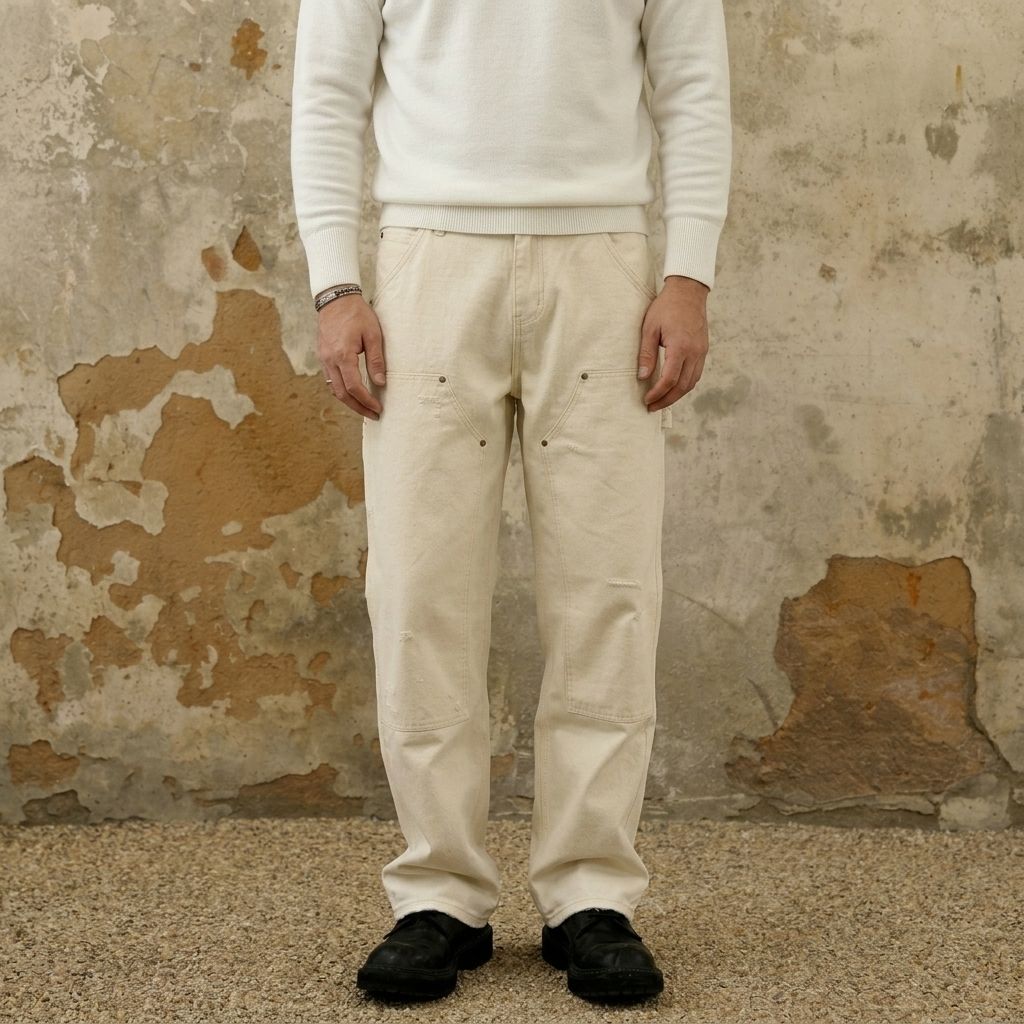

Photos from current listings. Actual item, color, and included accessories may vary.
Loose Fit Cargo Jean Buying Guide
Loose fit cargo jeans combine denim durability with utility pocketing, but the trade-off is fabric weight versus drape: light denim (10–12 oz) drapes loosely but sags and tears at pocket stress points, while heavy denim (14–16 oz) holds a structured silhouette and survives daily wear. The clear decision rule is to choose 13–15 oz cotton denim with bar-tacked pocket corners and a relaxed-but-not-baggy rise; anything under 11 oz or with single-stitched cargo pockets is a fast-fashion compromise.
At a glance
- Category
- Streetwear Apparel
- Last updated
- Nov 26, 2026
Current offers
Highlights
- Denim weight drives longevity: 13–15 oz cotton canvas/denim resists pocket blowout and knee wear, while 10–12 oz feels soft but bags out after a few washes.
- Cargo pocket construction separates durable from disposable: bar-tacked corners, double-needle seams, and reinforced pocket flaps outlast single-stitched patch pockets.
- Loose fit is defined by rise and leg opening, not just waist: a mid-to-high rise with a straight or slightly tapered leg (7–9 in hem) avoids the droopy-crotch look.
- Fabric blend matters: 100% cotton denim breathes and fades naturally; 2–3% elastane adds comfort but accelerates knee bagging and seam stress in loose cuts.
Best use cases
- Best fit: daily streetwear and workwear outfits — pick 14–15 oz rigid denim with gusseted crotch and reinforced cargo pockets for abrasion resistance.
- Best fit: warm-weather casual wear — choose 11–12 oz washed cotton with a relaxed straight leg and no elastane for breathability without sag.
- Wrong fit: performance or hiking use — skip denim entirely; nylon ripstop cargo pants dry faster and weigh less.
- Wrong fit: formal or slim-streetwear looks — a loose cargo jean adds bulk; choose a straight-leg chino or slim tapered denim instead.
Buying tips
- Size by hip and thigh circumference, not waist label: loose fits run 2–4 in larger at the hip, so measure your best-fitting jeans flat and match the hip width.
- Check the hem opening: 7–8 in for a clean straight leg, 8.5–10 in for a true baggy silhouette; anything over 10 in reads as wide-leg, not loose.
- Demand bar-tacked stress points at pocket corners, belt loops, and fly — this single detail predicts whether cargo pockets survive six months of daily wear.
- Prefer 100% cotton or cotton-hemp blends for structure; limit elastane to 2% and avoid 4-way stretch in loose cuts because it collapses the silhouette.
Specs
| Denim Weight | 13–15 oz rigid / 10–12 oz summer |
|---|---|
| Fit Silhouette | Loose straight / tapered 7–9 in hem |
| Fabric Blend | 100% cotton to 98% cotton/2% elastane |
| Pocket Construction | Bar-tacked cargo + double-needle seams |
Related searches
What to check before buying
- Measure your thigh circumference at the widest point and add 2–3 in for a loose fit; compare against the listing's thigh width, not the waist size.
- Confirm the rise: 10.5–12 in mid rise suits most builds; a rise over 13 in creates a drop-crotch effect that shortens the leg line.
- Check fabric weight in ounces per square yard (oz/yd²): 13–15 oz for year-round structure, 10–12 oz for summer, 16 oz+ only for cold weather.
- Verify cargo pocket closure type: flap-and-snap or zipper pockets keep contents secure; open-top pockets dump items when seated.
FAQ
Data sources: eBay / Amazon listings and product attribute feeds. Updated Nov 26, 2026.
Some links on this page are affiliate links. If you buy after clicking one, we may earn a commission at no extra cost to you. This does not change which products appear here or their order. Affiliate disclosure.