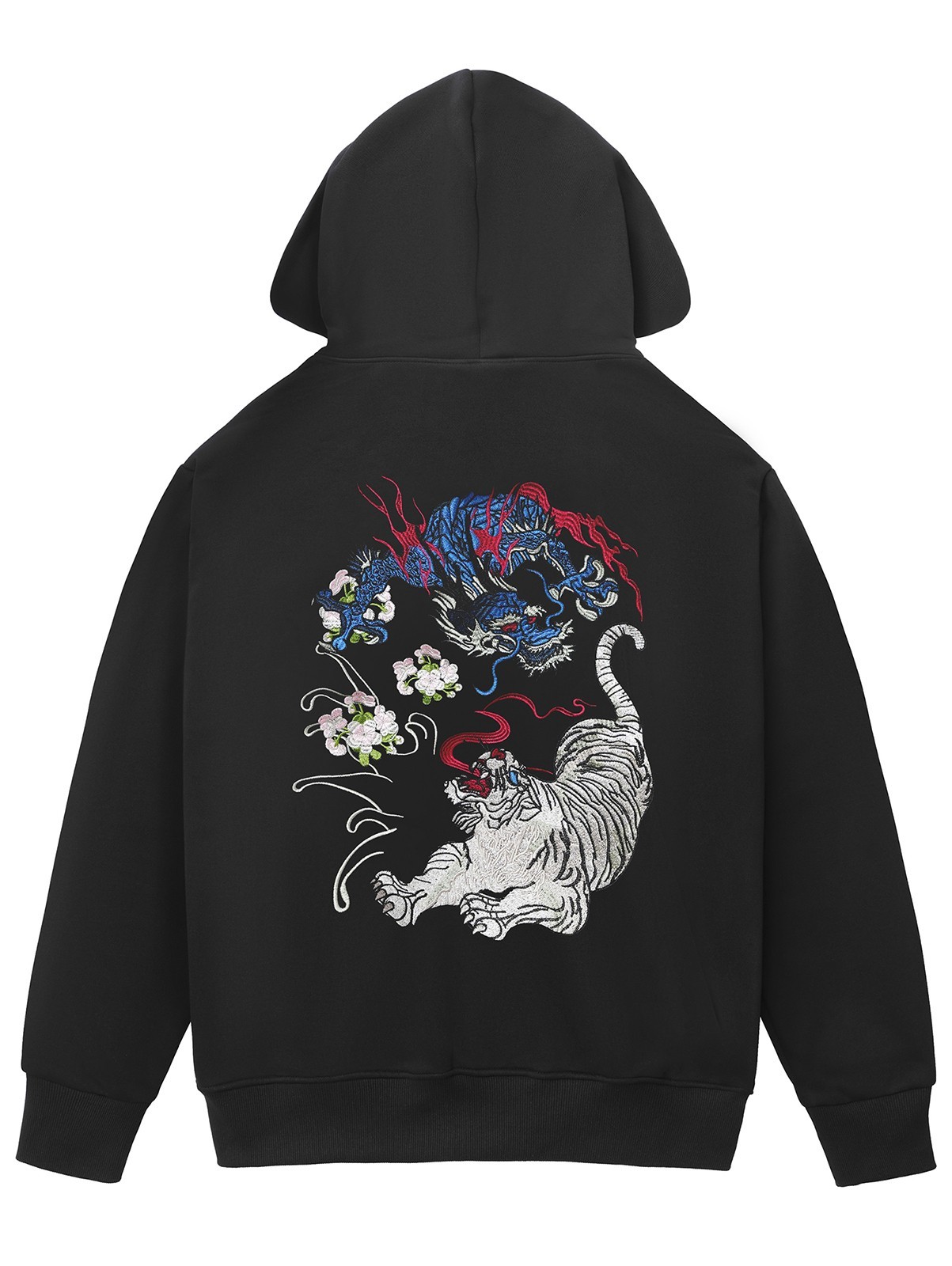

Photos from current listings. Actual item, color, and included accessories may vary.
Niepce Hoodie Buying Guide
The Niepce hoodie is a Japanese streetwear-style zip-up built around dense embroidery and heavyweight cotton fleece, where the core trade-off is fabric weight and embroidery durability versus a lighter, cheaper blank. Durable options use 400–500 GSM loopback or brushed fleece with tight satin-stitch embroidery and metal zippers; compromises use sub-300 GSM terry with loose stitching and plastic coils.
At a glance
- Category
- Streetwear Apparel
- Last updated
- Nov 26, 2026
Current offers
Highlights
- Fabric weight is the primary durability metric: 400–500 GSM cotton fleece holds structure and resists pilling, while sub-300 GSM terry thins and stretches after repeated washing.
- Embroidery quality depends on stitch density and backing: tight satin stitches over a cut-away stabilizer resist fraying, whereas low-density stitching over tear-away backing distorts and pulls.
- Zipper hardware separates tiers: YKK metal or brass zippers with locked sliders outlast plastic coil zippers that crack and separate under stress.
- Construction details that matter: double-needle hemming, ribbed cuffs with elastane, and reinforced shoulder-to-sleeve seams prevent seam blowout in oversized fits.
Best use cases
- Best fit: daily wear in mild-to-cool climates (50–65°F) — choose 400–500 GSM brushed fleece with a metal zipper for warmth and shape retention.
- Best fit: layered streetwear looks over a tee — pick a boxy oversized cut with dropped shoulders and ribbed cuffs to hold the silhouette.
- Wrong fit: high-humidity or hot-weather wear — skip heavy fleece and choose a lightweight 280–320 GSM French terry hoodie instead.
- Wrong fit: frequent machine washing with high heat — avoid low-density embroidery and plastic zippers; specify satin-stitch embroidery and metal hardware or hand-wash cold.
Buying tips
- Match GSM to climate: 400–500 GSM for cool weather and structure; 280–350 GSM terry for layering and warm climates.
- Check embroidery spec: satin-stitch density above 6,000 stitches per design area with cut-away backing holds shape; loose single-stitch designs distort after washing.
- Demand metal zippers: YKK or brass with a locking slider; plastic coil zippers are the first failure point on zip-up hoodies.
- Size by chest and shoulder, not tag: oversized cuts run 2–4 inches larger in chest; measure a well-fitting hoodie flat and compare to a size chart with garment measurements.
Specs
| Fabric Weight | 400–500 GSM fleece / 280–350 GSM terry |
|---|---|
| Embroidery Type | Satin-stitch vs low-density single stitch |
| Zipper Hardware | Metal YKK/brass vs plastic coil |
| Fit | Boxy oversized / dropped shoulder vs regular |
Related searches
What to check before buying
- Measure a well-fitting hoodie flat (pit-to-pit and body length) and compare to the garment size chart, not body measurements.
- Confirm fabric weight in GSM and fiber content — 100% cotton or cotton-poly blend with at least 80% cotton for embroidery stability.
- Check zipper brand and type (metal vs plastic) and whether the slider locks.
- Verify embroidery backing and stitch type; ask for close-up photos of the chest graphic to judge stitch density.
FAQ
Data sources: eBay / Amazon listings and product attribute feeds. Updated Nov 26, 2026.
Some links on this page are affiliate links. If you buy after clicking one, we may earn a commission at no extra cost to you. This does not change which products appear here or their order. Affiliate disclosure.