
Photos from current listings. Actual item, color, and included accessories may vary.
Cycling Sunglasses Buying Guide
Cycling sunglasses are protective eyewear engineered to block wind, UV, and debris while maintaining a stable fit under a helmet. The primary trade-off is lens technology tier (fixed-tint, interchangeable, or photochromic) versus frame weight and ventilation—cheap frames compromise impact resistance and optical clarity. The decision rule: choose polycarbonate lenses with UV400 and a wrap-around profile for any road or trail use; skip any lens without a documented UV400 rating.
At a glance
- Category
- Sunglasses & Eyewear
- Last updated
- Nov 27, 2026
Current offers
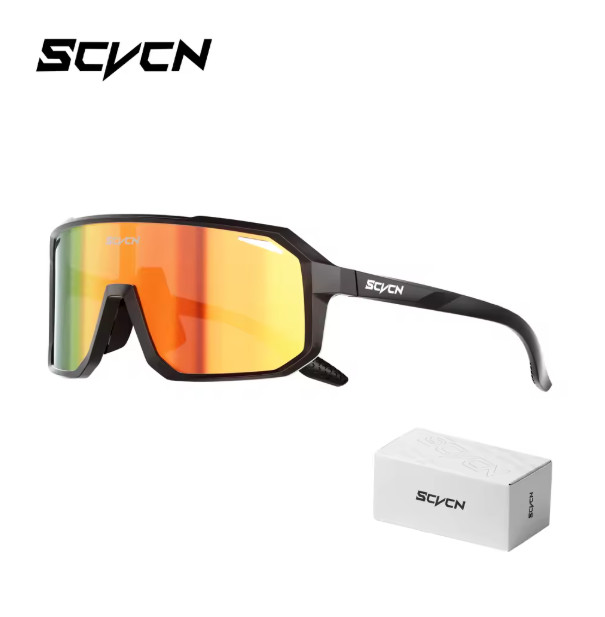 Photochromic UV400 Cycling Sunglasses Outdoor Sports Men Women Road Bike Eyewear$14.99Last checked Nov 19, 2026View on eBay
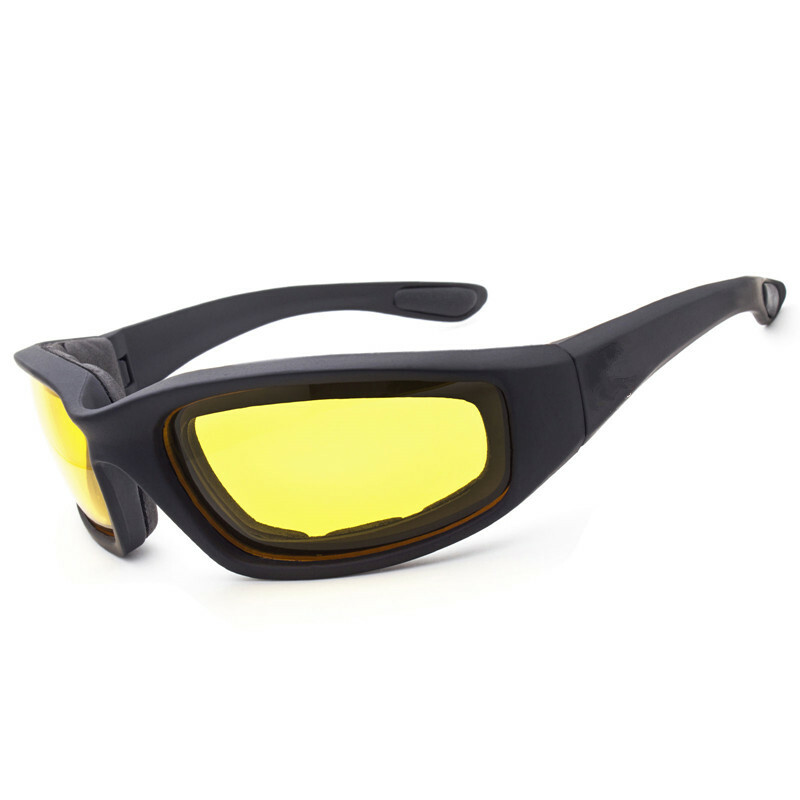 Cycling Sunglasses Chopper Outdoor Sports Glasses For Men Wrap Around UV400 Protection For Fishing Night Driving Wind Resistant Yellow Lens$12.99View on Mallflare
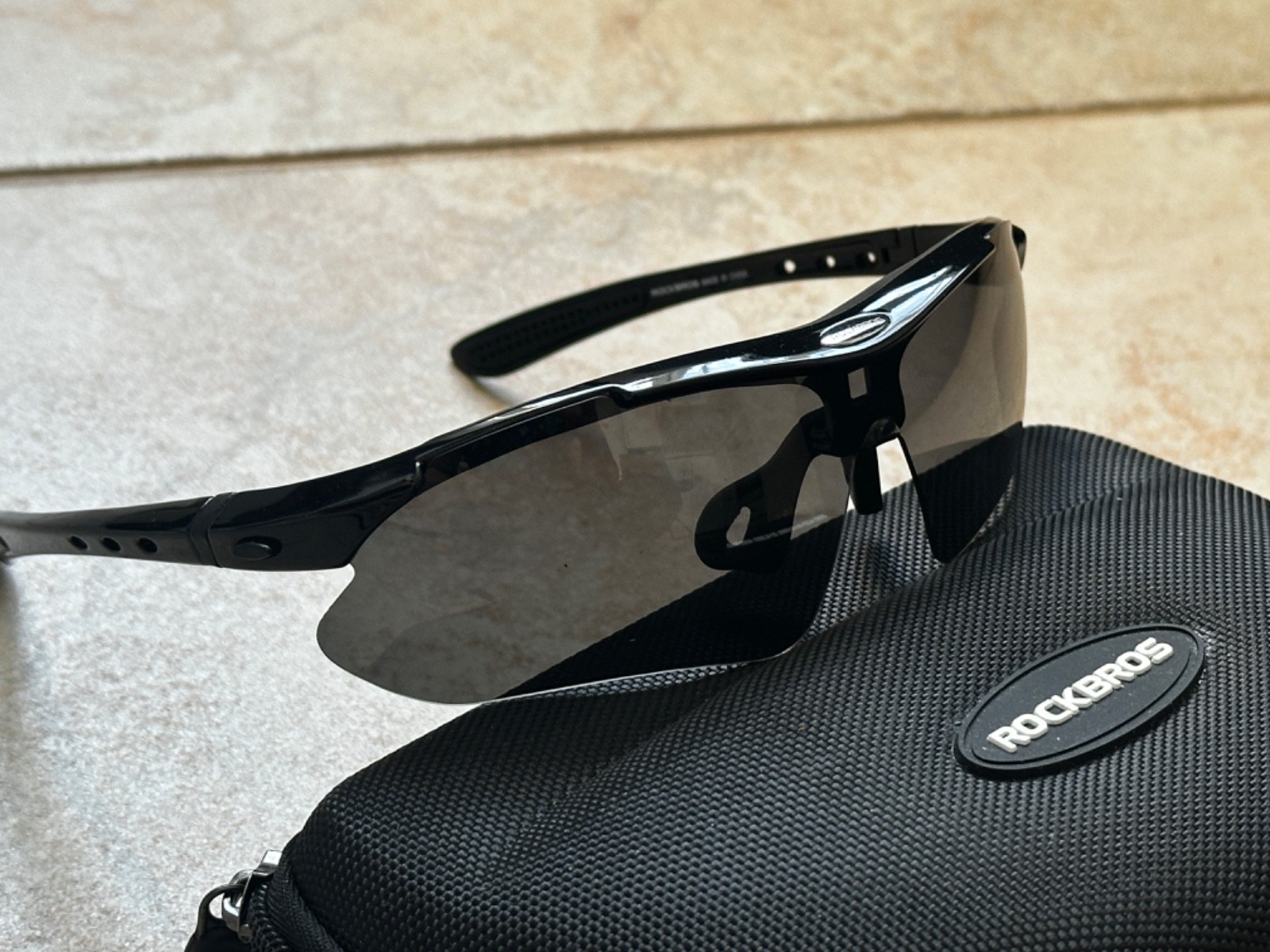 NEW RockBros Cycling Sunglasses Set – Interchangeable Lenses + Case$19.00View on eBay
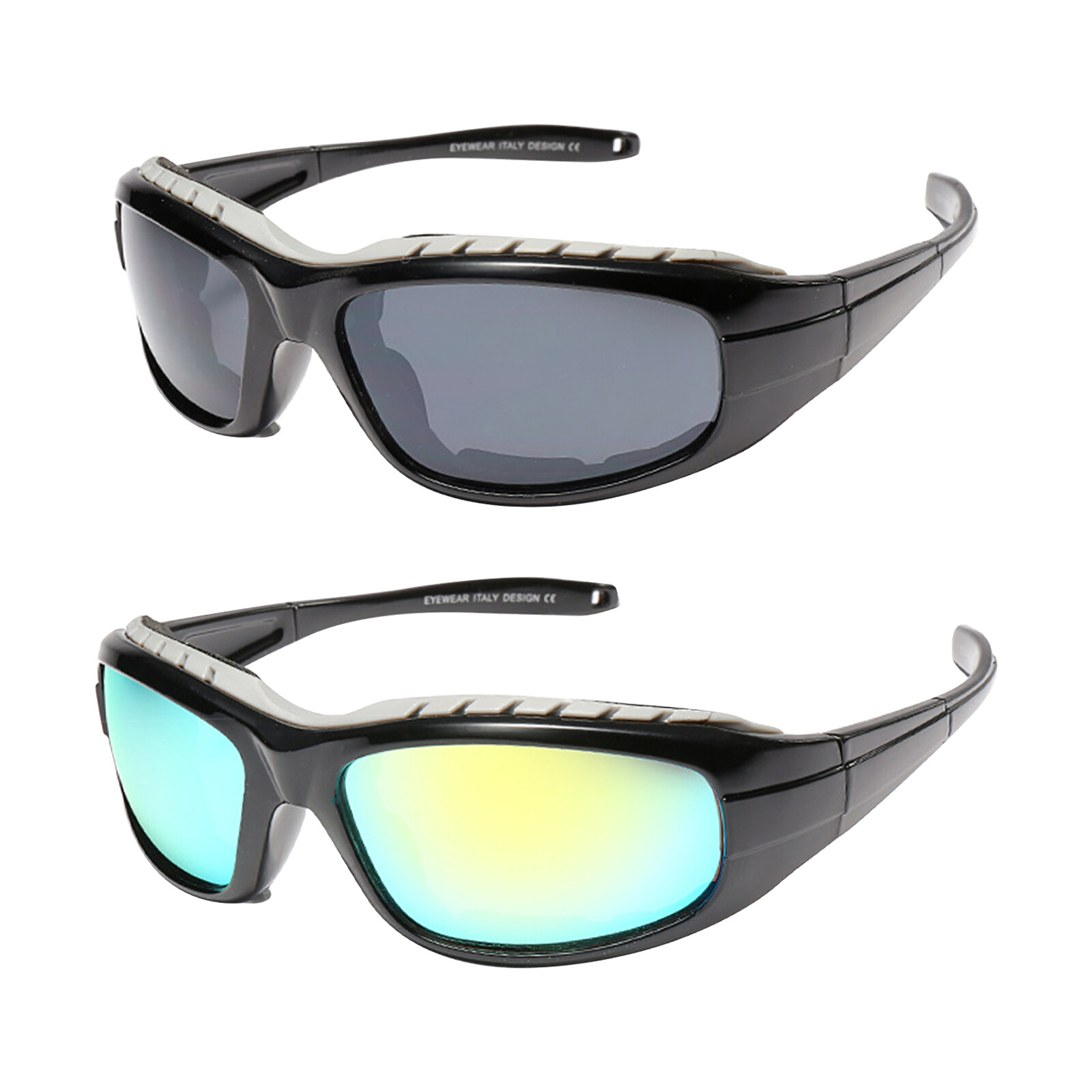 Cycling Sunglasses Chopper Outdoor Sports Glasses For Men Women Wrap Around UV400 Protection For Fishing Night Driving Wind Resistant 2 Packs$13.99View on Mallflare
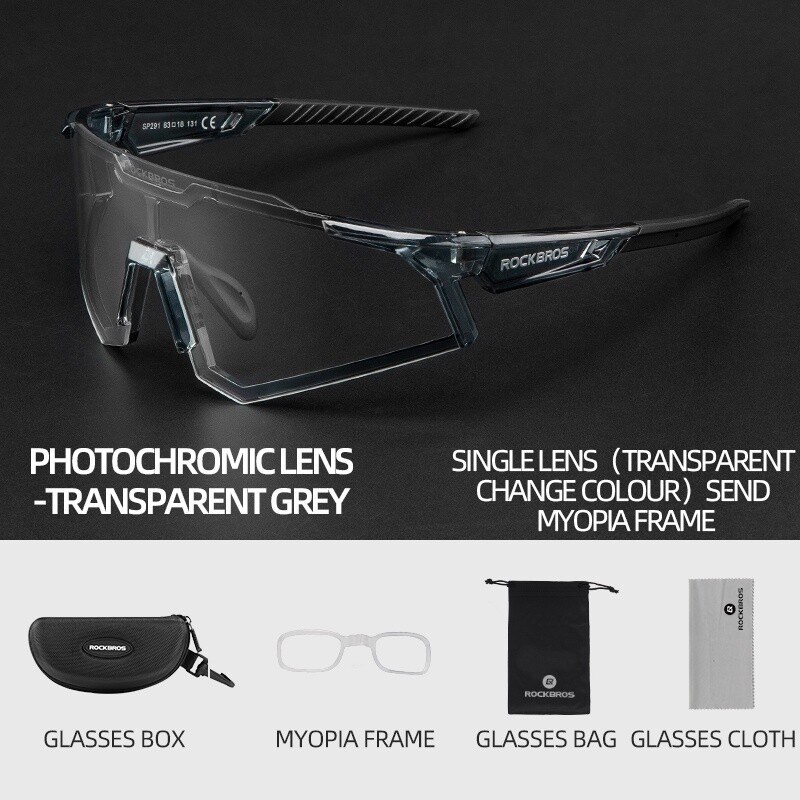 ROCKBROS Photochromic Sports Sunglasses UV Protection for Men Women Cycling$22.09Last checked Nov 25, 2026View on eBay
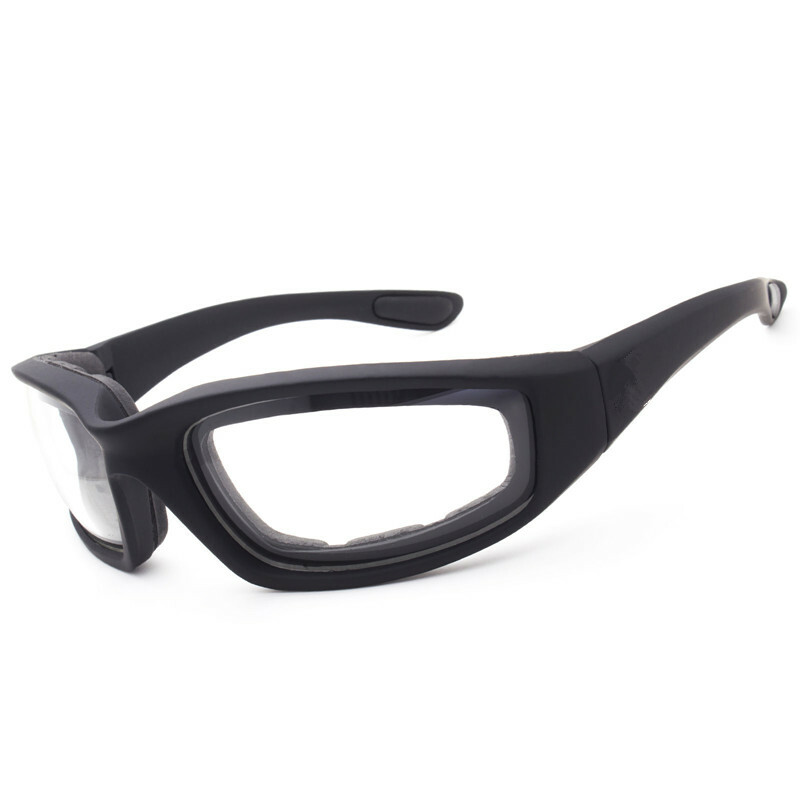 Cycling Sunglasses Chopper Outdoor Sports Glasses For Men Women Wrap Around UV400 Protection For Fishing Driving Windproof Clear Lens$15.99View on Mallflare
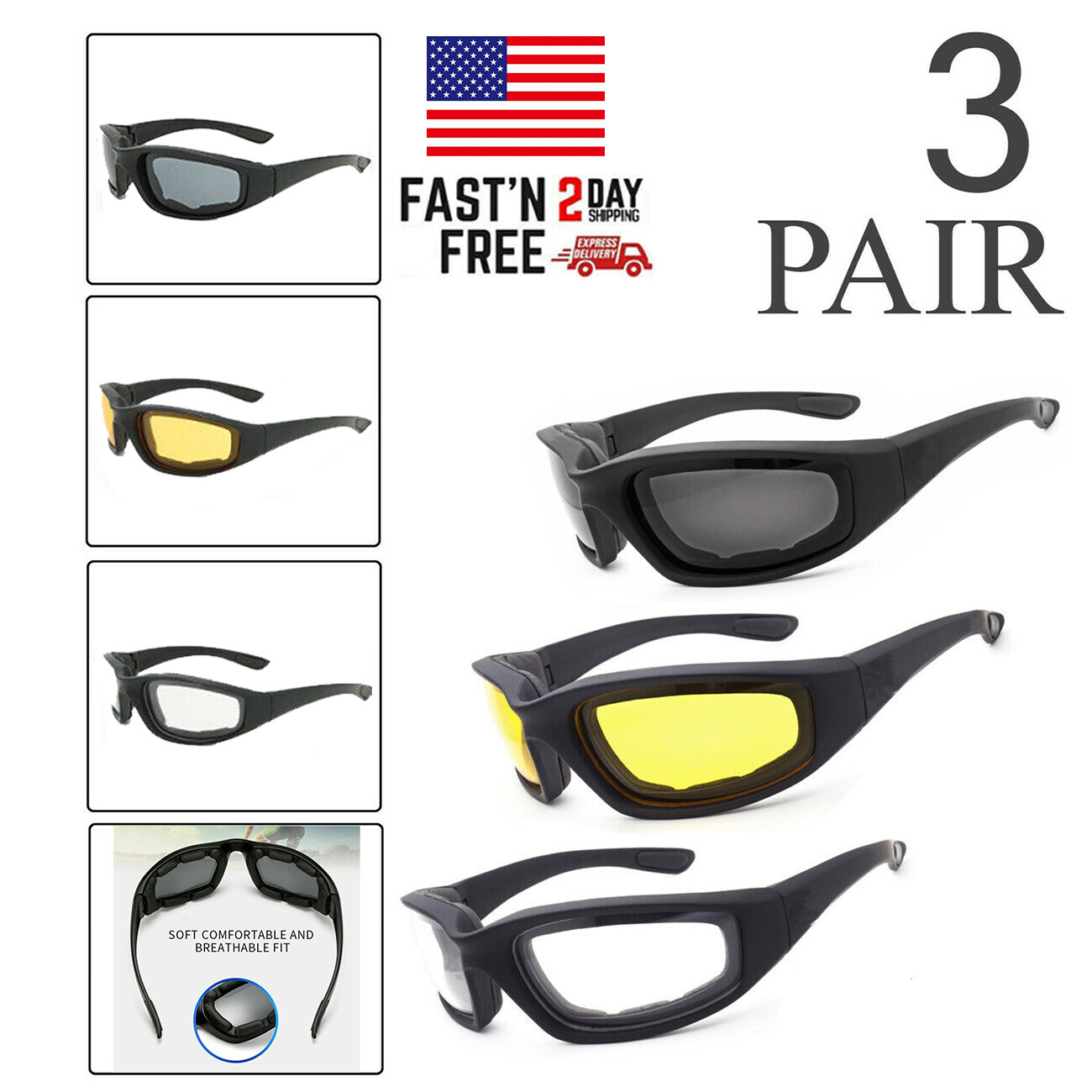 Cycling Sunglasses Chopper Outdoor Sports Glasses For Men Wrap Around UV400 Protection For Fishing Driving Wind Resistant Clear Yellow Gray Lens 3 Pack$19.99View on Mallflare
Highlights
- Lens material: polycarbonate is the impact-resistant standard for cycling; acrylic and generic 'plastic' lenses crack under impact and distort optics.
- Photochromic lenses adjust from clear to dark (typically Cat 1-3) for dawn/dusk and variable light; fixed-tint lenses are darker (Cat 3) but useless at night.
- Interchangeable-lens sets ship 3-5 tints (clear, yellow, smoke) for one frame; photochromic single-lens systems trade versatility for convenience.
- Wrap-around geometry with 8-base curvature blocks wind and peripheral debris; flat frames leave eyes exposed at speed and fail to seal against a helmet.
Best use cases
- Road cycling in mixed light: pick photochromic UV400 lenses so one pair covers dawn starts and bright afternoons without swapping lenses.
- Mountain biking in deep shade or night riding: choose a yellow or clear interchangeable lens in a wrap frame; skip dark smoke tints that kill trail visibility.
- Multi-sport commuting and fishing: a 3-pack or interchangeable set with gray, yellow, and clear lenses covers driving, glare, and low-light use.
- Skip flat, fashion-style frames and any lens without a UV400 label—they offer no wind seal and no verified UV block for cycling speeds.
Buying tips
- Demand UV400 (blocks 99-100% of UVA/UVB up to 400nm); a 'UV protection' claim without UV400 is insufficient for all-day cycling exposure.
- For variable light, photochromic Cat 1-3 covers clear to bright; for fixed use, Cat 3 smoke is the road standard and Cat 0-1 clear/yellow is for night.
- Check frame weight under ~30 g and rubber nose/temple pads—lightweight plastic frames without grippy pads slide on sweat and rough pavement.
- Interchangeable sets must include a hard case and spare lenses; loose lenses scratch and defeat the point of a multi-tint kit.
Specs
| Lens Material | Polycarbonate (impact-rated) vs Acrylic |
|---|---|
| UV Rating | UV400 (99-100% UVA/UVB) |
| Lens System | Photochromic / Interchangeable / Fixed |
| Frame Style | Wrap-around 8-base vs Flat |
Related searches
What to check before buying
- Measure helmet-to-face gap and temple width: wrap frames must sit flush under the helmet rim without pressure points.
- Confirm lens category matches your light conditions: Cat 3 for daylight road, Cat 1-2 or photochromic for mixed, Cat 0-1 for night.
- Verify UV400 marking and anti-fog coating on the lens; anti-fog is essential for humid climbs and cold descents.
- For prescription wearers, check frame compatibility with Rx inserts or order prescription-specific wrap frames; standard frames won't take inserts.
FAQ
Data sources: eBay / Amazon listings and product attribute feeds. Updated Nov 27, 2026.
Some links on this page are affiliate links. If you buy after clicking one, we may earn a commission at no extra cost to you. This does not change which products appear here or their order. Affiliate disclosure.