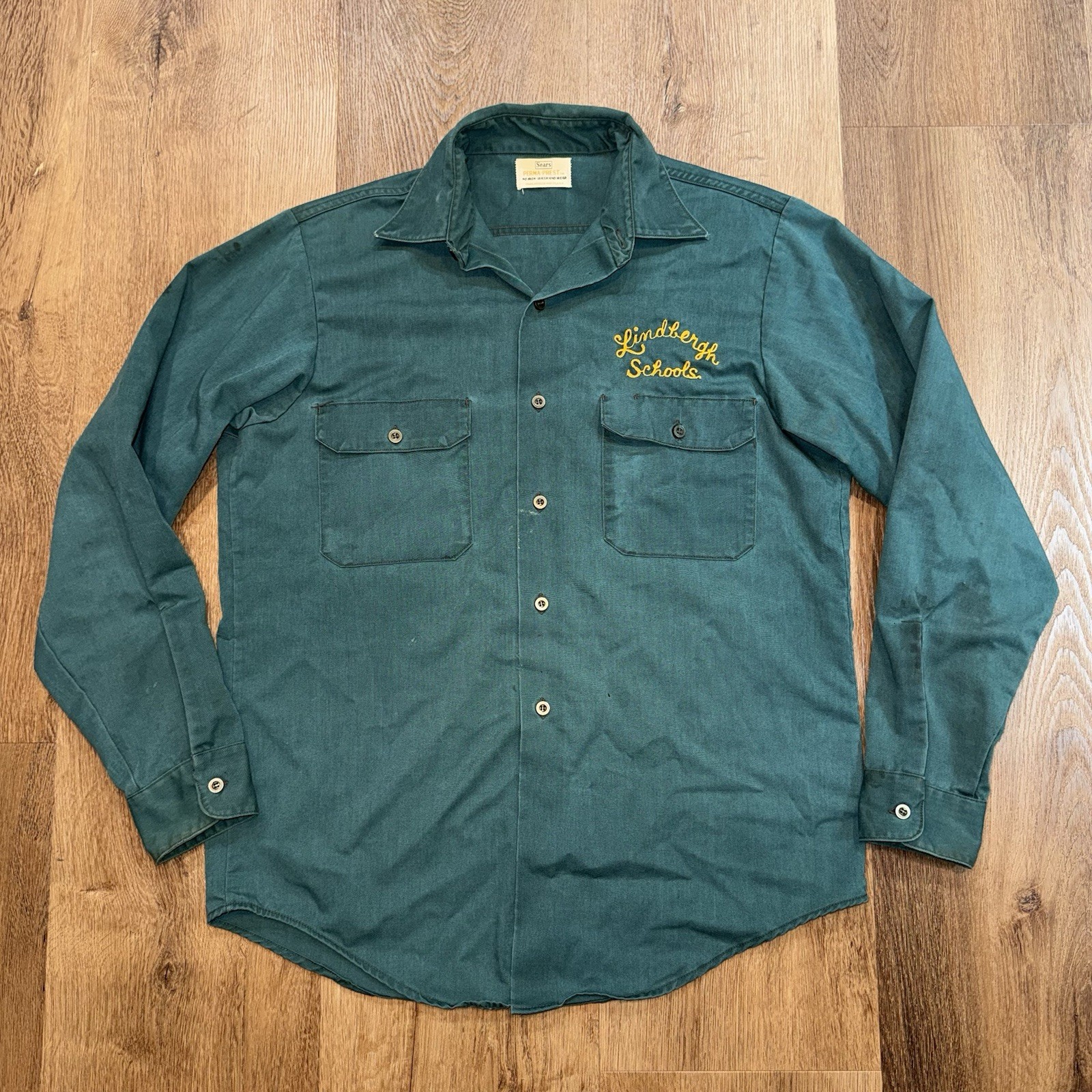

Photos from current listings. Actual item, color, and included accessories may vary.
Work Clothe Men Buying Guide
Work clothes for men span modern utility garments to vintage collectibles, with the key trade-off being fabric durability and construction versus historical rarity or fit. Modern workwear prioritizes abrasion resistance and repairability, while vintage pieces are valued for chain-stitch construction and selvedge fabrics but often carry sizing quirks. The decision rule: buy modern for daily hard use, vintage only for collection or authentic period style.
At a glance
- Category
- Workwear, Specialty & Vintage
- Last updated
- Nov 26, 2026
Current offers
Highlights
- Vintage chain-stitch shirts use continuous thread from hem to collar, resisting seam failure but requiring careful cold washing to avoid shrinkage.
- Modern work shirts typically use 7–8 oz cotton twill or 10 oz duck canvas; lighter weights under 6 oz wear faster in abrasion zones.
- Bar-tacked stress points at pockets and crotch seams are the key durability marker for modern work pants and shirts.
- Vintage sizes run 1–2 inches smaller than modern equivalents; a 1950s size Medium fits closer to today's Small.
Best use cases
- Daily job-site wear: choose modern 10 oz duck or 7 oz twill with reinforced knees and bar-tacked pockets; skip vintage, which lacks abrasion ratings.
- Collecting authentic mid-century workwear: pick chain-stitch Sears or similar US-made pieces with intact labels and no mothing; skip reproductions if provenance matters.
- Casual heritage styling: size up vintage shirts by one full size for a relaxed fit; skip modern slim cuts if you want period-correct drape.
- Harsh cold-weather outdoor work: layer a modern insulated canvas jacket over a 6–8 oz base; skip lightweight vintage shirts as primary insulation.
Buying tips
- For modern work shirts, demand at least 7 oz cotton twill or 10 oz canvas; anything under 6 oz is fashion-weight and will abrade quickly.
- Check stress-point reinforcement: bar tacks at pocket corners and crotch seams separate true workwear from casual look-alikes.
- When buying vintage, measure a known-good shirt pit-to-pit and compare; 1950s–60s size Medium typically measures 20–21 inches pit-to-pit.
- Look for chain-stitch or double-needle felled seams on vintage pieces; single-needle overlock seams signal lower-quality construction.
Specs
| Fabric Weight | 7–10 oz work grade; <6 oz fashion |
|---|---|
| Seam Construction | Chain-stitch / double-needle felled |
| Stress Reinforcement | Bar tacks at pockets and seams |
| Sizing Basis | Pit-to-pit measure; vintage runs 1–2 small |
Related searches
What to check before buying
- Measure your chest and compare to the garment's pit-to-pit measurement doubled; vintage sizing runs 1–2 sizes small.
- Confirm fabric weight in ounces per square yard; work-grade shirting starts at 7 oz.
- Check stress-point reinforcement—bar tacks at pocket corners, crotch, and belt loops—before committing to daily wear.
- For vintage purchases, verify label presence and seam type; missing labels or overlock seams indicate alterations or lower-tier construction.
FAQ
Data sources: eBay / Amazon listings and product attribute feeds. Updated Nov 26, 2026.
Some links on this page are affiliate links. If you buy after clicking one, we may earn a commission at no extra cost to you. This does not change which products appear here or their order. Affiliate disclosure.