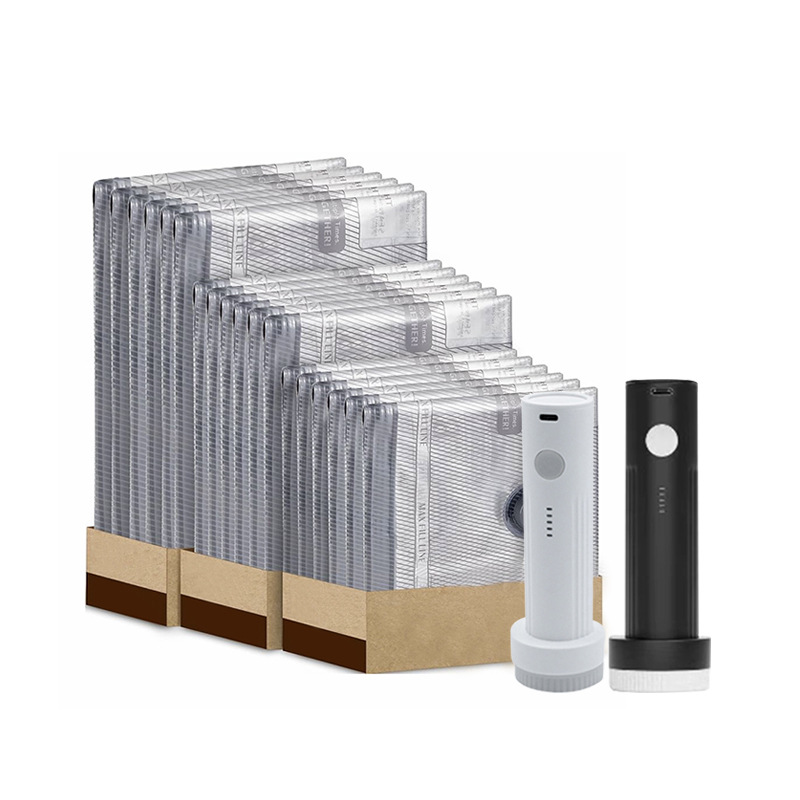

Photos from current listings. Actual item, color, and included accessories may vary.
Compression Bag Buying Guide
Compression bags for travel are flexible organizers that reduce packed volume by expelling air through one-way valves, roll-up compression, or dual-zipper compression panels—without requiring a vacuum. The core trade-off is compression ratio versus fabric durability and valve reliability: thin 70D nylon saves space but punctures easily, while 210D ripstop and reinforced dual-zipper systems hold higher pressure and survive repeated trips. Choose a roll-up or dual-zipper compression cube rated for carry-on dimensions if you need repeatable, damage-resistant compression; skip single-layer budget bags with glued valves if you pack abrasive gear or travel frequently.
At a glance
- Category
- Packing Cubes & Organizers
- Last updated
- Nov 26, 2026
Current offers
Highlights
- Compression mechanism determines reliability: dual-zipper compression panels (two parallel zippers pulled together) are the most durable for soft goods, while roll-up valve bags achieve higher ratios on clothing but stress the laminate at the valve seam.
- Fabric grade separates tiers: 70D nylon/polyester is lightweight but prone to puncture and seam creep; 210D ripstop nylon with bar-tacked stress points survives repeated overpacking and airport handling.
- One-way valve quality is the failure point on roll-up bags: welded TPU valves with a silicone flapper hold vacuum for multi-day trips; glued or press-fit valves leak within hours and are not repairable.
- Sizing must match airline carry-on envelopes: compression cubes sized to 15×11×4 in (expanded) fit standard 22×14×9 in carry-ons; oversize bags exceed cabin limits once compressed and stiffened.
Best use cases
- Best fit: frequent flyers packing bulky soft clothing (fleece, down, cotton tees) should choose a 210D ripstop dual-zipper compression cube set sized to carry-on dimensions—this holds compression over repeated trips and resists abrasion from zippers and buckles.
- Best fit: backpackers and camping travelers compressing sleeping bags or insulated jackets should pick roll-up valve bags with welded TPU valves and 70D–100D ripstop shells, accepting lighter fabric in exchange for higher compression ratios in a frameless pack.
- Wrong fit: travelers packing structured items (shoes, toiletry kits, electronics) should skip compression bags entirely—rigid contents prevent air evacuation, stress zippers, and gain no volume benefit; use standard packing cubes or organizers instead.
- Wrong fit: buyers wanting vacuum-level compression for bedding or seasonal storage should not buy travel compression bags—their valves and fabrics are not rated for sustained vacuum pressure; choose dedicated vacuum storage bags with a pump or hose adapter.
Buying tips
- Match bag dimensions to your luggage: a 15×11×4 in expanded compression cube compresses to roughly 15×11×2.5 in, so two stacked cubes consume about 5 in of a 9 in carry-on depth—measure your bag's internal depth before buying a set.
- Prioritize zipper hardware: look for #5 or larger nylon coil zippers with reverse-coil sliders on compression panels; #3 zippers and non-locking sliders are the first failure point under compression load.
- Check fabric denier and coating: 210D ripstop nylon with polyurethane (PU) coating balances puncture resistance and packability; 70D uncoated nylon saves grams but wets through and abrades at folds within a few trips.
- Verify valve construction on roll-up bags: welded TPU or silicone one-way valves with a visible flapper seat hold pressure; press-fit or glued valves are not field-repairable and leak within hours under load.
Specs
| Compression Method | Roll-up valve / Dual-zipper / Cube zip |
|---|---|
| Fabric Grade | 70D nylon to 210D ripstop |
| Valve Type | Welded TPU vs glued press-fit |
| Zipper Hardware | #5+ reverse-coil vs #3 standard |
Related searches
What to check before buying
- Measure your carry-on or backpack internal dimensions and confirm the compressed (not expanded) cube dimensions fit with at least 0.5 in clearance for zipper operation.
- Confirm your packing list is compressible soft goods—rigid items like shoes or toiletry kits negate compression and stress zippers.
- For roll-up bags, check valve type and repairability: welded TPU valves are preferred; ensure a spare valve or repair patch is included.
- Verify zipper size and slider type (#5+ reverse-coil) and that stress points are bar-tacked or reinforced at handles and seams.
FAQ
Data sources: eBay / Amazon listings and product attribute feeds. Updated Nov 26, 2026.
Some links on this page are affiliate links. If you buy after clicking one, we may earn a commission at no extra cost to you. This does not change which products appear here or their order. Affiliate disclosure.