
Photos from current listings. Actual item, color, and included accessories may vary.
Small Shoe Bench Buying Guide
A small shoe bench is a compact entryway seat-and-storage hybrid, typically 24–36 inches wide, that solves the 'sit to tie shoes without swallowing the hallway' problem. The core trade-off is between structural rigidity (solid wood or welded steel frame vs. cam-lock particleboard) and true usable storage depth (10–14 inch interior vs. shallow 8-inch cubbies that only fit flats). The decision rule: buy a bench rated for at least 250 lbs with a rigid frame and interior depth ≥11 inches if you need daily seating and shoe coverage; skip anything under 150 lbs capacity or with open-back slat construction for heavy use.
At a glance
- Category
- Shoe Storage & Display
- Last updated
- Nov 27, 2026
Current offers
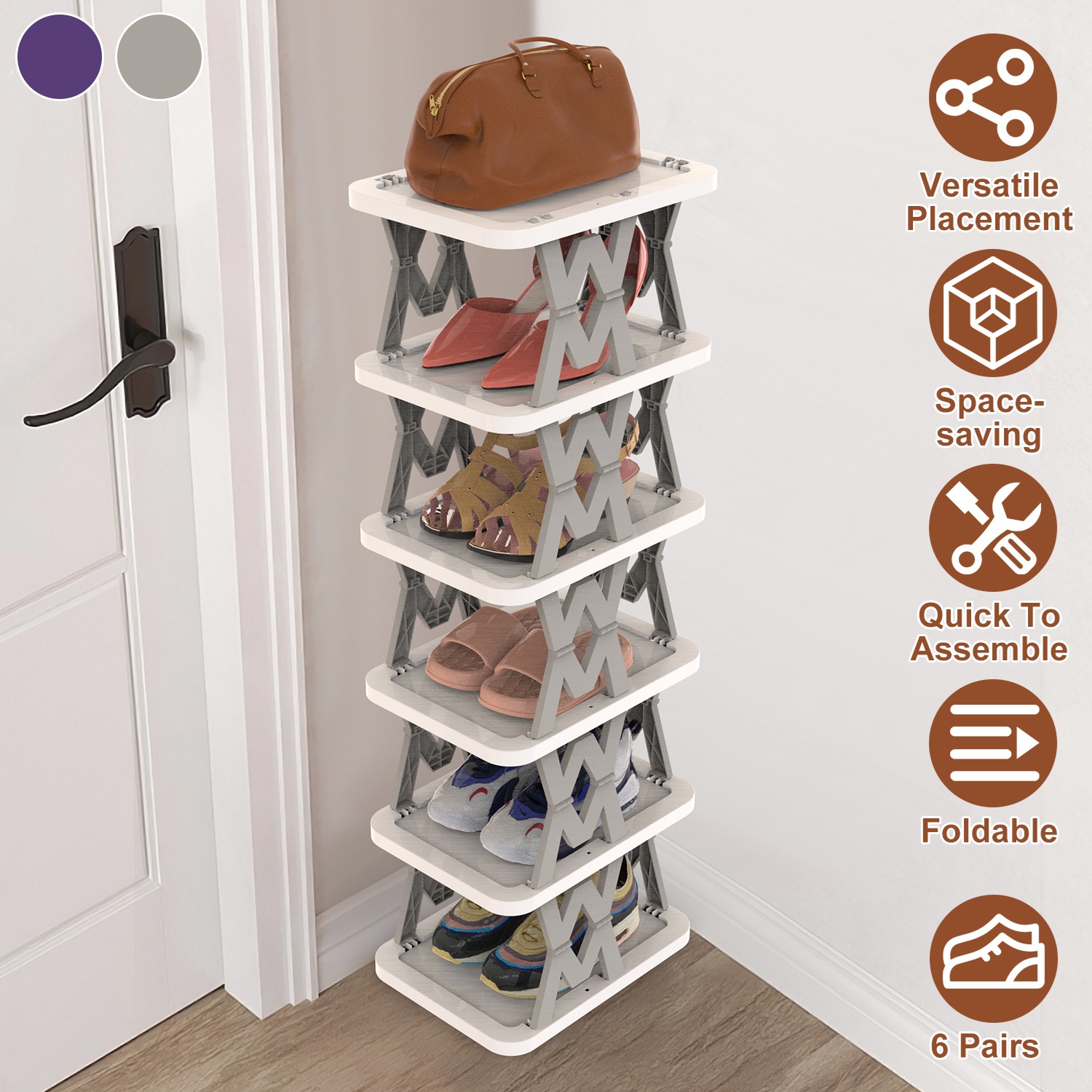 6 Tier Foldable Shoe Rack Vertical Organizer Narrow for Small Spaces Space Saving Free Standing for Corner Entryway Hallway Bedroom$56.99View on Mallflare
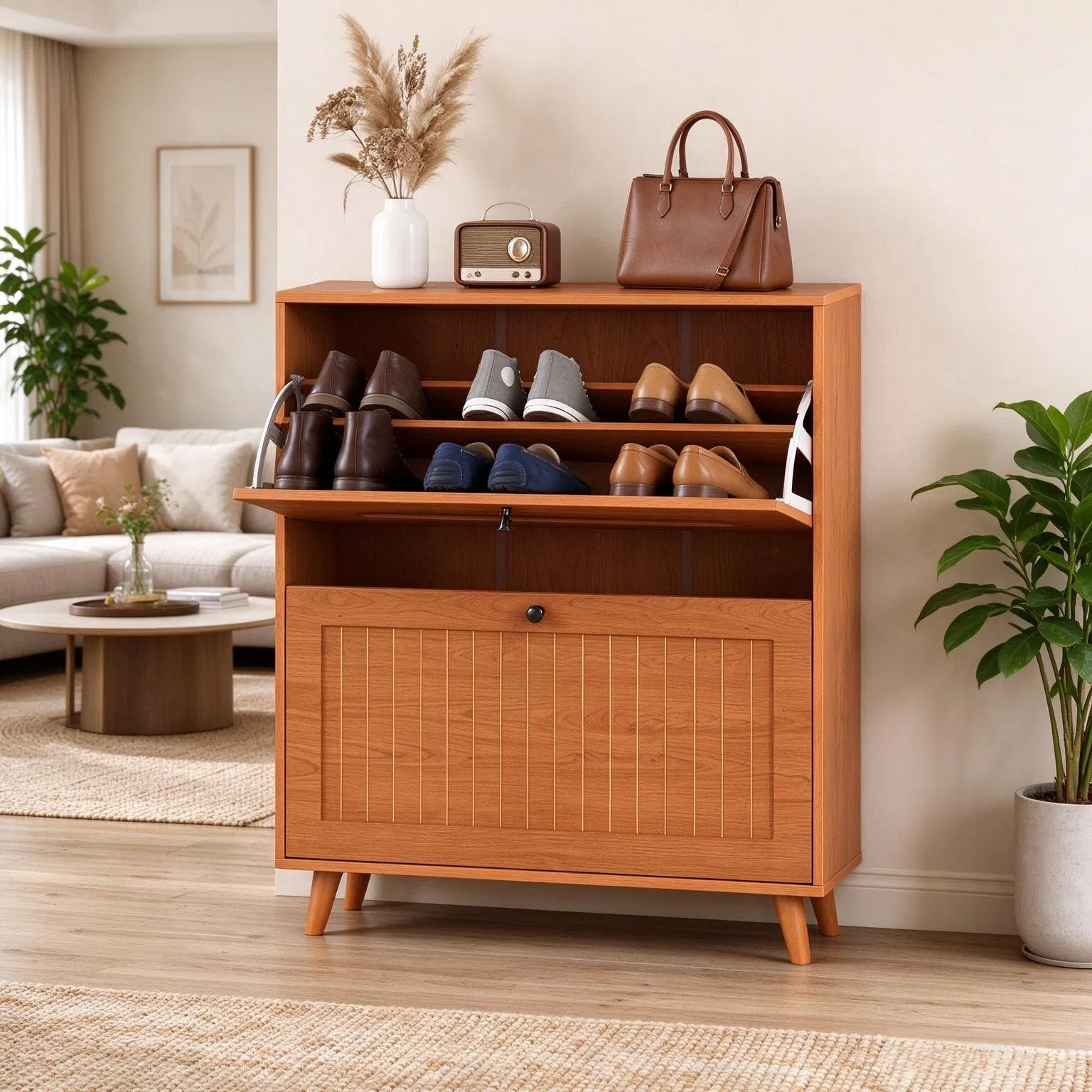 Narrow Shoe Cabinet for Entryway Foyer with Adjustable Removable Shelves Storage Organizer for Small Spaces$151.99View on Mallflare
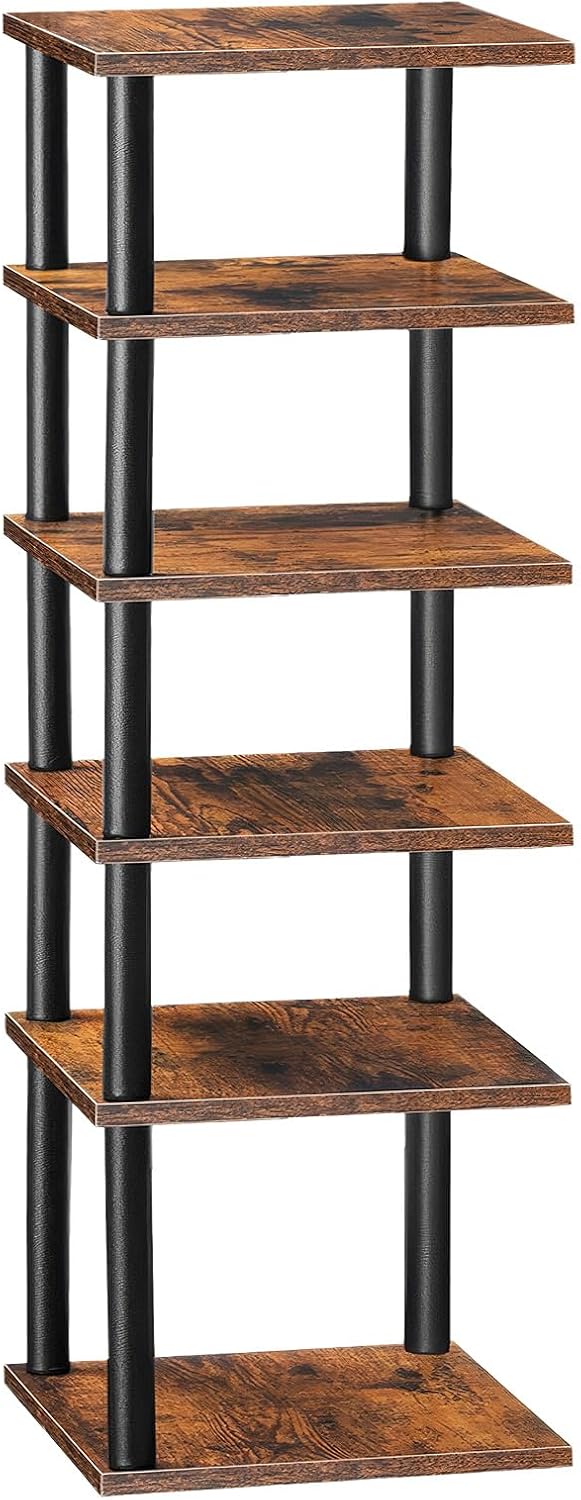 Vertical Shoe Rack, 6-Tier Narrow Shelf, Storage Organizer For Small Space, 11 L X 11 W X 39.5 H, Closet, Entryway, Hallway, Bedroom, Rustic Brown And Black$195.99View on Mallflare
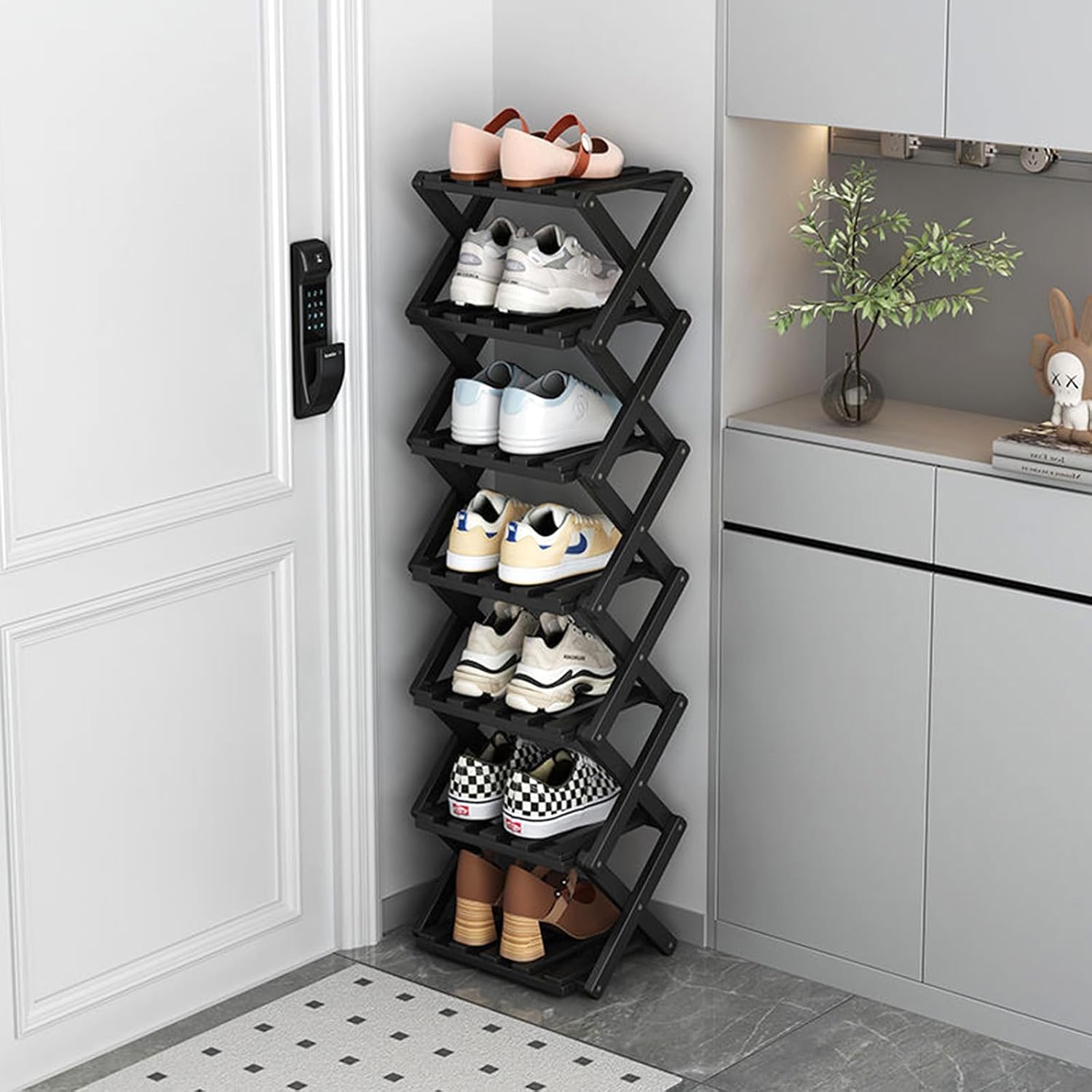 Vertical Narrow Shoe Rack Black, 7 Tier Portable Folding Storage Without Installation Free Standing For Corridors, Bedrooms Living Room Corner And Small Spaces$225.99View on Mallflare
Highlights
- Frame construction separates tiers: solid hardwood or powder-coated steel frames hold 300–500 lbs, while particleboard with cam locks typically maxes at 150–200 lbs and loosens under daily sitting.
- Interior cubby depth is the hidden dealbreaker—11–14 inches fits men's size 12 sneakers; 8–9 inch depths only accommodate flats, sandals, and children's shoes.
- Load ratings on the seat lid vs. the base differ: a 300-lb bench with a 50-lb lid hinge will fail at the hinge first, so look for metal pivot hinges or gas struts rated near the seat capacity.
- Small benches split into three architectures: lidded storage benches (best for bulky shoes), open cubby benches (fastest access, worst for dust), and bench-with-boot-tray (best for wet climates, limited to 2–3 pairs).
Best use cases
- Best fit: a 30–36 inch lidded bench with 12-inch interior depth for a 3–4 person household needing to hide 6–8 pairs of adult shoes in a hallway under 40 inches wide.
- Wrong fit: open-back slat benches in unheated mudrooms—they rack and wobble within a season and offer zero dust or odor containment; choose a solid-panel back or steel frame instead.
- Best fit: a 24-inch bench with a boot tray shelf for apartment entries or wet climates where 2–3 pairs of tall boots need drainage and drip containment.
- Wrong fit: a 150-lb-rated particleboard bench for a household with adults over 200 lbs or kids who jump on furniture—step up to a 300-lb solid wood or steel frame.
Buying tips
- Measure your hallway width and subtract 36 inches for door swing; a bench deeper than 15 inches will block standard 32-inch doorways when placed perpendicular.
- Match interior depth to your largest shoe: men's size 12 sneakers need 12.5–13 inches; women's size 10 heels need 11 inches; verify interior depth, not exterior depth.
- For seating comfort, seat height should be 16–18 inches from floor—standard chair height—so adults can tie shoes without knee strain; benches under 14 inches are for children or decor only.
- Check the weight capacity rating on the seat, not the shelf: 250 lbs minimum for daily adult use; 300–500 lbs for solid wood or welded steel frames; particleboard cam-lock benches typically top out at 200 lbs.
Specs
| Frame Material | Solid wood / steel vs particleboard |
|---|---|
| Weight Capacity | 250–500 lbs (daily adult use) |
| Interior Cubby Depth | 11–14 in (fits size 12 men's) |
| Seat Height | 16–18 in (standard chair height) |
Related searches
What to check before buying
- Measure entry width, door swing clearance, and the longest wall segment where the bench will sit; confirm the bench footprint leaves at least 30 inches of walkway.
- Verify your largest shoe length (men's 12 ≈ 12.5 in, women's 10 ≈ 10.5 in) against the listed interior cubby depth—exterior depth minus 1.5–2 inches for panels and lid clearance.
- Confirm floor type and climate: wet mudrooms need raised feet or a drip tray; carpeted floors need felt pads or wide glides to prevent rocking on pile.
- Check assembly hardware spec: metal cam locks and dowels vs. plastic; solid wood or steel frames ship with bolts and Allen keys—particleboard with plastic locks will loosen after repeated sitting.
FAQ
Data sources: eBay / Amazon listings and product attribute feeds. Updated Nov 27, 2026.
Some links on this page are affiliate links. If you buy after clicking one, we may earn a commission at no extra cost to you. This does not change which products appear here or their order. Affiliate disclosure.