CarryField Guide

CarryField Guide

Fashion, Bags & Luggage Reviews & Buying Guides

Compare fashion, bags & luggage by use case, features, trade-offs, price, returns, and seller terms before you buy.

Buying guides

Buying guide image
Shoe Storage & Display

Shoe Storage

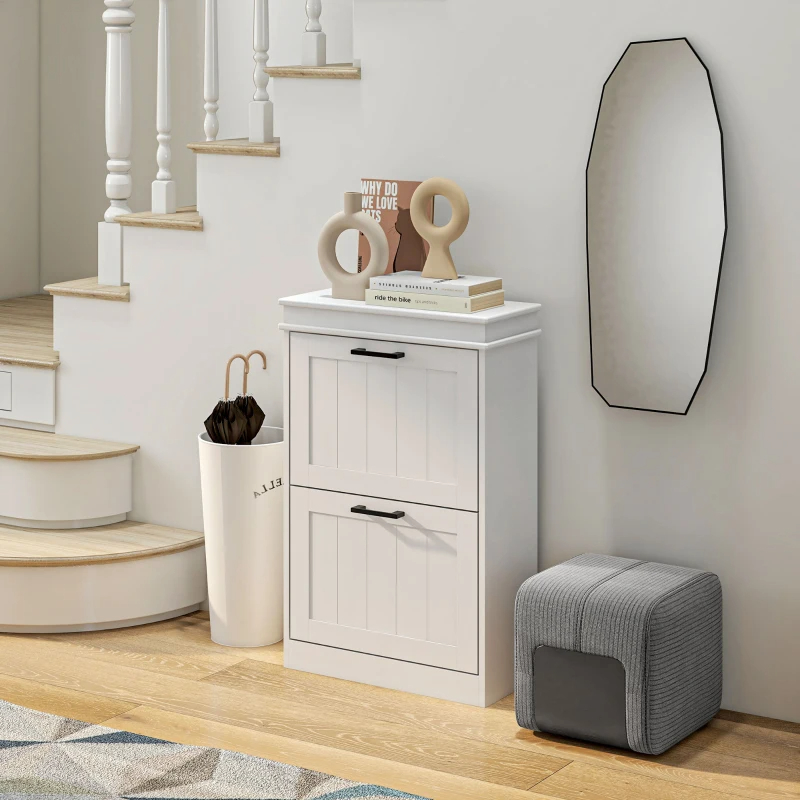
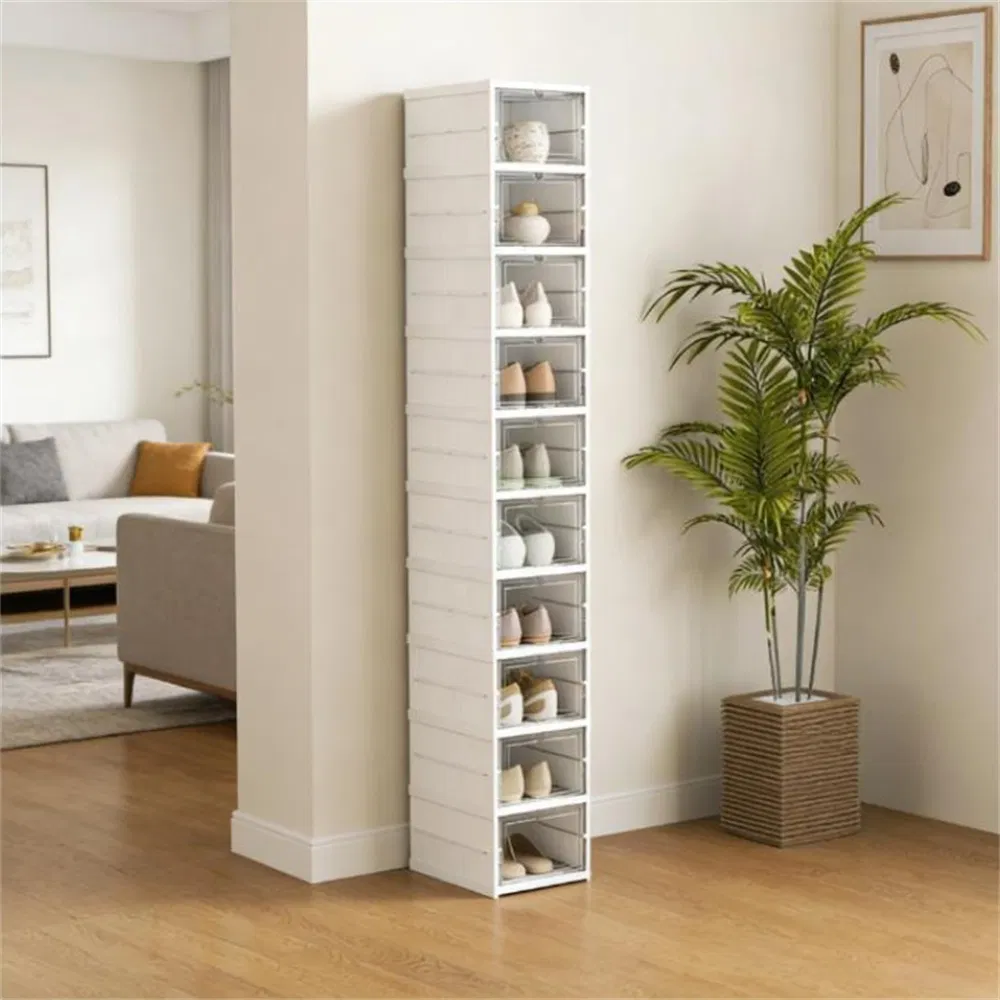
Shoe storage spans open racks, stackable shelving, flip-drawer cabinets, and entryway benches; the core trade-off is accessibility and airflow versus dust protection and enclosure, with frame rigidity and per-pair footprint capacity determining real durability. Open racks and tiered shelves suit daily rotation in closets and mudrooms, while enclosed flip-drawer or shutter-door cabinets protect shoes but demand extra depth clearance. Buy enclosed tiers only when door swing or flip-down clearance is verified; otherwise choose open racks or benches with hidden compartments.
Buying guide image
Shoe Storage & Display

Shoe Organizer

Shoe organizers are space-allocating systems—racks, boxes, cabinets, or over-door pockets—that trade accessibility against density. The core trade-off is open-air vs. enclosed storage: open racks maximize airflow and visibility but expose shoes to dust; enclosed cabinets and boxes protect footwear but need clearance and ventilation. Choose based on door swing, floor area, and whether you need display or concealment—never buy a depth that blocks a walkway or a height that exceeds reach.

Buying guide image
Shoe Storage & Display

Shoe Rack With Doors

A shoe rack with doors is a closed storage cabinet that protects footwear from dust and visual clutter while providing stackable or shelving-based organization. The decisive trade-off is door material and frame construction: rigid panel doors (wood, metal, rattan) on a reinforced frame resist sagging and daily use, while fabric or thin plastic roll-up doors are lightweight dust covers that degrade under load and humidity. Buy rigid-door cabinets with a stated per-shelf or total weight capacity for daily entryway use; treat fabric-cover and modular plastic cube tiers as bedroom-closet or seasonal-storage compromises.

Buying guide image
Shoe Storage & Display

Shoe Rack

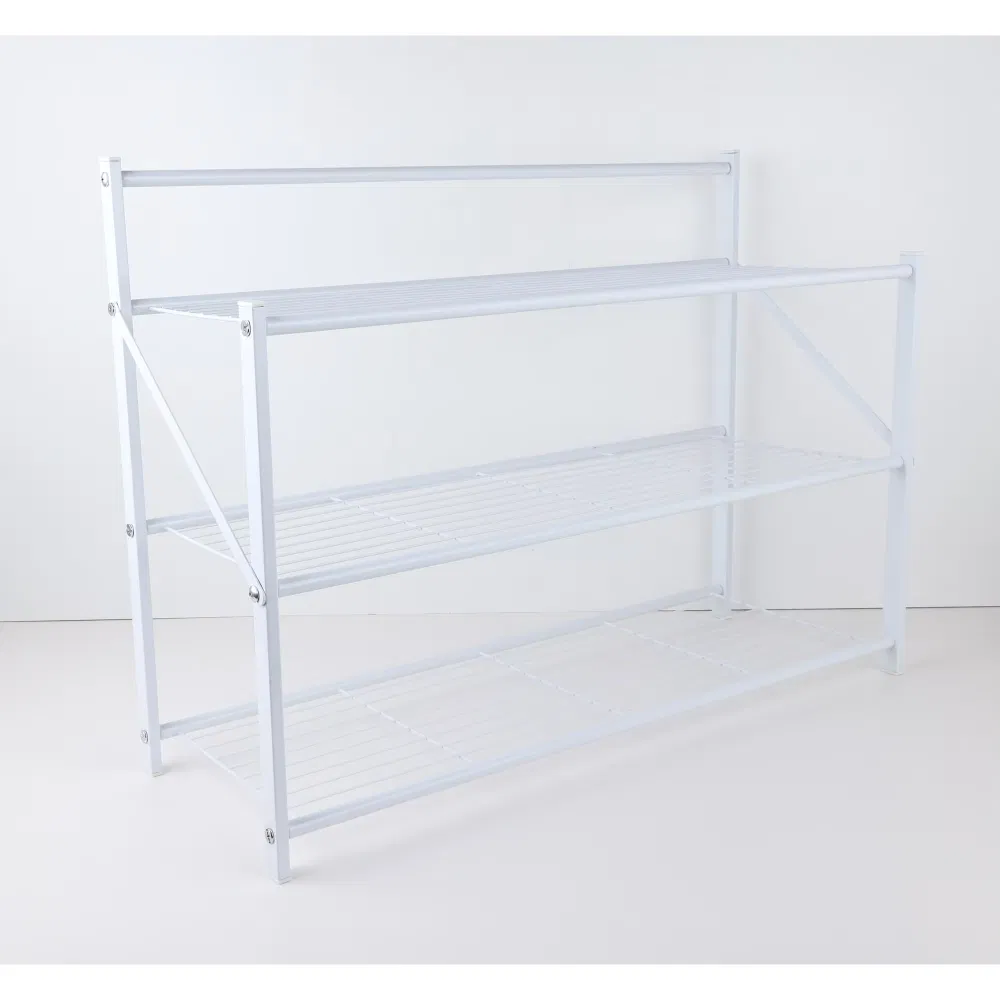
A shoe rack is a freestanding or stackable storage system that organizes footwear by tiers, boxes, or over-door panels. The core trade-off is frame stiffness and shelf load rating versus footprint depth: steel and solid-wood frames hold 30–50 lb per shelf, while plastic and fabric tiers sag past 10–15 lb. Buy steel or solid wood for daily adult shoes and garage use; choose fabric or plastic only for lightweight kids' shoes or temporary closets.

Buying guide image
Travel Luggage

Luggage Set

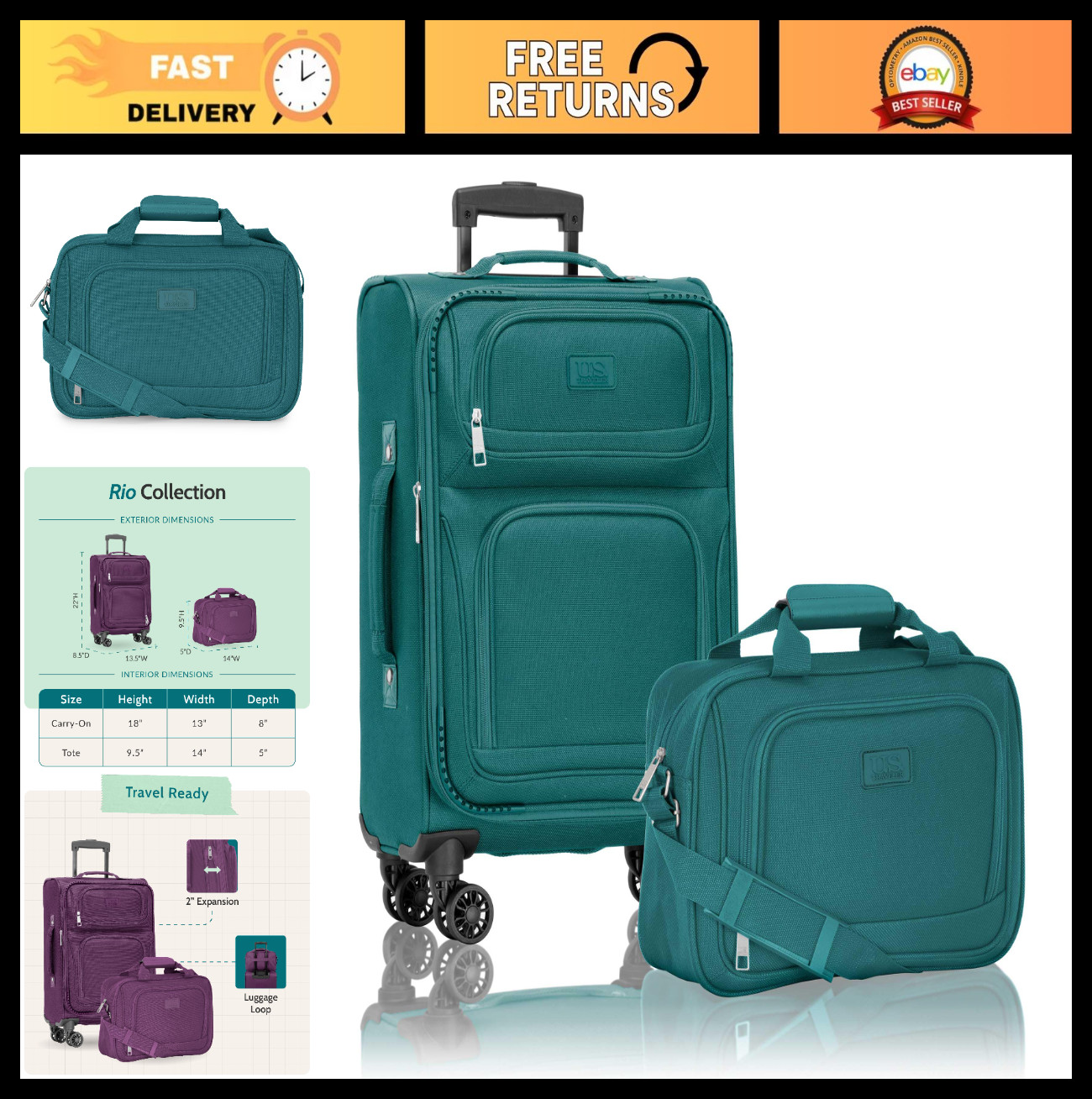
A luggage set bundles multiple case sizes—typically carry-on plus checked—so one purchase covers short trips and long hauls, but the real divider is shell material and wheel/corner construction: polycarbonate flexes and absorbs impact, while ABS is stiffer and prone to cracking, and fabric/softside trades water resistance for external pocket access. Buy polycarbonate or ABS+PC blends with steel or reinforced corner guards and spinner wheels if you travel often; accept plain ABS or thin fabric only for occasional, light-duty use.

Buying guide image
Shoe Storage & Display

Shoe Bench

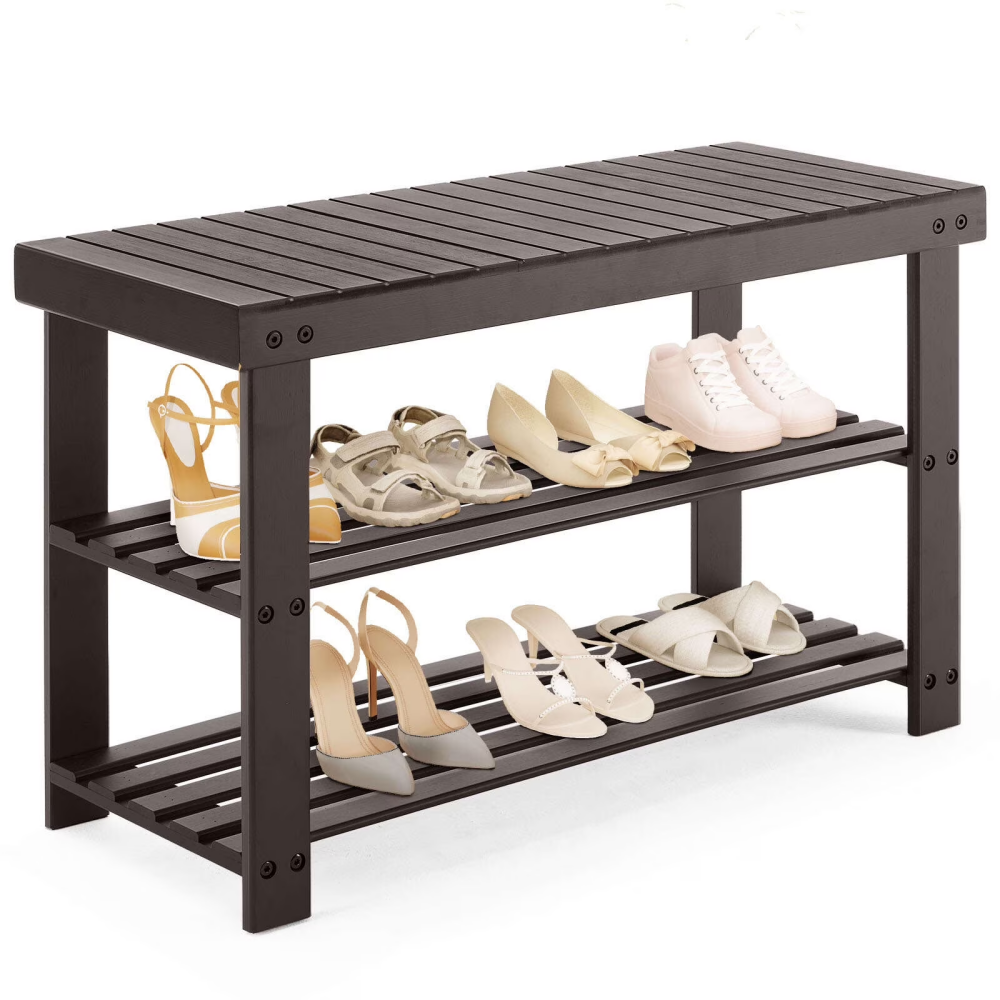
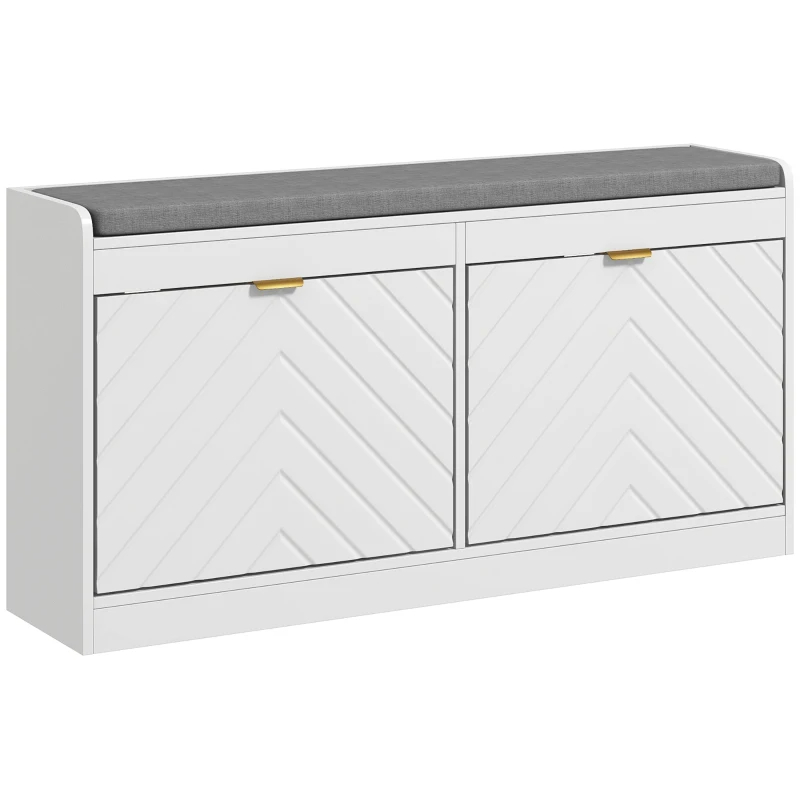
A shoe bench combines seating, shoe storage, and entryway organization in one footprint, so the core trade-off is open-rack accessibility versus concealed-capacity tidiness. Durable benches use solid wood, bamboo, or powder-coated steel frames with anti-topple hardware and weight ratings at or above 250 lb; compromises rely on thin MDF, plastic connectors, or fabric drawers that sag. Choose open tiers for quick-dry everyday shoes, flip-door or cabinet models for hidden clutter, and always match bench length to your wall and shoe count.

Buying guide image
Shoe Storage & Display

Shoe Shelf

A shoe shelf is a dedicated storage or display unit—freestanding rack, wall-mounted rail, stackable tier, bench, or cabinet—whose job is to keep footwear organized and accessible without sagging, wobbling, or collapsing. The core trade-off is between load capacity and stability (steel tube thickness, tier bracing, wall anchoring) versus premium aesthetics (solid wood, rattan, fabric-covered doors). The decision rule: buy a metal or solid-wood tiered rack rated for the actual pair count you own and anchor it to the wall; skip thin plastic snap-together stackers or unanchored tall towers for heavy boots or household use.

Buying guide image
Shoe Storage & Display

Heavy Duty Shoe Rack

A heavy-duty shoe rack is a freestanding or wall-mounted storage system engineered to hold dense loads of footwear without sagging, wobbling, or failing at the joints. The core trade-off is between thin tubular steel or plastic shelving that flexes under load and reinforced metal frames with rated weight capacity, cross-bracing, and corrosion-resistant finishes. Choose a rack with a published per-tier load rating and welded or bolted steel construction; skip any unit that relies on snap-fit plastic connectors or lists only decorative weight claims.

Buying guide image
Shoe Storage & Display

Shoe Display

Shoe display products split into two distinct jobs: open shelving that keeps daily shoes visible and ventilated, and sealed acrylic or wood cases that protect collectible pairs from UV, dust, and handling. The core trade-off is airflow and easy access versus archival protection, and the decision rule is simple: use open racks or tiered shelves for worn footwear and sealed UV-blocking cases with mirrored or clear fronts for pairs you are preserving or showcasing.

Buying guide image
Shoe Storage & Display

Shoe Cabinet With Seat

A shoe cabinet with seat is a dual-purpose entryway unit that combines enclosed or open shoe storage with a structural seating surface, typically sized to hold 6-20 pairs while supporting an adult's seated weight. The defining trade-off is frame rigidity versus load rating: particleboard and MDF cabinets save cost but rely on cam-lock joinery and thin 12-15 mm panels, while solid-wood or welded-steel benches tolerate daily sit-down impact and 250 lb+ loads without racking. The decision rule is simple—if the bench must double as a daily seating spot, require a rated load of at least 220 lb, a seat height of 17-19 inches, and reinforced corner bracing; if it is storage-first with occasional sit-down, 15 mm engineered wood with a padded top is sufficient.

Buying guide image
Shoe Storage & Display

Shoe Cabinet With Doors

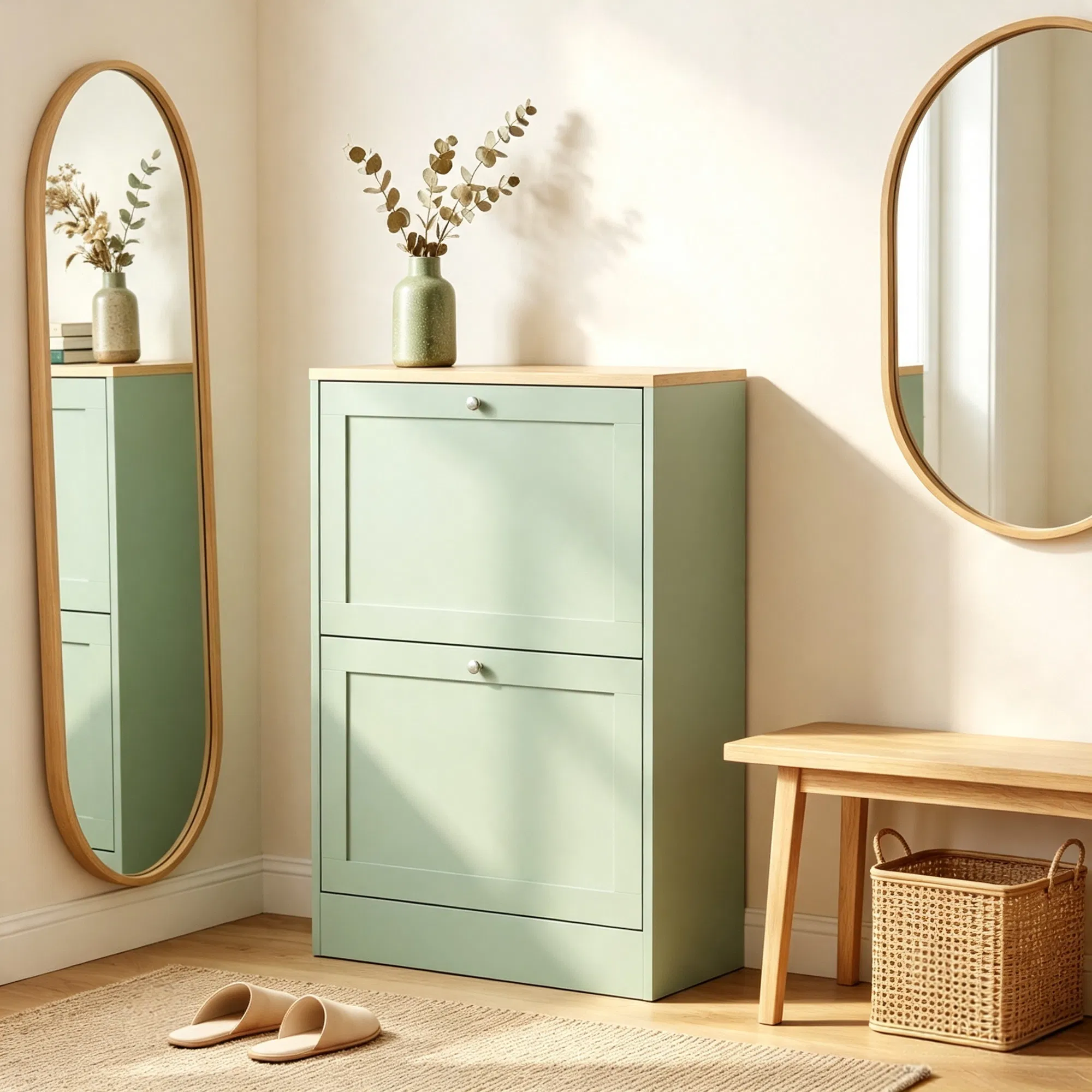
A shoe cabinet with doors is an enclosed storage unit that protects footwear from dust and sight, available in engineered wood, metal, plastic, and fabric-covered tiers. The primary trade-off is door mechanism and panel construction: solid hinged or flip-down doors on 15mm+ engineered wood last years, while fabric roll-fronts and thin plastic doors sag and tear. Choose rigid framed doors with metal hinges for daily entryway use; skip soft fabric or snap-fit plastic doors for heavy rotation.

Buying guide image
Women's Bags

Tote Bag

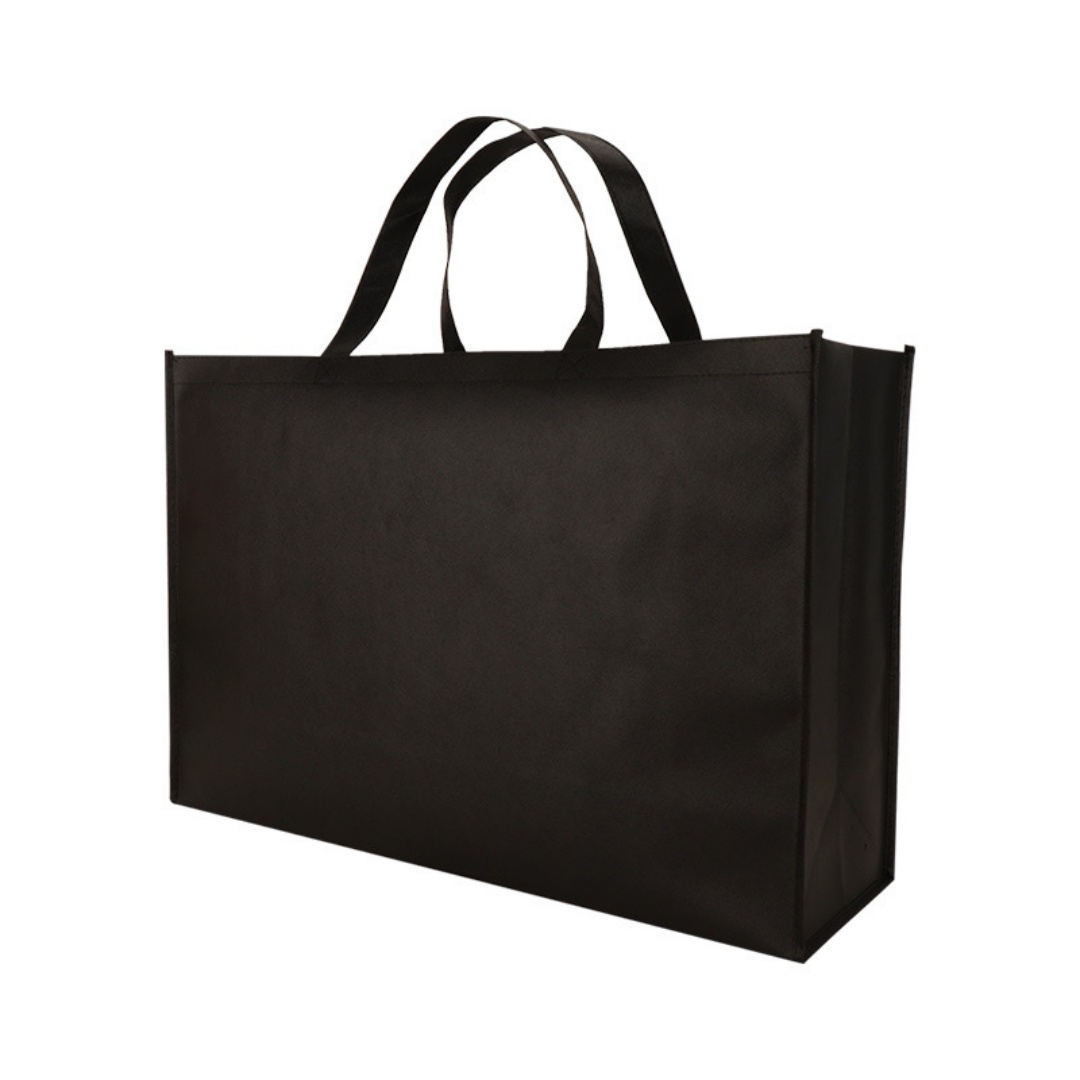
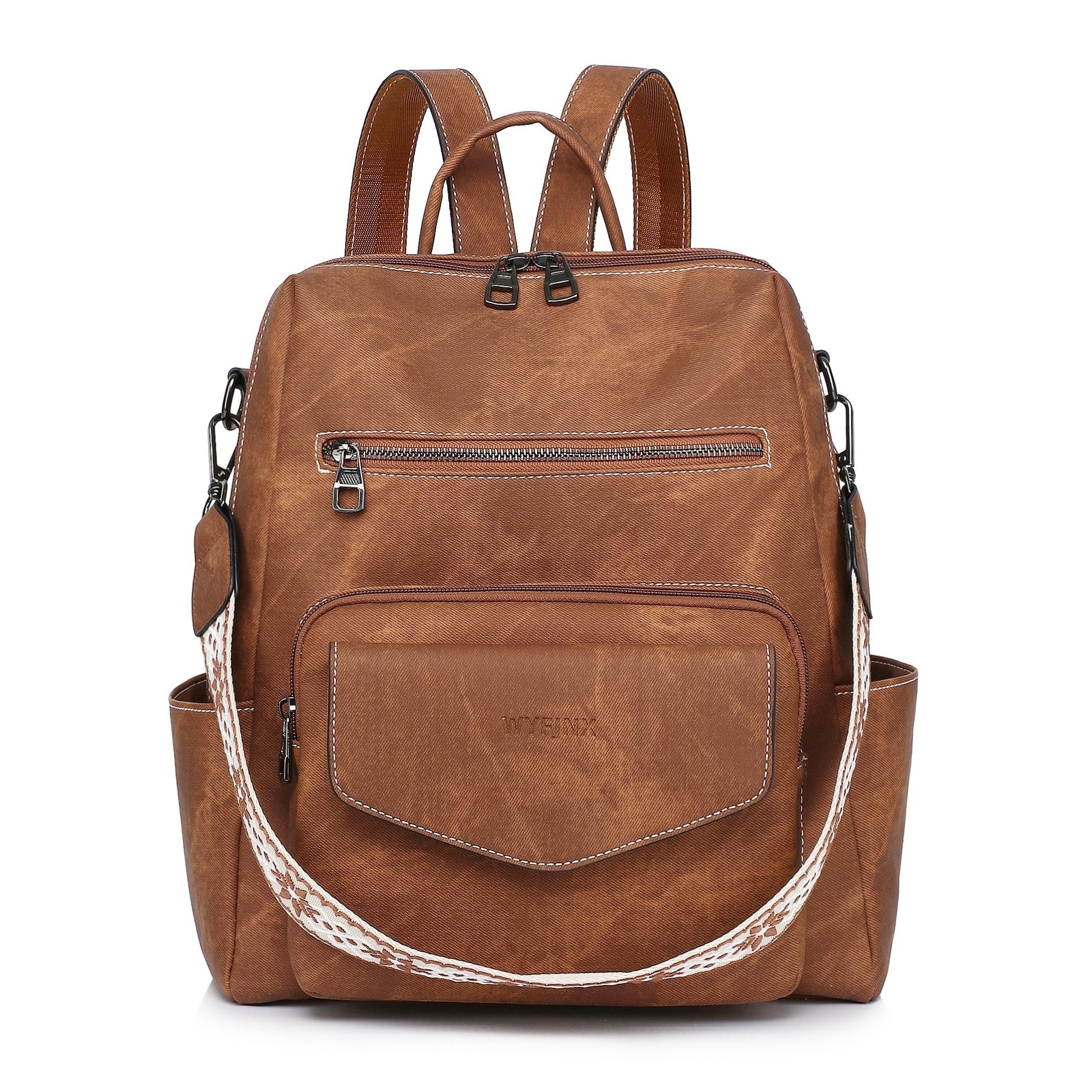
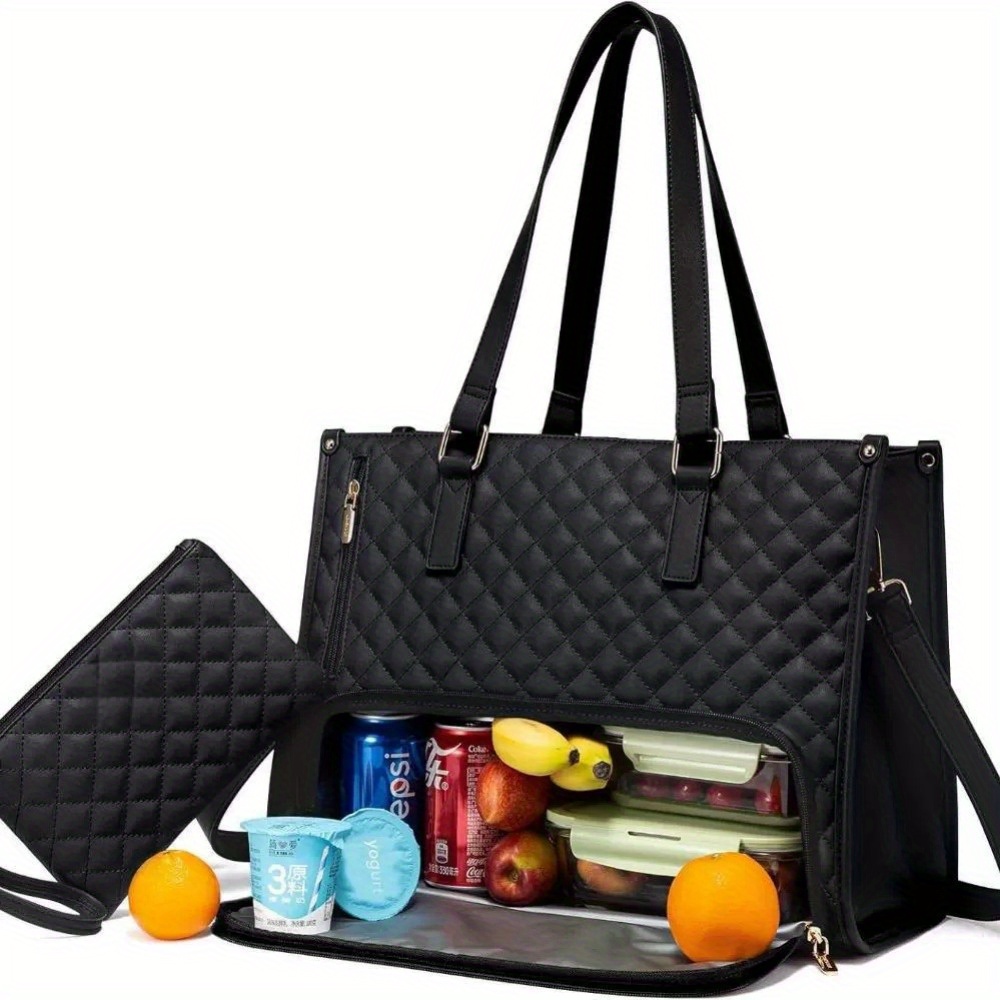
A tote bag is an open-top or zip-top carryall defined by two parallel handles and a boxy or slouchy silhouette sized for daily hauling. The core trade-off is material and construction: full-grain leather or 12oz+ cotton canvas with reinforced stitching and metal hardware lasts years, while PU leather and sub-8oz fabric fail at seams and straps within months. Buy leather or heavyweight canvas with riveted or box-X strap anchors for work and daily use; reserve PU, thin cotton, and printed novelties for light, occasional carrying.

Buying guide image
Wallets & Belts

Wallet

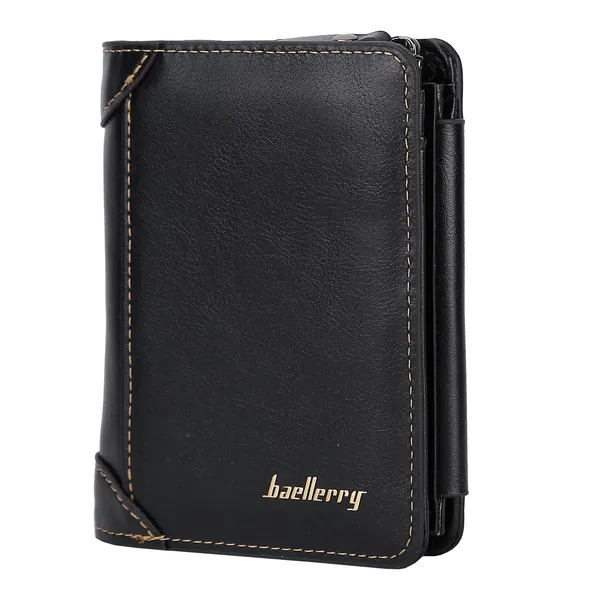
A wallet is a daily-carry organizer whose durability hinges on leather grade or synthetic construction and whose usability hinges on fold architecture and card capacity. The core trade-off is slim RFID-blocking metal or leather cardholders versus full-size bifold and trifold leather organizers that hold cash and cards. Buy full-grain leather or rigid aluminum for multi-year wear; skip bonded leather, PU plastic, and unlined fabric wallets that crack or fray within a year.

Buying guide image
Women's Bags

Purse

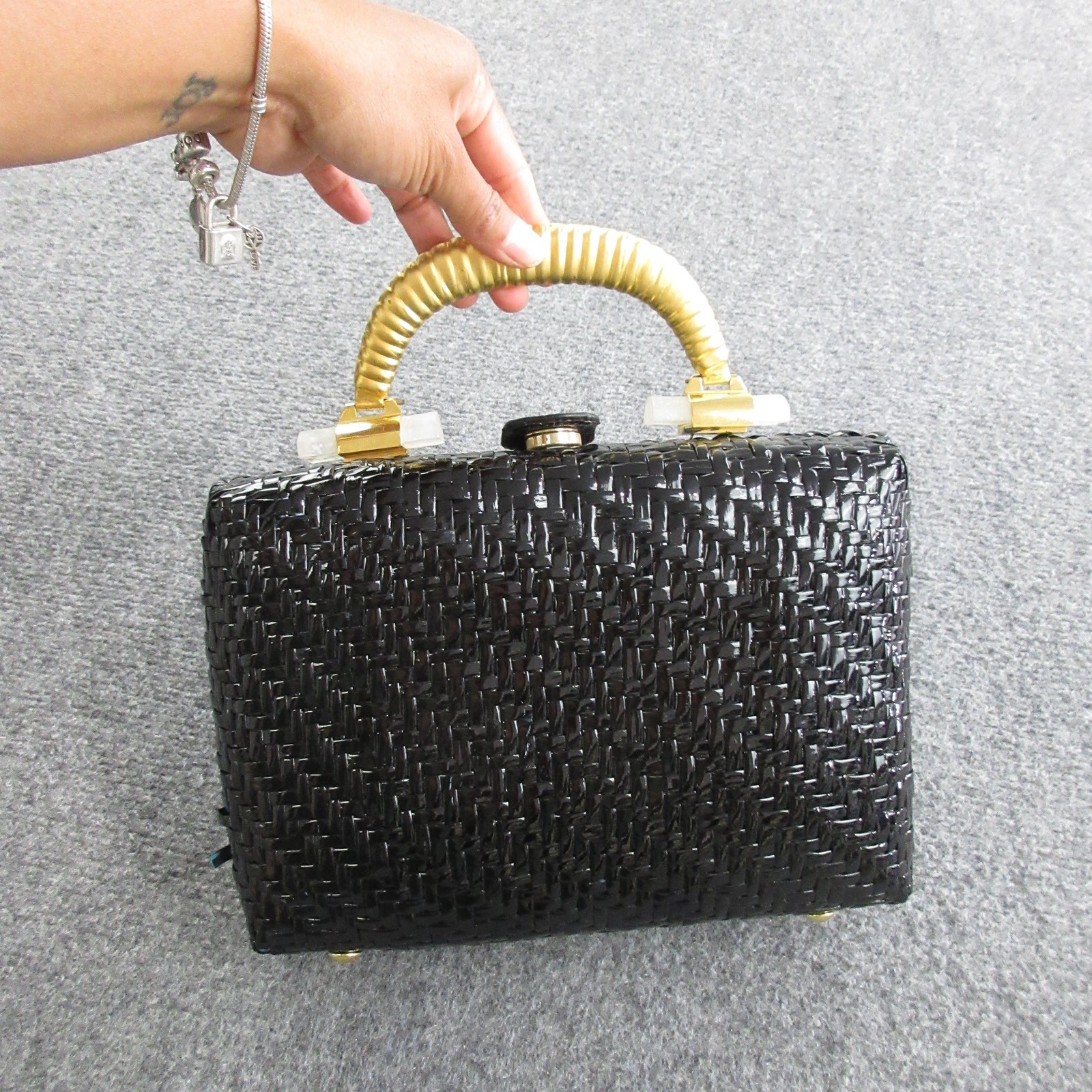
A purse is a structured or soft-sided women's carry bag defined by its closure system, strap configuration, and lining durability. The core trade-off is between full-grain leather construction (ages well but heavy and costly) and coated fabric or PU (light and affordable but delaminates). Buy full-grain or top-grain leather with welted or reinforced stress points for daily use; choose coated canvas or nylon only for stadium-clear or lightweight travel scenarios.

Buying guide image
Women's Bags

Handbag

A handbag is a structured or soft-body carryall defined by material grade, closure architecture, and strap geometry, not by trend styling. The core trade-off is between full-grain leather durability with weight and cost versus coated fabric or PU lightness with limited abrasion life. Choose full-grain or top-grain leather with metal hardware and reinforced strap anchors for daily durability; treat unbranded PU and plastic-shell bags as occasional-use options.

Buying guide image
Women's Bags

Crossbody Bag

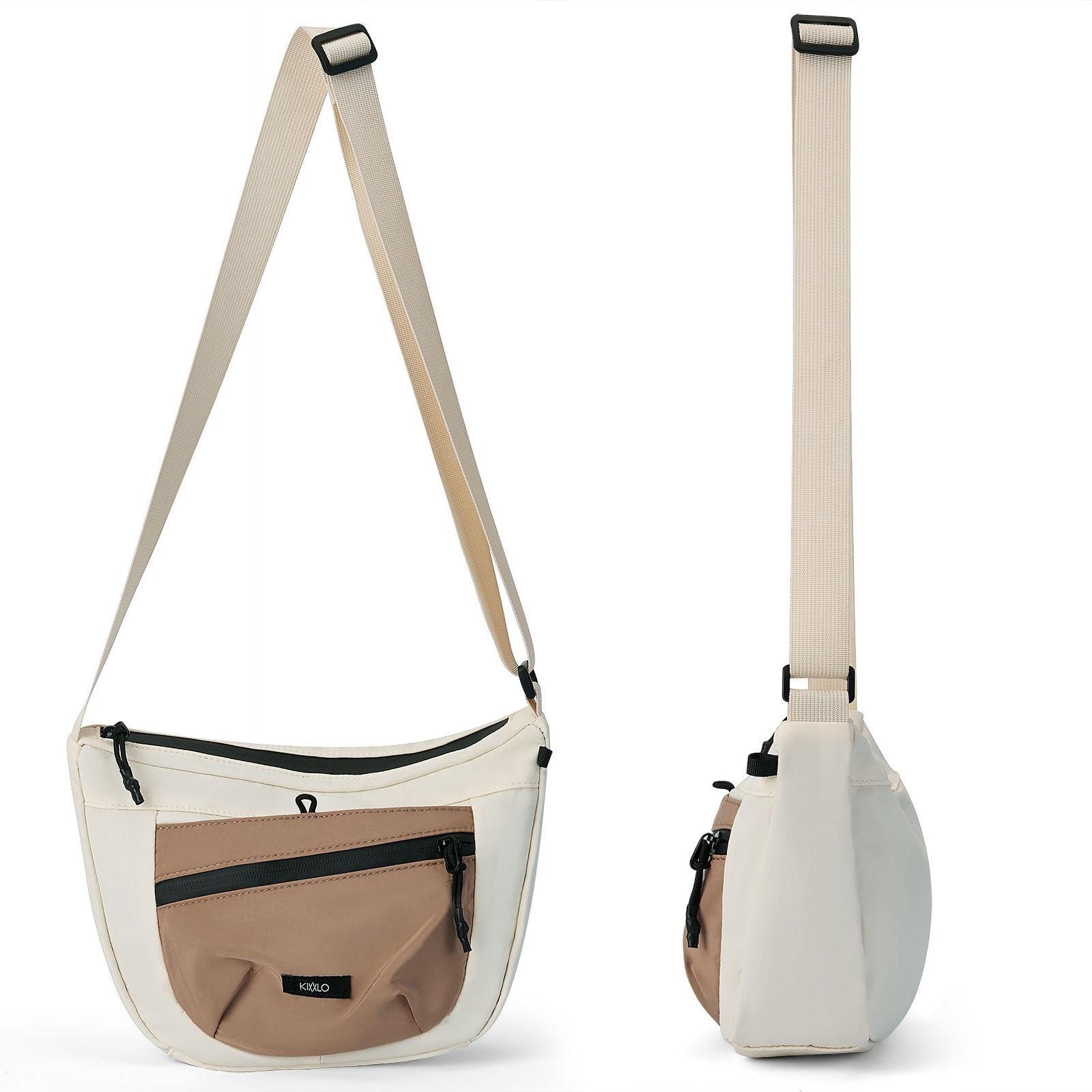
A crossbody bag is a strap-supported shoulder bag engineered to keep hands free while distributing weight diagonally across the torso, balancing strap-drop geometry, closure security, and material durability. The core trade-off is between lightweight packable fabric or vegan leather and heavier full-grain leather that resists abrasion but adds ounces. Buy a crossbody with reinforced strap anchors, a metal zipper or turn-lock closure, and an adjustable strap spanning your torso; skip thin single-stitch strap loops and open-top magnetic flaps for travel or daily carry.

Buying guide image
Women's Clothing

Sweater

A women's sweater is a knitted pullover or cardigan where the fiber blend and knit gauge decide warmth, shape retention, and pilling resistance. The core trade-off is natural-fiber softness and breathability versus synthetic durability and easy care. Rule: choose wool or cotton-rich knits at a tight gauge for longevity, and treat loose, low-gauge acrylic blends as fast-fashion layers.

Buying guide image
Women's Bags

Large Tote Bag

A large tote bag is a carry-all defined by usable volume—typically 15 to 25 liters—and a shoulder strap drop long enough to clear a winter coat. The core trade-off is structured support versus packable weight: rigid leather and reinforced bases hold shape and heavy loads but add grams, while nylon, canvas, and PVC collapse flat and resist weather but sag without internal organization. The decision rule: choose a bag whose base panel and strap anchors are reinforced and whose material matches your load weight and climate—skip any tote with single-stitch strap attachments or unlined thin fabric if you carry a laptop daily.

Buying guide image
Shoe Storage & Display

Shoe Storage Bench With Cushion

A shoe storage bench with cushion combines a padded seat for changing shoes with enclosed or open storage, and the core trade-off is frame rigidity and cushion density versus storage access style (open shelves, flip drawers, or doors). Durable options use solid or engineered wood with reinforced joinery and high-density foam; compromises rely on thin MDF, low-density padding, and wire-thin metal racks.

Buying guide image
Women's Clothing

Jeans

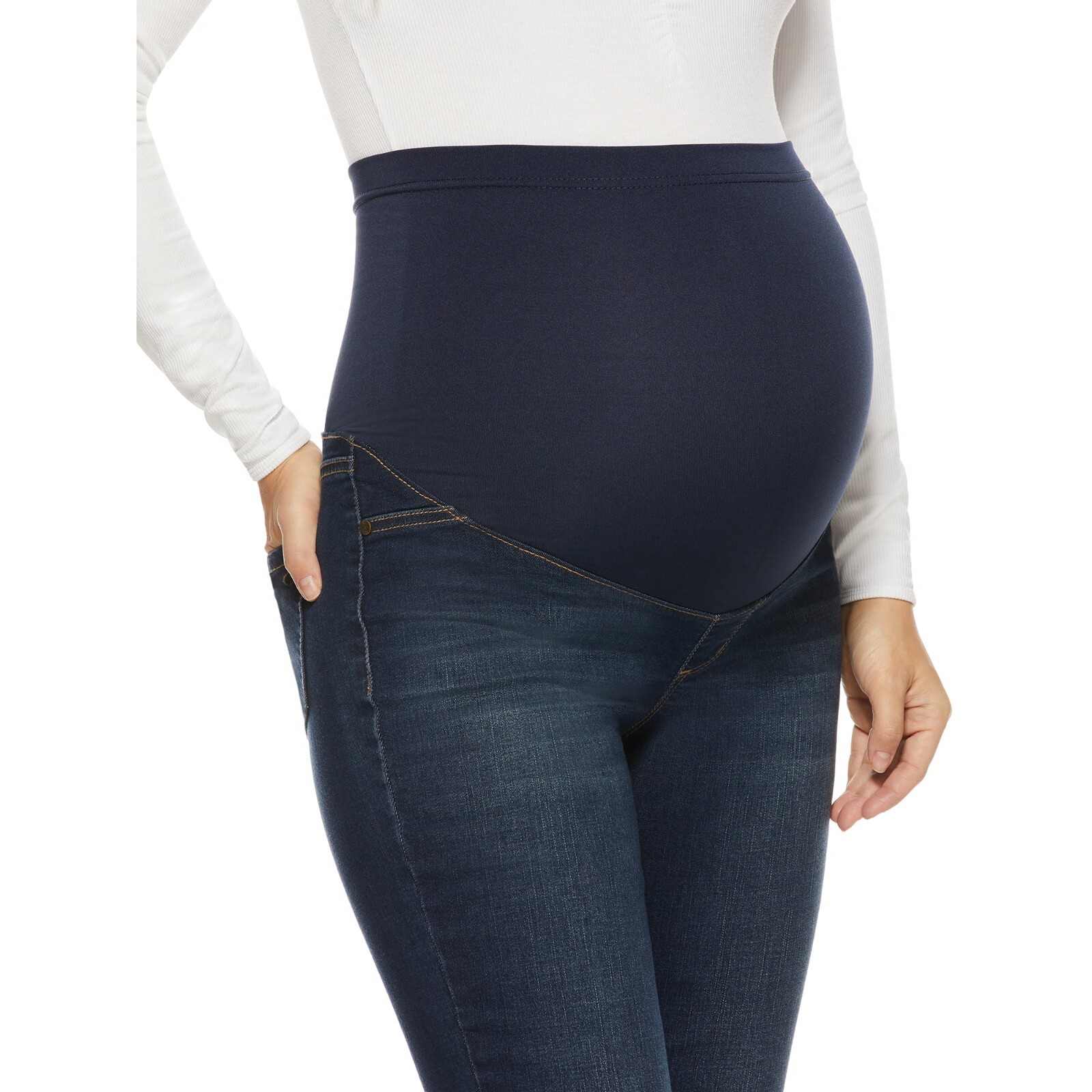
Jeans shopping online fails most often on rise, fabric recovery, and vanity sizing rather than color or wash. The same stated size can fit three different ways across rigid 100% cotton, 2% spandex stretch, and polyester-blend blends. Nail your rise and fabric first, then dial in wash and leg opening.

You may also like

Finding more guides for you…