CarryField Guide

CarryField Guide

Fashion, Bags & Luggage Reviews & Buying Guides

Compare fashion, bags & luggage by use case, features, trade-offs, price, returns, and seller terms before you buy.

Buying guides

Buying guide image
Women's Clothing

Blue Jeans

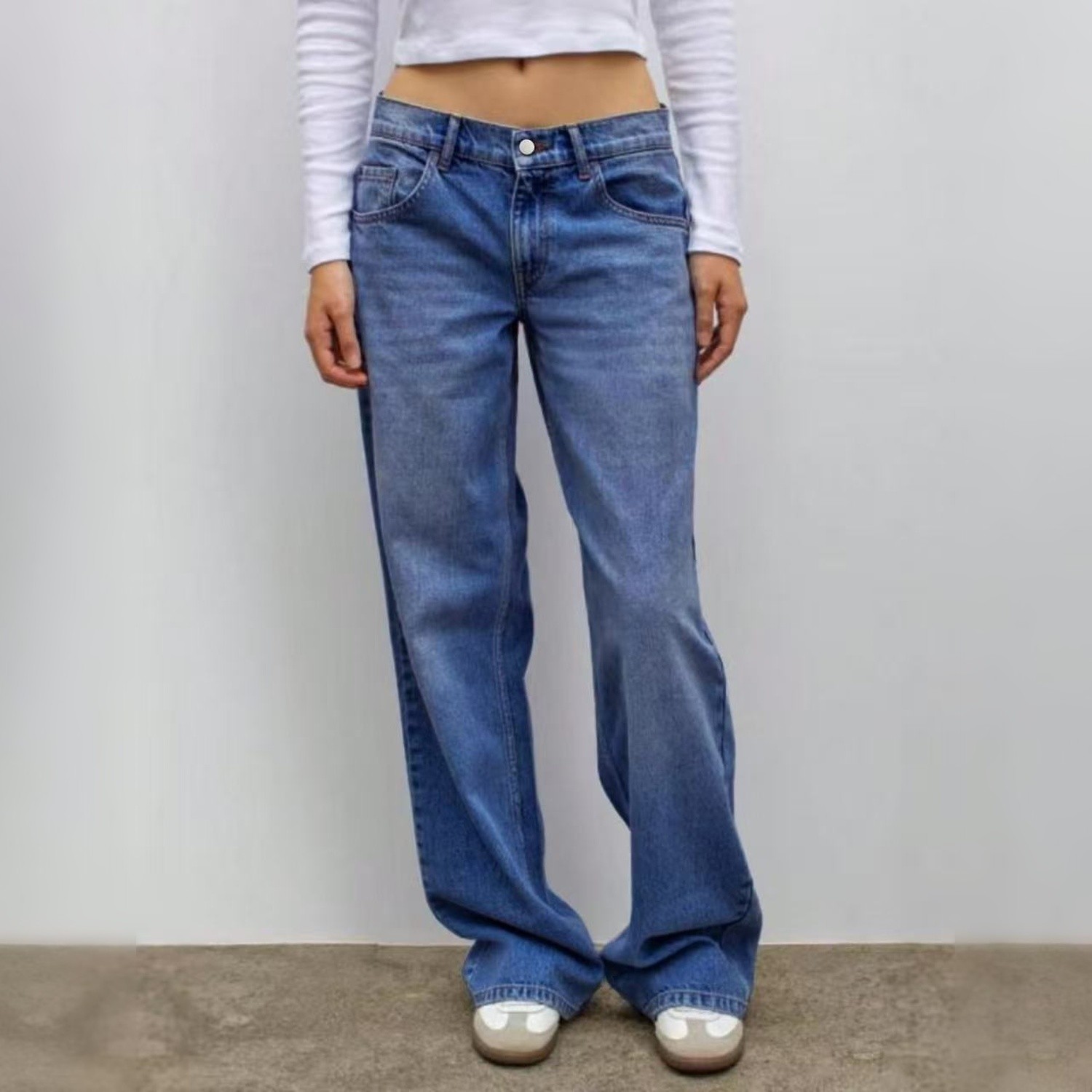
Blue jeans are the hardest-working piece in a wardrobe, but fit depends on rise, fabric recovery, and inseam—not vanity sizing. Most shoppers buy by label size and end up with bagging knees, gaping waistbands, or a rise that fights their torso. Nail three measurements before choosing a cut, and denim becomes a decade-long purchase instead of a rotation item.
Buying guide image
Carry-On Backpacks & Bags

Carry On Backpack

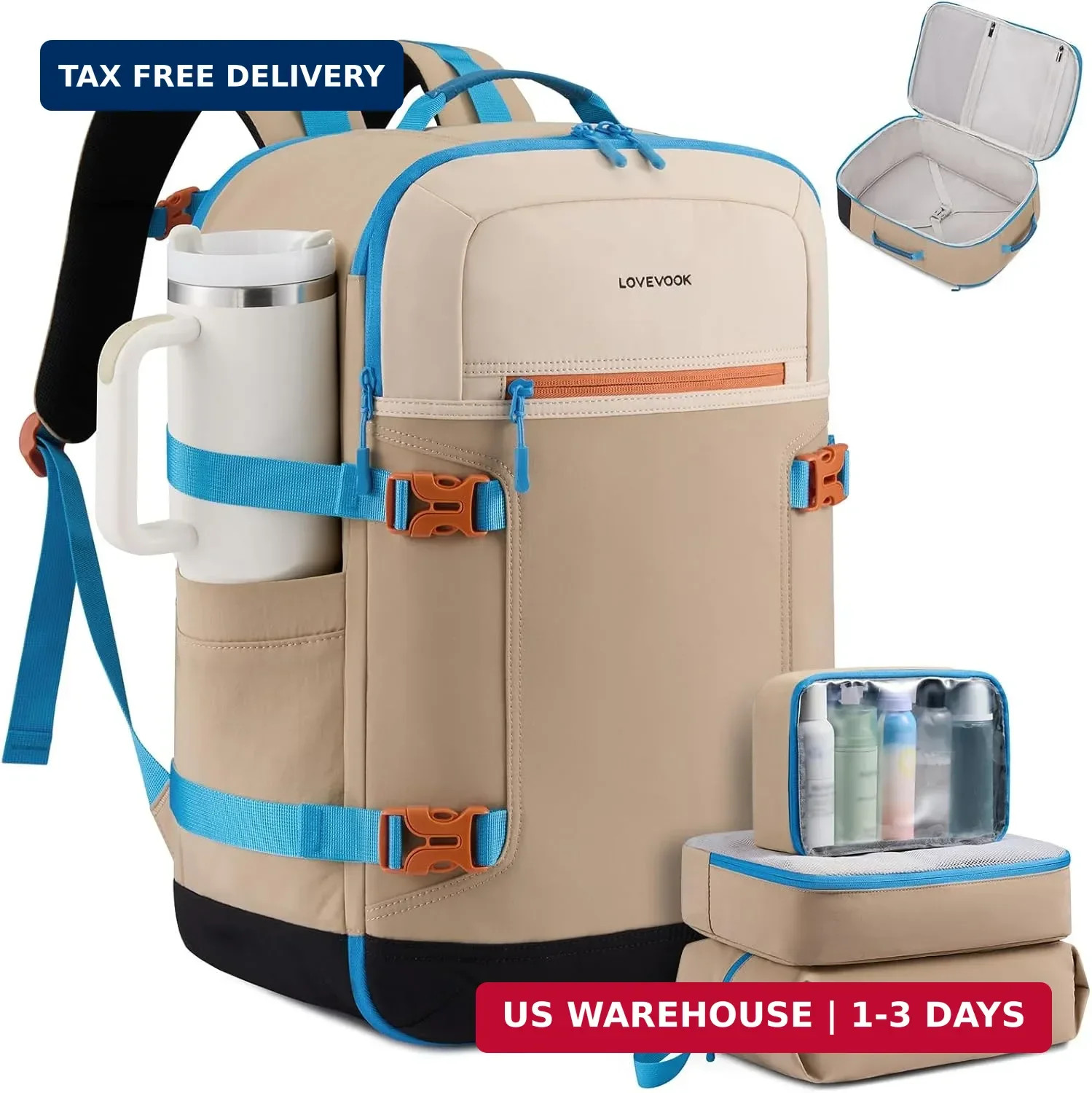
A carry-on backpack is a soft-sided travel pack sized to meet airline cabin limits, so the core trade-off is capacity versus strict dimensional compliance and harness comfort under load. Durable options use locked-off dimensions (usually 22 x 14 x 9 in), high-denier fabric (600D-1680D), and load-bearing hip belts; compromises flex past sizer frames or use thin 200D shells. The decision rule: buy a pack whose unexpanded dimensions clear your airline's sizer and whose suspension carries the load—everything else is a weekender bag.

Buying guide image
Women's Clothing

Long Sleeve Long Dress

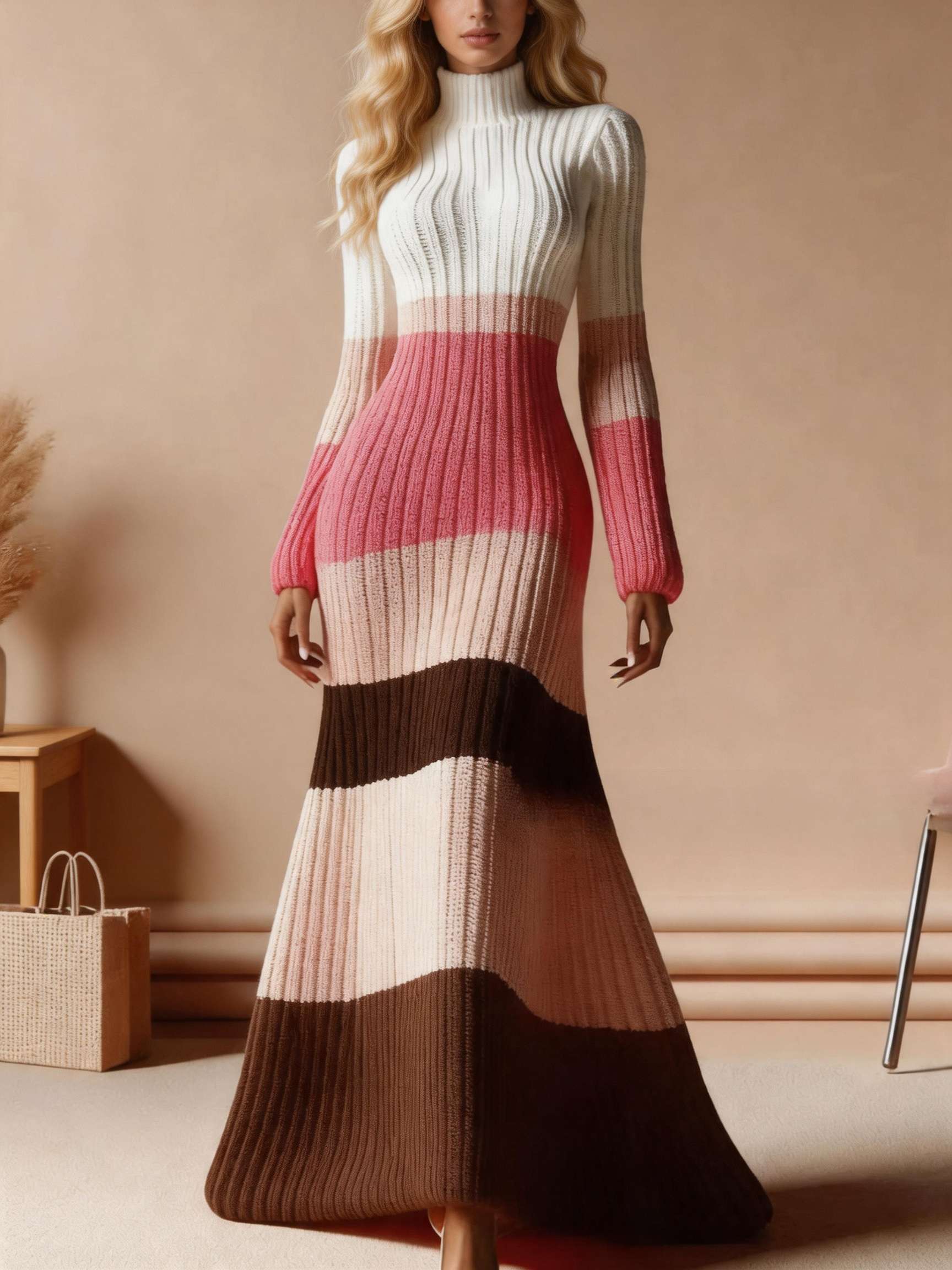
A long-sleeve long dress is a full-length, sleeved garment defined by two variables: sleeve construction and hem length. The critical trade-off is between fluid drape (viscose, crepe, jersey) for movement and structure (poplin, linen blends, ponte) for shape retention and opacity. Durable options specify fiber content and GSM; compromises hide behind vague 'premium blend' language and unlined lightweight knits.

Buying guide image
Carry-On Backpacks & Bags

Carry On Backpack With Wheels

A wheeled carry-on backpack has to satisfy two conflicting jobs: roll like luggage when the load gets heavy, and carry like a pack when stairs or cobblestones appear. The make-or-break details are the harness system (how the shoulder straps stow and whether there is a real hip belt), the wheel architecture (inline skate wheels vs. spinner casters), and whether the bag meets the common 22 x 14 x 9 in carry-on envelope. Buyers most often go wrong by picking a 40L+ expandable pack with flimsy 2-wheel trolley hardware, or by assuming a padded laptop sleeve alone qualifies a bag as flight-approved.

Buying guide image
Travel Toiletry, Laundry & Security

Large Travel Cosmetic Bag

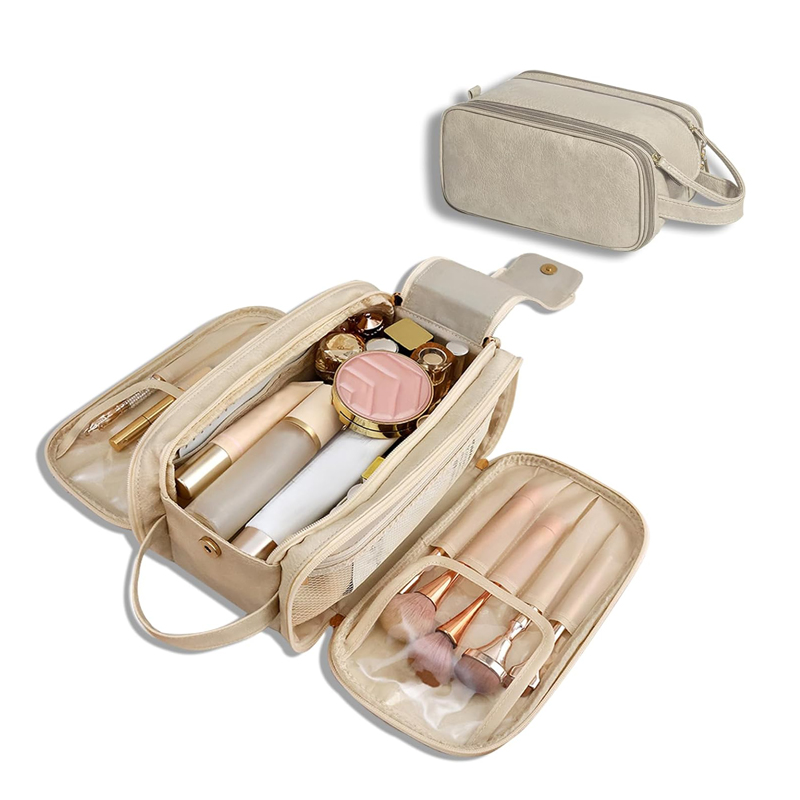
A large travel cosmetic bag is a soft-sided organizer sized to carry full-size toiletries, skincare, and makeup in one packable unit. The core trade-off is between structured, wipe-clean shells (PU leather, coated nylon) that protect and clean easily versus lightweight fabric pouches that pack flat but sag and absorb spills. Choose a bag with a water-resistant lining, reinforced stitching at handle and zipper stress points, and a wide-access opening if you carry liquids; skip thin unlined pouches for checked or overhead-bin travel.

Buying guide image
Shoe Storage & Display

Plastic Shoe Storage

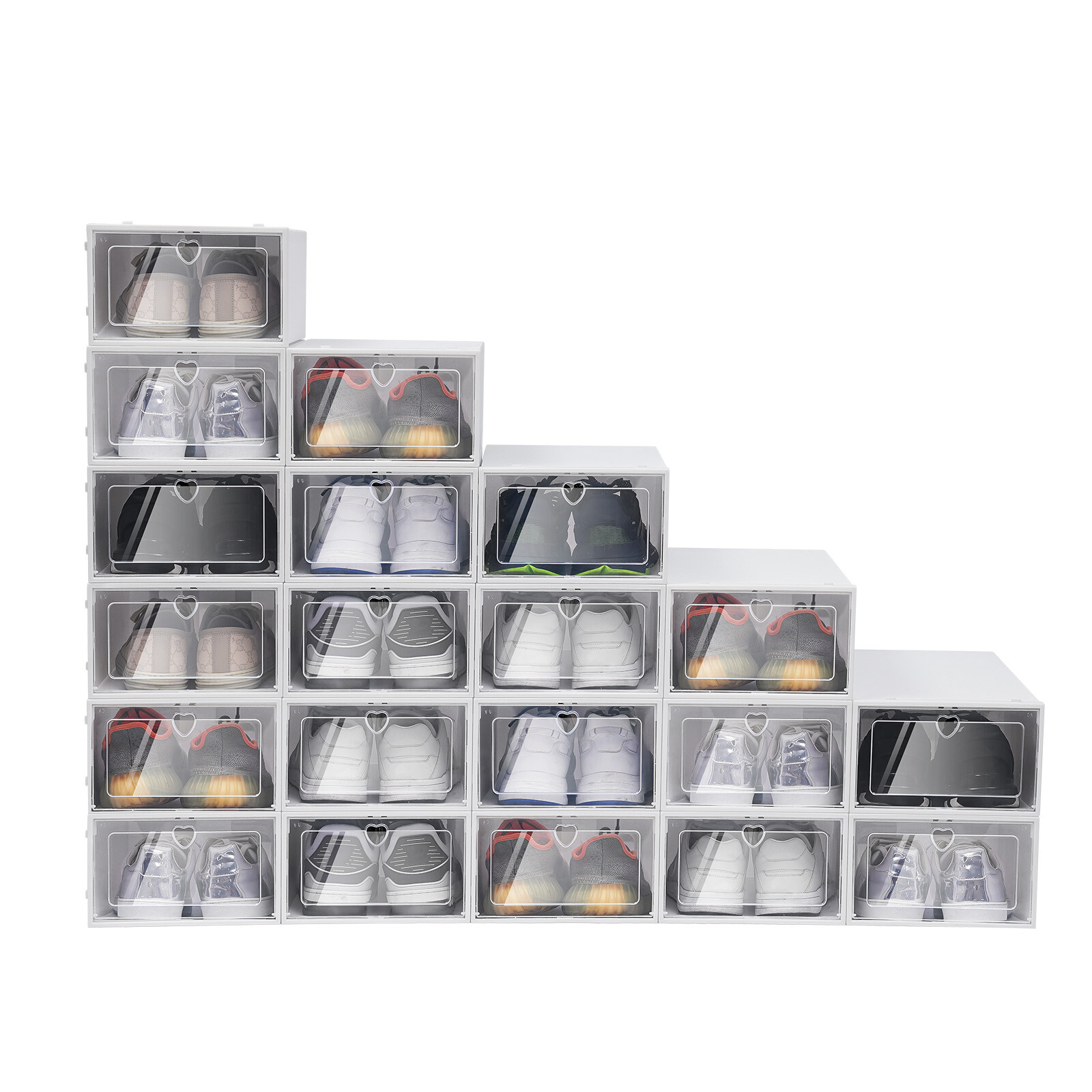
Plastic shoe storage covers stackable drop-front boxes, side-open display cases, and foldable tiered cabinets that protect footwear from dust while keeping it visible. The core trade-off is polymer quality and wall thickness: thin PP or recycled blends crack at snap joints and yellow under UV, while virgin PP/ABS with reinforced corners and interlocking tops supports real stacking loads. Buy rigid virgin-polymer boxes with positive stacking clips if you need long-term stacking; skip soft foldable fabric-backed or thin snap-together units for heavy boots or tall shelves.

Buying guide image
Shoe Storage & Display

Slim Shoe Cabinet

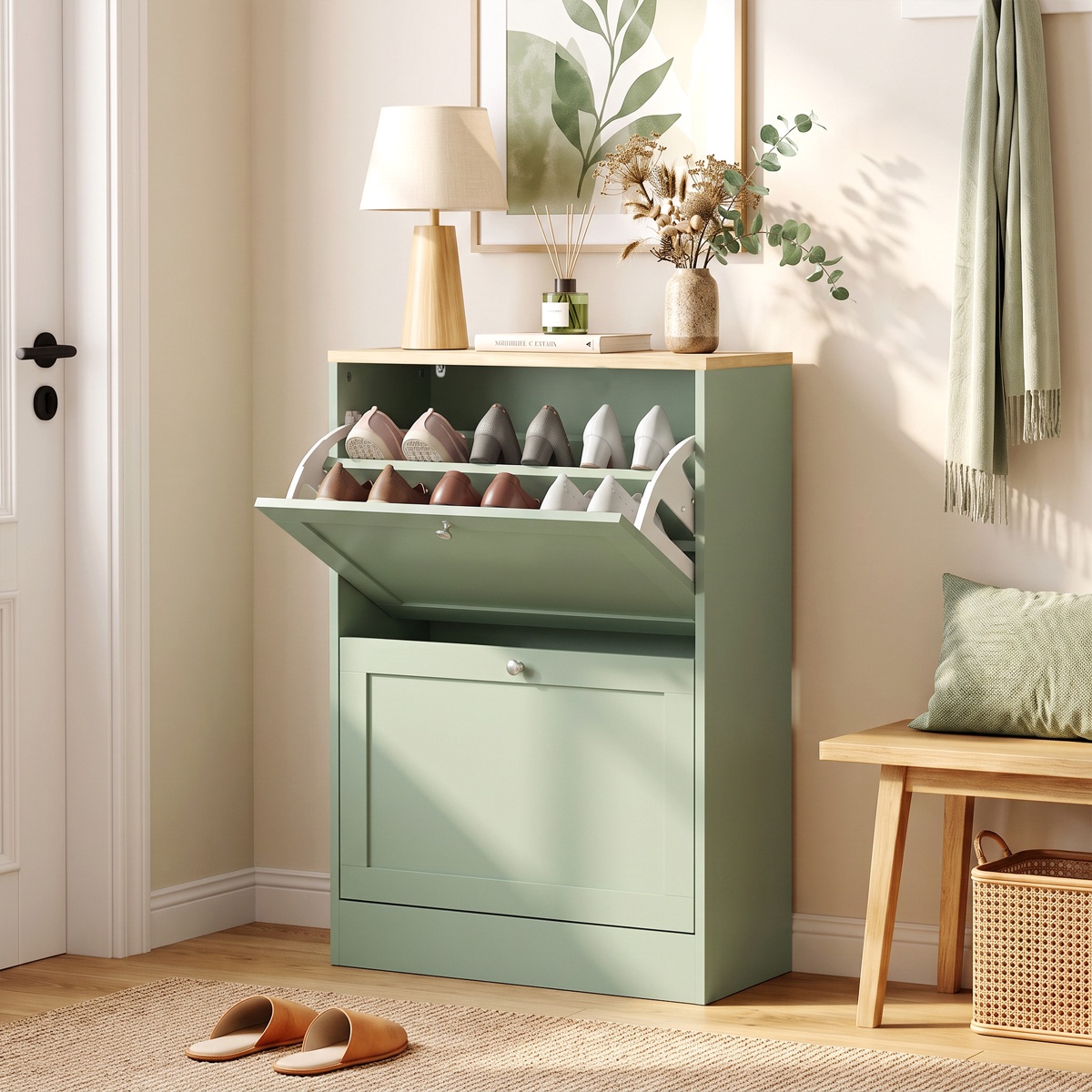
A slim shoe cabinet is a shallow-depth (typically 9–12 inches) freestanding or wall-anchored unit with flip-down drawers or tilt-out compartments, designed to fit narrow hallways while hiding footwear behind doors. The core trade-off is depth and drawer mechanism quality: particleboard units with plastic hinges wobble and sag, while MDF or solid-wood frames with metal hinge plates and tip-over restraints stay aligned for years. The decision rule: buy only if the unit specifies a metal tilt-hinge mechanism, a tip-over restraint, and an adjustable shelf system—skip any cabinet that lists only 'wood' with no panel grade or hinge spec.

Buying guide image
Women's Clothing

Maxi Dress

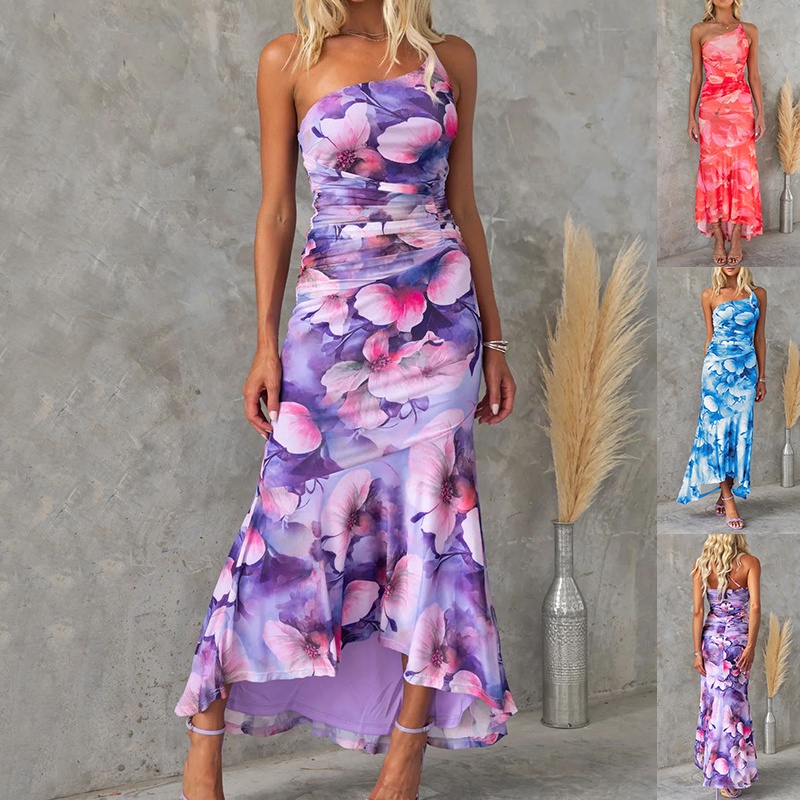
A maxi dress is a full-length women's dress, typically hemming at the ankle or floor, where fabric type and body-proportion grading determine whether it drapes cleanly or bunches at the hem. The core trade-off is knit jersey stretch-and-comfort versus woven satin/chiffon structure-and-formality, paired with accurate petite/standard/tall length grading. The decision rule: buy knit for casual, packable, or maternity-friendly wear; buy lined woven for weddings, evening, or formal events; never accept a one-size length claim without a stated hem measurement.

Buying guide image
Packing Cubes & Organizers

Packing Cube

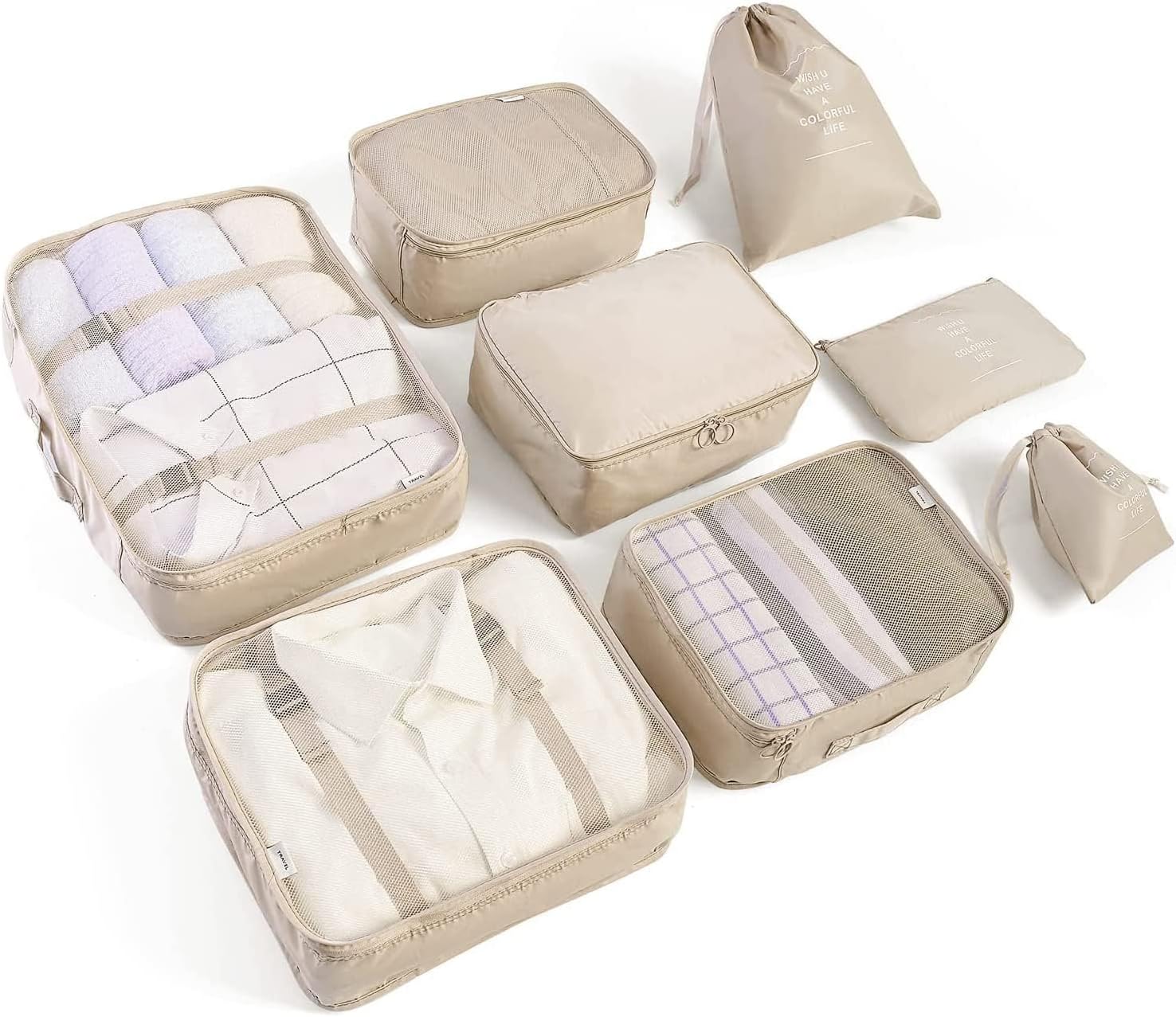
Packing cubes are fabric organizer pouches that compartmentalize luggage, and the core trade-off is between lightweight nylon/polyester sets that add little weight and structured compression cubes that save space but add hardware and stiffness. The decisive rule: buy flat zipper cubes for carry-on organization and cube-count flexibility, but upgrade to double-zipper compression cubes only if you need to shrink soft bulky clothing by roughly a third.

Buying guide image
Women's Clothing

Maxi Sundress

A maxi sundress is a full-length warm-weather dress defined by its airflow, drape, and sun coverage—not by any single silhouette. The central trade-off is fabric weight versus opacity: lightweight cotton voile and rayon feel cool but can cling or show through, while lined or heavier blends hold shape at the cost of breathability. The decision rule is simple: for everyday heat and washability, choose a cotton or rayon blend with a lined or double-layer bodice; for evening or structured looks, step up to a lined woven A-line with defined seams.

Buying guide image
Women's Clothing

Long Summer Dress

A long summer dress is a maxi or midi-length garment cut from lightweight woven or knit fabric, where the primary trade-off is breathability and drape versus opacity, structure, and longevity. The decisive rule: choose natural or cellulose fibers (cotton, linen, viscose) at 110–160 GSM for heat, and only accept polyester when it is crepe-textured, lined, or blended above 30% natural fiber.

Buying guide image
Women's Clothing

Maxi Dress With Sleeves

A maxi dress with sleeves is a full-length garment where sleeve construction and fabric weight determine whether it works as a year-round staple or a single-season compromise. The core trade-off is between lightweight breathable knits (summer/vacation, short or flutter sleeves) and structured woven fabrics with long sleeves (fall/winter, formal or modest coverage). The decision rule: match sleeve length and fabric GSM to your primary season and occasion—lightweight short-sleeve for warm-weather casual, mid-weight long-sleeve woven for cool-weather dressy—and avoid sleeveless-spaghetti-strap listings mislabeled as sleeve styles.

Buying guide image
Women's Bags

Travel Purse

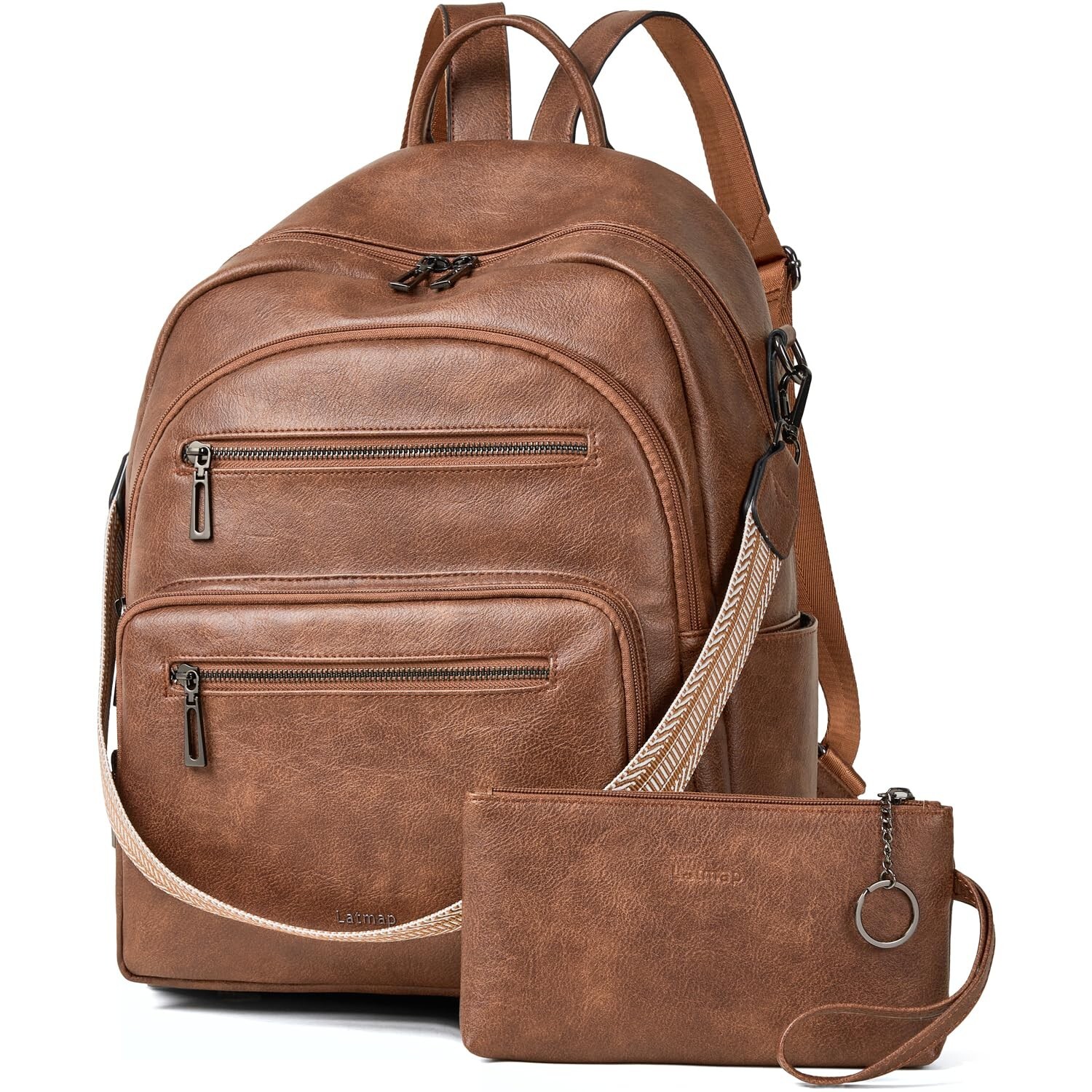
A travel purse is a carry bag engineered for transit days: it must secure passports, cards, and a phone while staying comfortable across long walks and tight seating. The core trade-off is between anti-theft hardware (locking zips, RFID-blocking linings, slash-resistant straps) and everyday flexibility (lightweight soft-sided leather or nylon that packs flat). Choose a purpose-built security crossbody or backpack purse for international transit, and a soft leather satchel for domestic road trips where weight and packability matter more than cut-resistance.

Buying guide image
Wallets & Belts

Card Holder

A card holder is a compact wallet stripped to card capacity, where the core trade-off is leather thickness and stitch quality versus RFID-blocking metal or plastic shells that add bulk. Durable options use full-grain or top-grain cowhide with reinforced stitching, while compromises rely on bonded leather or rigid metal cases with mechanical triggers that wear out. Choose leather for longevity and patina, or a pop-up metal case for speed of access and RFID security, but avoid any plastic-slot design that stretches within months.

Buying guide image
Workwear, Specialty & Vintage

Workwear

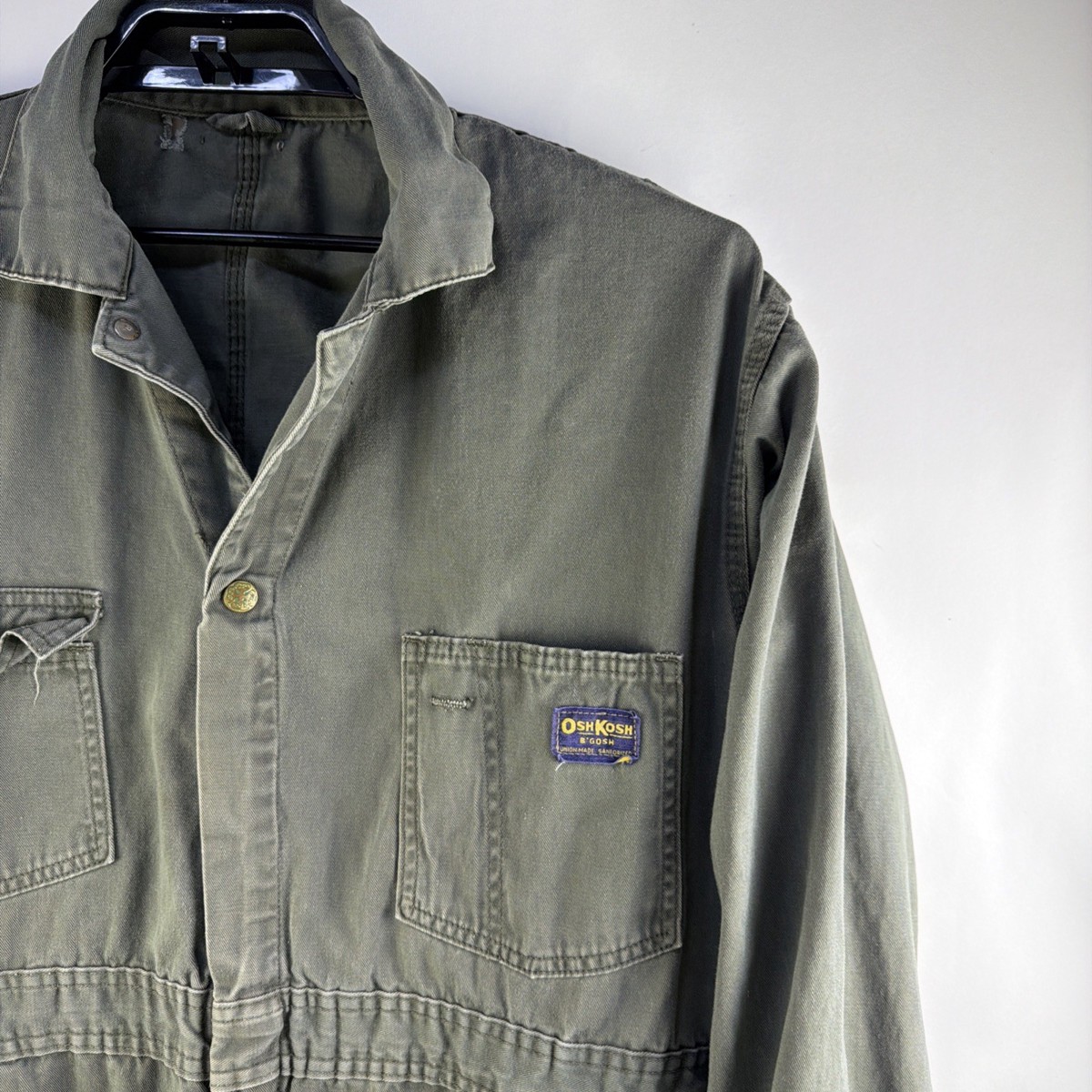
Workwear is functional clothing engineered for manual labor, defined by fabric weight (oz/yd² denim, duck canvas, or twill), seam construction, and pocket/tooling layout rather than fashion cut. The core trade-off is durable heavy-gauge cotton and reinforced stitching versus breathable lightweight blends that wear faster. Choose 10–14 oz cotton canvas or 12–14 oz raw denim for abrasion resistance; skip sub-8 oz fashion twill for real jobsite use.

Buying guide image
Women's Bags

Small Shoulder Bag

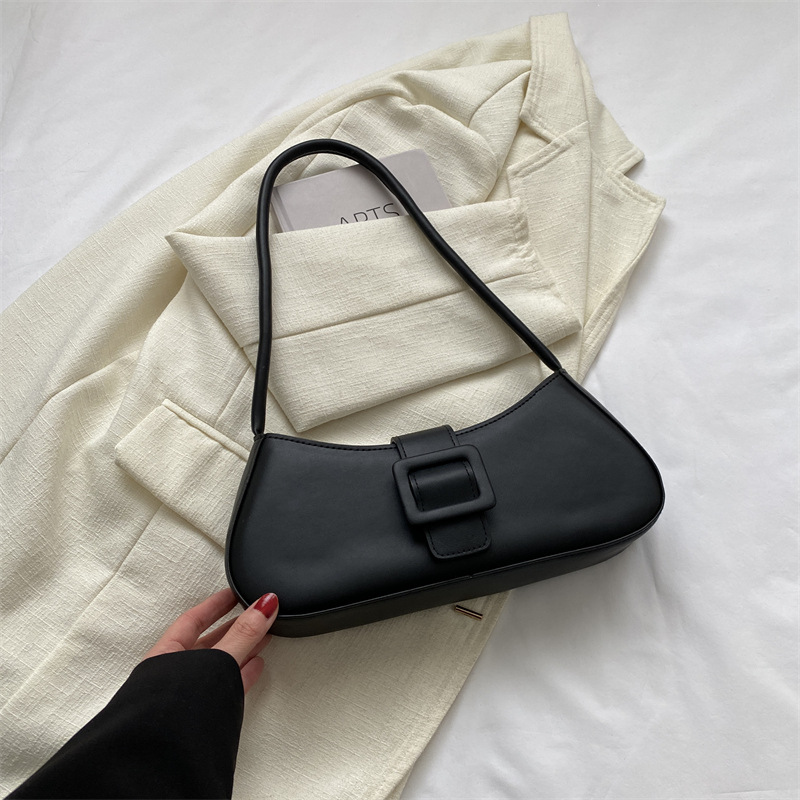
A small shoulder bag is a compact carry (roughly 8-11 in wide) worn on the shoulder or converted to crossbody, where the decisive trade-off is strap hardware and leather grade versus cost. Genuine full-grain or pebbled leather with metal-tooth zippers and reinforced strap anchors lasts years; PU/vegan leather with plastic hardware and glued straps fails at stress points first. Choose full-grain/pebbled leather with sewn-in anchor tabs and YKK-grade zippers for daily use, or accept PU only for occasional styling.

Buying guide image
Sunglasses & Eyewear

Cycling Sunglasses

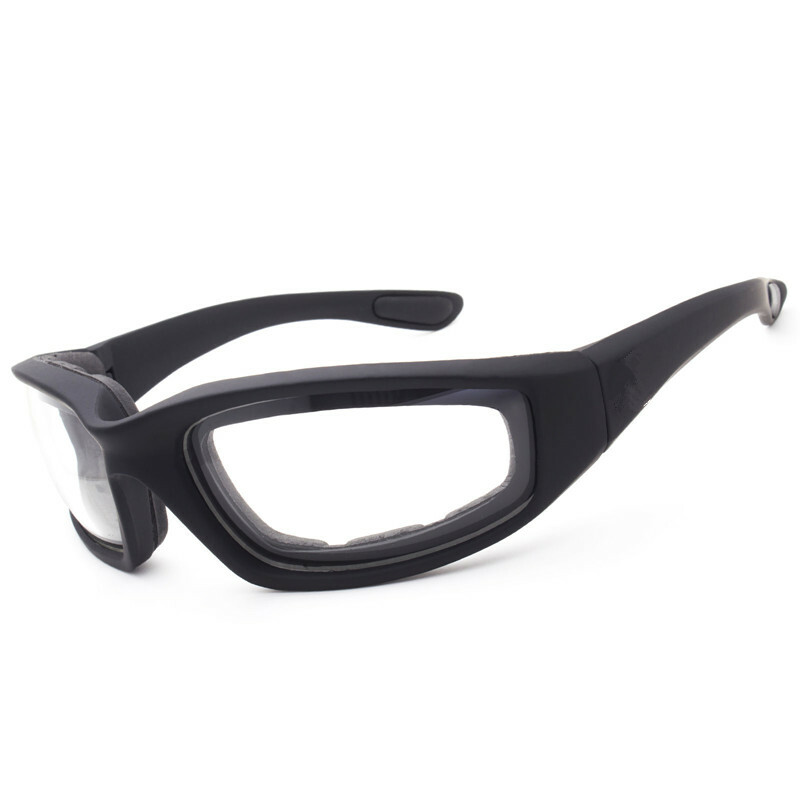
Cycling sunglasses are protective eyewear engineered to block wind, UV, and debris while maintaining a stable fit under a helmet. The primary trade-off is lens technology tier (fixed-tint, interchangeable, or photochromic) versus frame weight and ventilation—cheap frames compromise impact resistance and optical clarity. The decision rule: choose polycarbonate lenses with UV400 and a wrap-around profile for any road or trail use; skip any lens without a documented UV400 rating.

Buying guide image
Women's Clothing

Maxi Dress With Slit

A maxi dress with a slit is a floor-length dress with a deliberate leg opening engineered through the side seam, front wrap, or back hem to add mobility and visual elongation. The core trade-off is slit construction quality and fabric weight versus drape: flimsy bias-cut slits in thin polyester roll, gape, and tear, while stabilized slits in lined or heavier knits hold their line through movement. Choose a lined or double-layer slit with reinforced seam finishing for durability; skip unlined, single-stitch slits in lightweight fabric for anything beyond occasional wear.

Buying guide image
Women's Clothing

Maxi Dress With Pockets

A maxi dress with pockets combines floor-length coverage with functional storage, but the pocket type and fabric weight determine whether it survives daily wear. The core trade-off is between flimsy patch pockets on thin synthetics and reinforced inseam pockets on stable knits or wovens. Choose a dress with anchored pocket bags and a fabric weight of at least 150 GSM for durability; skip single-stitch patch pockets on lightweight polyester.

Buying guide image
Wallets & Belts

Compact Card Holder

A compact card holder is a minimalist wallet designed to carry a few cards and little else, trading capacity for a slimmer footprint. The primary trade-off is between leather or metal construction and card capacity: leather options flex but stretch, while metal or carbon-fiber options stay rigid but add bulk at the corners. The clear decision rule is to match holder thickness to your daily card count and to choose a material that resists stretching if you carry more than six cards.

You may also like

Finding more guides for you…